The proposal would require social media to prioritize government-approved media, generating criticism for possible censorship and reduced informational plurality
The UK government is evaluating a reform that would require large tech platforms to give greater visibility to media outlets deemed ''reliable'', an initiative that has sparked an intense debate about the role of the state in regulating digital information and users' freedom of choice.
The proposal, presented as part of a broad review of the British public media system, aims to require social networks and video platforms like Facebook, YouTube, and TikTok to highlight content produced by traditional broadcasters such as BBC, ITV, and Channel 4. Authorities argue that the goal is to ''strengthen access to verified information'' and combat the growing spread of fake news and misinformation online.
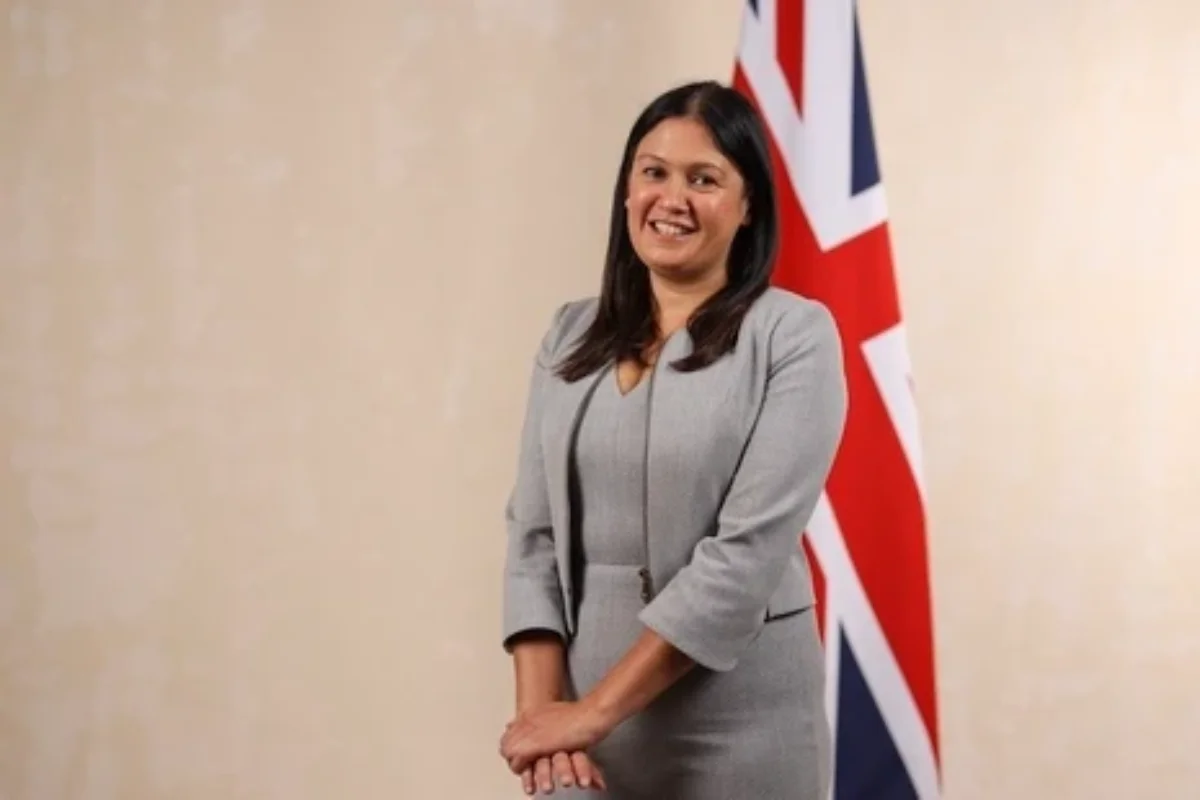
The Labour Culture Secretary, Lisa Nandy, defended the measure by stating that it is essential to ensure that citizens have access to reliable sources of information in an increasingly saturated digital environment. According to the government, the visibility of regulated media could be especially important during periods of crisis or emergency situations, when the circulation of misleading information can have significant consequences.
The UK Labour Secretary of Culture defended the lunatic measure by stating that there must be control over information forces
The initiative arises in a context where social media has become one of the main sources of news for a large part of the British population. Data from the regulator ''Ofcom'' indicates that most adults consume information through digital platforms, while among young people aged 16 to 24, that dependence is even greater. According to recent studies, a significant proportion of users have also reported encountering false or misleading information online.
However, the proposal has generated criticism from tech companies, content creators, and digital media experts. One of the main concerns revolves around the possibility of the government directly intervening in the functioning of the algorithms that determine which content appears in users' searches and recommendations.
Critics argue that requiring platforms to favor certain media could limit competition and harm independent creators, digital journalists, and new information organizations that have managed to build significant audiences without the support of traditional structures. They also warn that such regulation could alter users' ability to freely decide which content they wish to consume.
Another controversial aspect is the definition of which organizations will be considered ''reliable providers''. Although the government initially mentions public media and large journalistic groups, the open consultations by the authorities suggest that the category could be expanded to national newspapers and local media.
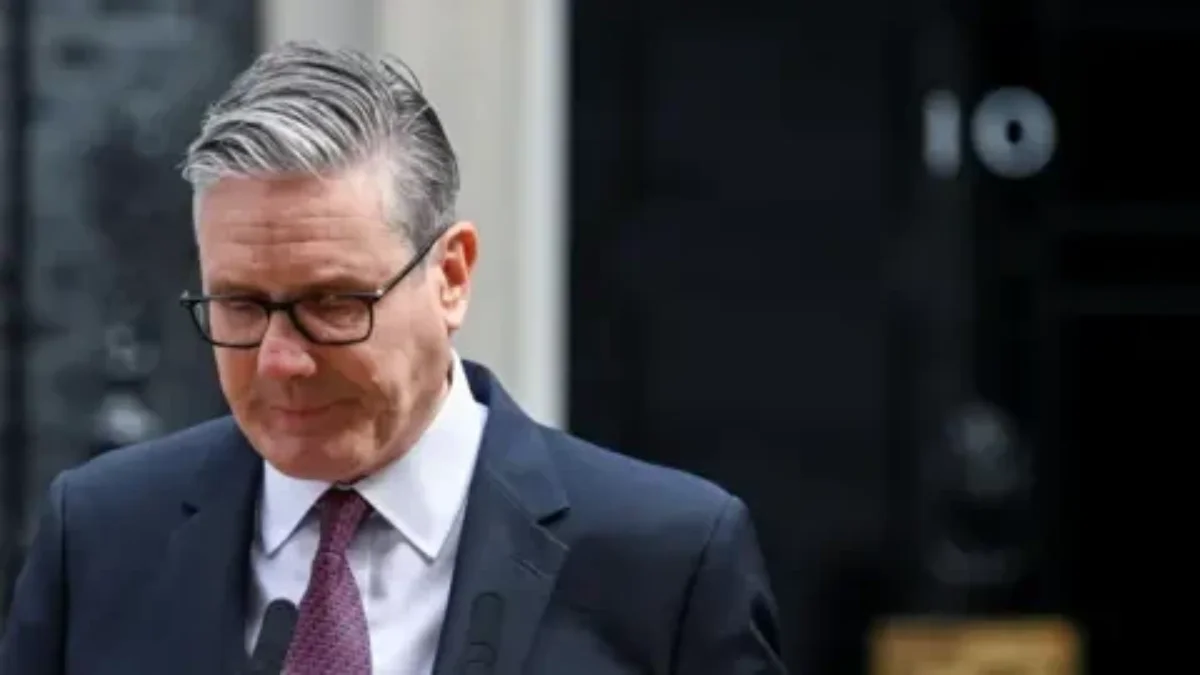
In one of Keir Starmer's latest measures, the Labour Party will seek to restrict and regulate sources of information as they see fit
For many analysts, this point raises questions about who will have the authority to determine which voices deserve special promotion and which will be excluded from that classification. Critics argue that establishing an official list of reliable media could lead to political and regulatory disputes over the neutrality of those criteria.
Tech platforms have also expressed reservations. From YouTube, they noted that the success of the creator economy is based on viewers freely choosing the content they want to watch. According to company representatives, imposing prominence rules for certain media could distort that principle and harm both users and emerging creators.
The proposal is part of a reform aimed at adapting the British audiovisual system to technological changes. Among the measures being considered are the expansion of public service status to exclusively digital providers, the protection of nationally significant sports events from potential access restrictions, and a possible transition from traditional terrestrial television to systems based entirely on internet broadcasting.
YouTube criticized the measure and stated that it will affect both digital companies and consumers