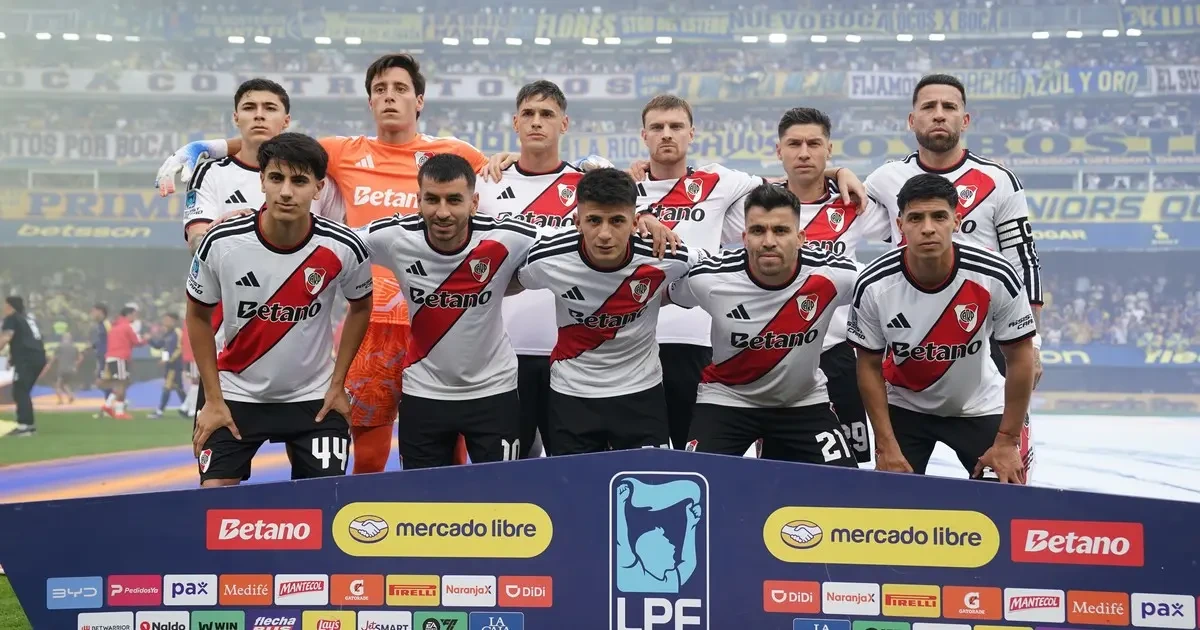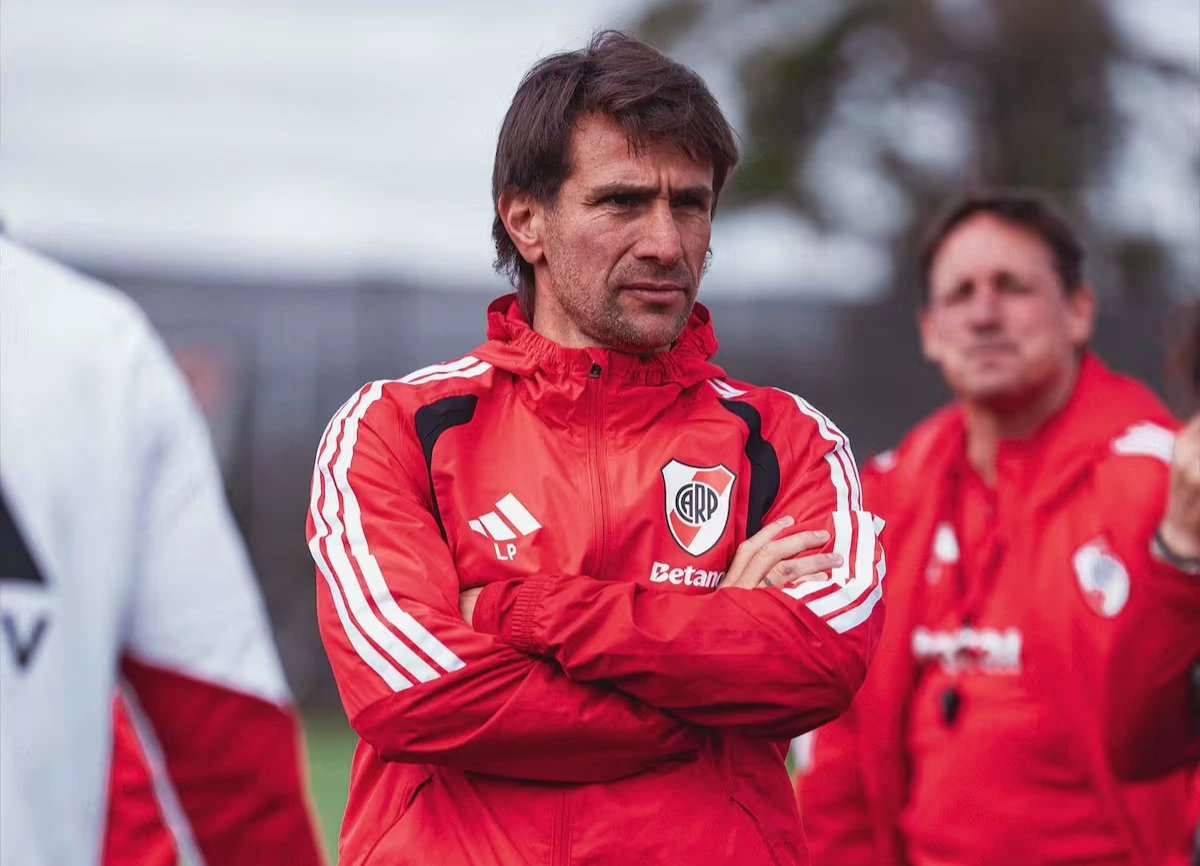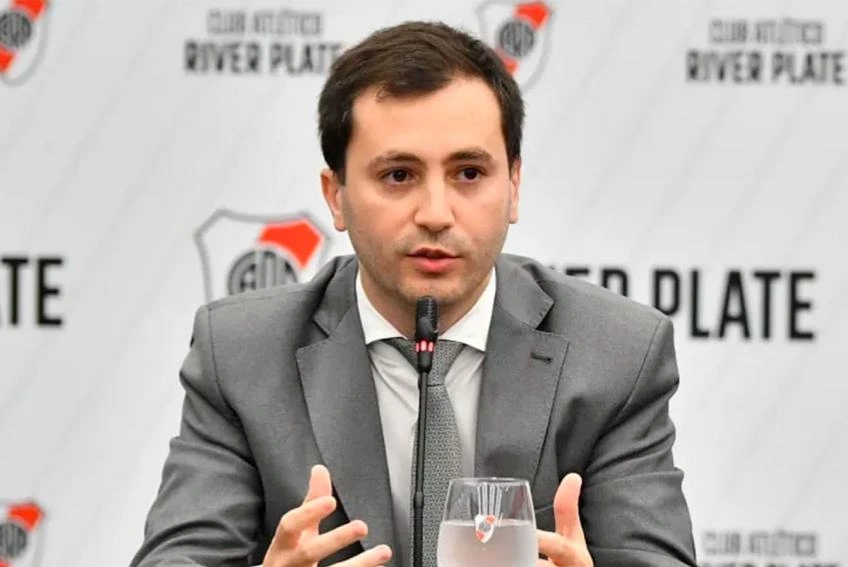

The defeat against Boca in the Superclásico highlighted a concerning footballing present at River. Beyond the controversial refereeing that marked the match, the lack of responses on the field once again put the sports project and the decisions made over the past year under scrutiny. In this context, president Stéfano Di Carlo broke the silence, made a strong self-criticism, and acknowledged that 2026 was "a very negative year" for the institution.
In an interview with ESPN F12, the official analyzed the team's performance in the classic and did not shy away from his own responsibilities. "It was a gray match, River did not shoot on goal and does not represent us", he stated. While he questioned the impact of referee Nicolás Ramírez on the match's development, he emphasized that there were mistakes the team must correct. "There is a lot of personal responsibility with a self-critical sense, although the refereeing not only (affects) what it generates but also how it predisposes the player", he explained. He added: "There is a mental aspect that plays into all of this".
In that vein, he considered that the squad must detach itself from external tensions and recover a footballing identity that allows it to turn the moment around. "We need to rid ourselves of the madness. We are talking to the players. The madness of the environment and AFA should not enter us. We must return to the River model that reestablishes and imposes itself with its football", he expressed.
Di Carlo also made a broader diagnosis of the footballing year. "Our problems were in the middle of the season, since Marcelo's departure. Then you go with Coudet and we never managed to settle in with enough time to have a coach who could imprint his style on the team", he acknowledged.
The president reviewed the decisions he made since taking office. The first was to renew Gallardo's contract, whom he defined as "the most important person in River's history". However, the coach decided to step aside at the end of February, in the midst of competition, and the management had to look for a replacement. The chosen one was Eduardo Coudet, due to his identification with the club, his experience in Argentine football, and the consensus he generated among different sectors. "With the benefit of hindsight, one reviews and that was the right decision at that moment", he noted.
The millions of dollars in investment and the squad renewal
One of the main points of his defense was related to the investment of nearly 70 million dollars that River made to renew the squad. Di Carlo explained that the outlay did not respond to an immediate need: "The famous 70 million were to build the foundation for the next three years".
In that process, the club let go of 17 players from a group of 35 and brought in nine. He also highlighted that five or six of the reinforcements became starters and did not come just to complete the squad. "There was a need to intervene aggressively to achieve a qualitative improvement", he argued. Nevertheless, he acknowledged that assembling the team took longer than expected. "When you bring in true quality, the operations take longer and the process becomes extended", he explained.