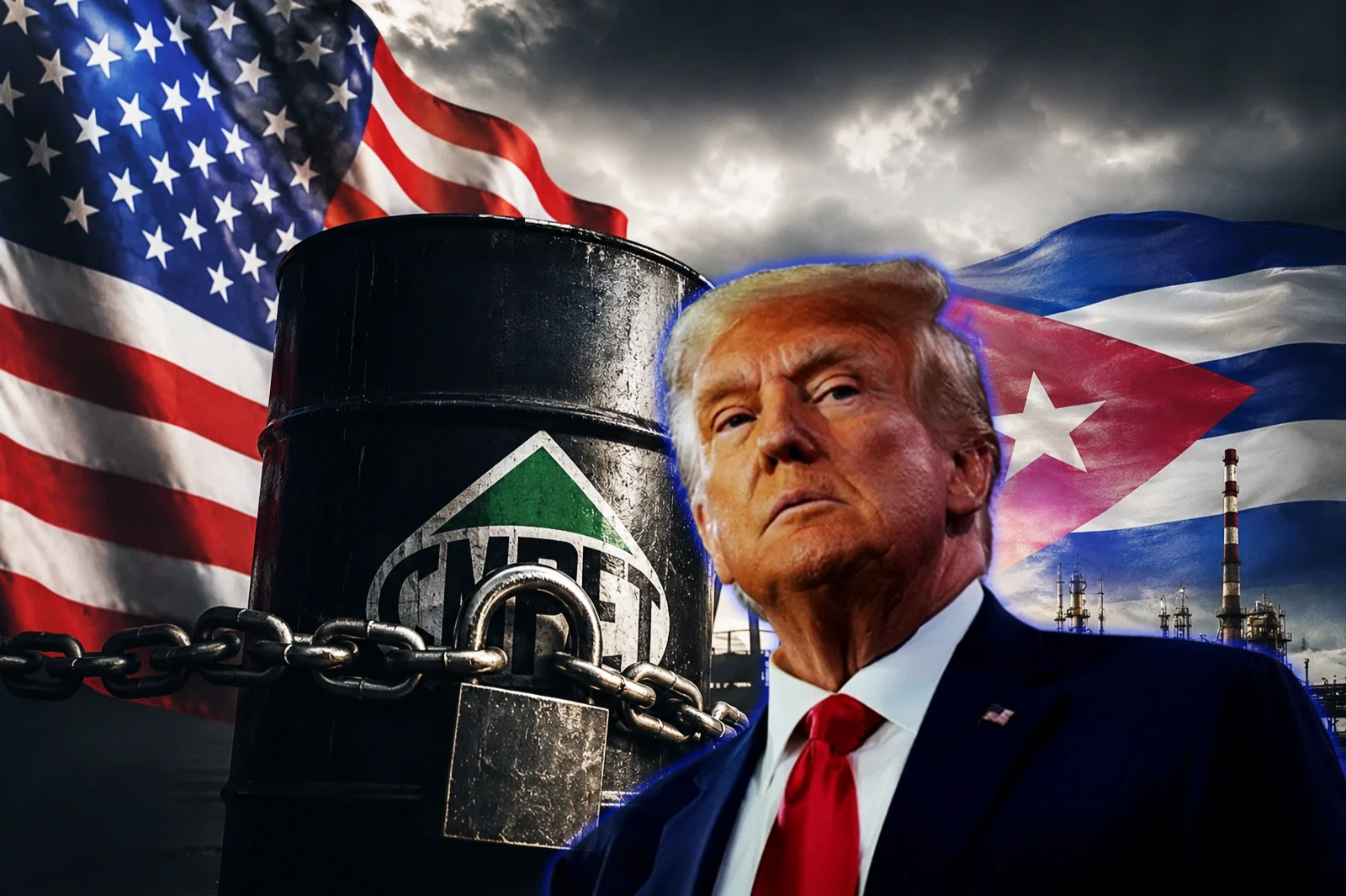
The United States government announced on Thursday sanctions against the Cuban state energy company, Unión Cuba-Petróleo (CUPET), in a new measure that deepens pressure on the communist regime of Miguel Díaz-Canel and directly targets the management of the island's strategic resources.
The oil company, responsible for the extraction, refining, and production of crude oil in Cuba, was added to the list of the Office of Foreign Assets Control (OFAC) of the Department of the Treasury.
With this decision, CUPET becomes part of the group of government entities and Cuban officials sanctioned by the United States, a list that already includes the dictator Miguel Díaz-Canel himself. The measure is part of the tightening policy against the Cuban regime promoted by the administration of Donald Trump.
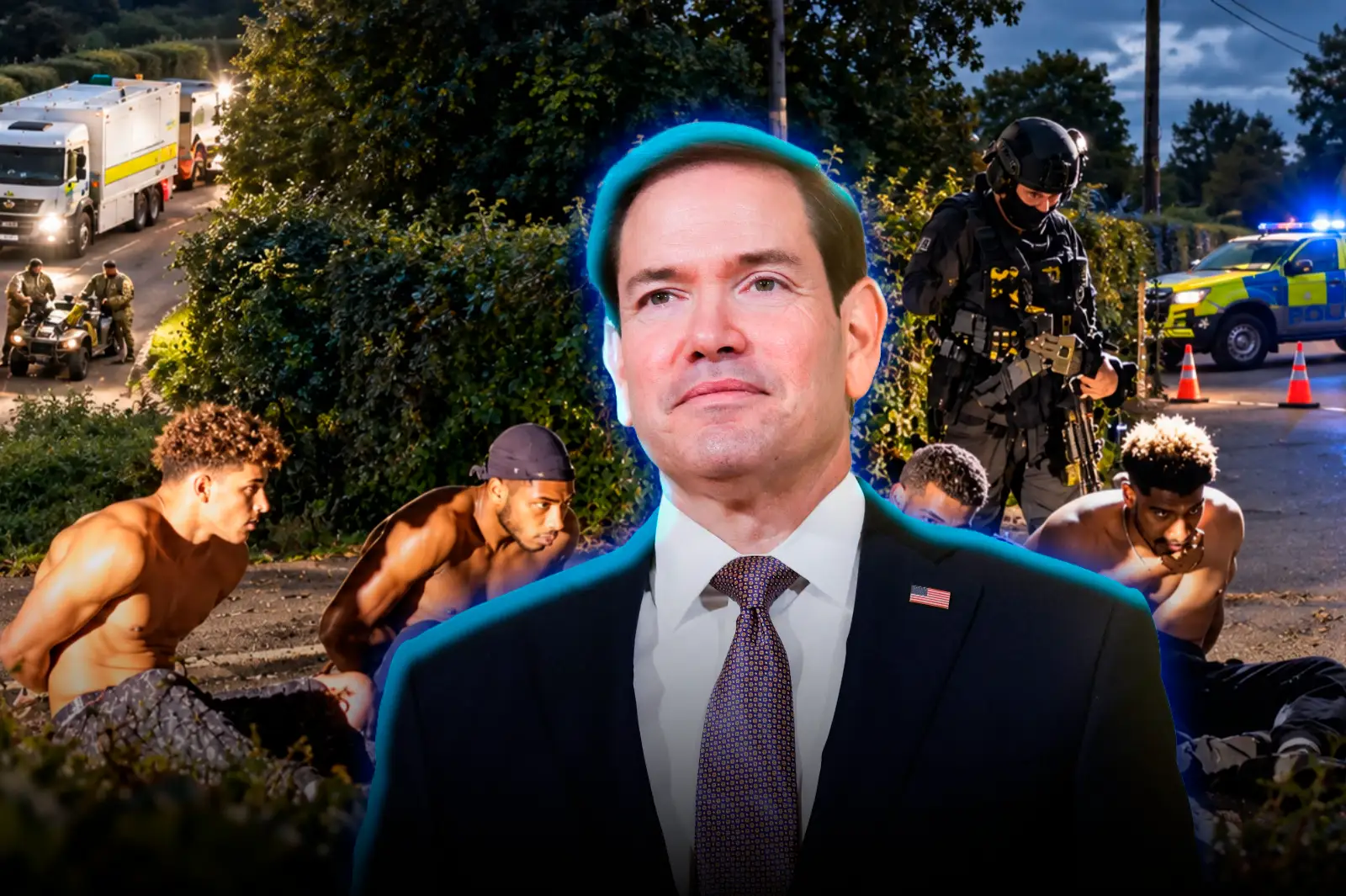
Secretary of State Marco Rubio detailed the reasons behind the sanction and launched harsh criticisms against the Cuban dictatorship.
“Today, I am sanctioning Cuba's state energy company, Unión Cuba-Petróleo (CUPET), under Executive Order 14404 of President Trump. The communist elites of Cuba have turned energy into a weapon of social control and kleptocratic profit,” he stated on his X account.
Rubio elaborated on his criticisms by pointing out the discretionary use of energy resources by the regime. “For decades, the regime has stolen and hoarded available fuel, using it for the Castro's private jet, the security forces employed to repress the Cuban people, and to keep empty tourist hotels lit, all while the Cuban people have suffered blackouts and waited weeks to fill their cars,” he said.
The statements from Trump's official highlight the internal impact of energy management in Cuba, directly linking fuel shortages and electricity cuts to political decisions made by the regime.
In this regard, he also made clear the strategic objective of the measure. “President Trump wants a new future for the Cuban people with greater freedom and economic and political opportunity. Until then, we will continue to target the communist regime's ability to leverage its energy trade to advance its corrupt agenda and violently repress the Cuban people,” he added.
With this decision, Washington seeks to limit the operational and financial capacity of one of Cuba's main state-owned enterprises, in a context where the regime faces a significant crisis on the island, after decades of communism and economic destruction.