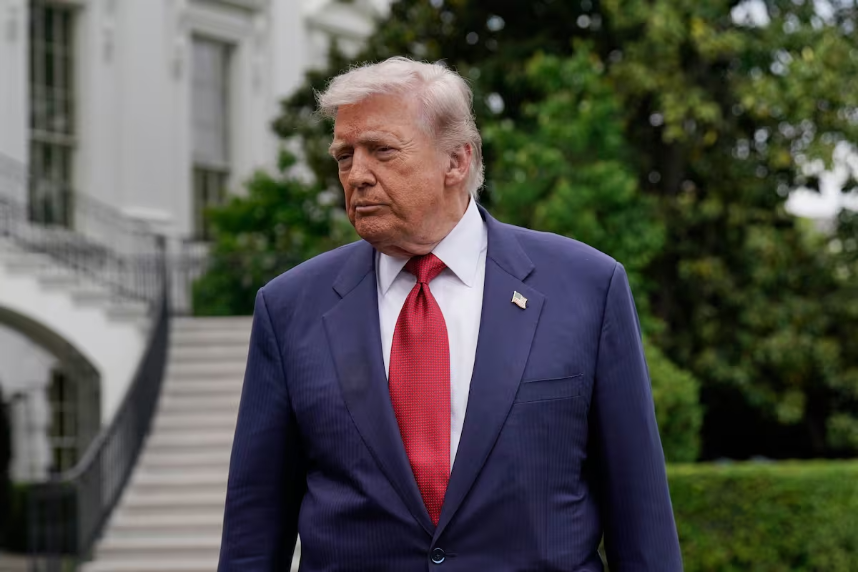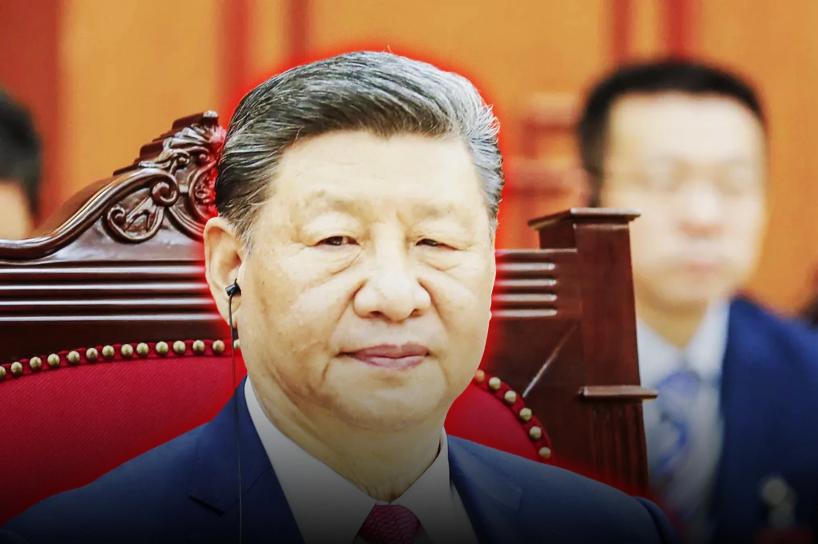

Xi Jinping hardened his threats regarding Taiwan and escalated tensions with the US during the summit in Beijing.

Xi Jinping hardened his threats regarding Taiwan and escalated tensions with the US during the summit in Beijing.
Imagen de Editorial Team
porEditorial Team
Argentina

Xi warned Trump about potential conflicts over Taiwan as China increases military pressure on the democratic island.

Nuevo
Agregar La Derecha Diario en
Compartir:

The meeting between Chinese dictator Xi Jinping and U.S. President Donald Trump in Beijing has once again highlighted that the situation in Taiwan remains the most explosive point in the relationship between the two main powers in the world. Although both leaders tried to show cordiality and willingness to engage in dialogue, the statements made by Xi during the meeting made it clear that China maintains an increasingly aggressive stance regarding the democratic island, raising international concerns about a possible conflict in Asia.

According to the Chinese Ministry of Foreign Affairs, Xi warned Trump in a private meeting lasting more than two hours that mismanagement of the Taiwan issue could take bilateral relations ''to an extremely dangerous place.'' According to the state agency Xinhua, the Chinese leader stated that if the matter is mishandled, both countries ''could collide or even enter into conflict.''

The warning reflects the progressive hardening of Chinese foreign policy under Xi Jinping's leadership, who has transformed the issue of Taiwan into one of the central pillars of his discourse. Since taking power, Xi has intensified military pressure on the island through naval exercises, fighter jet overflights, and maneuvers increasingly close to Taiwanese territory. International analysts believe that this strategy not only aims to intimidate Taiwan but also to consolidate the internal power of the Chinese Communist Party through a patriotic and confrontational discourse.
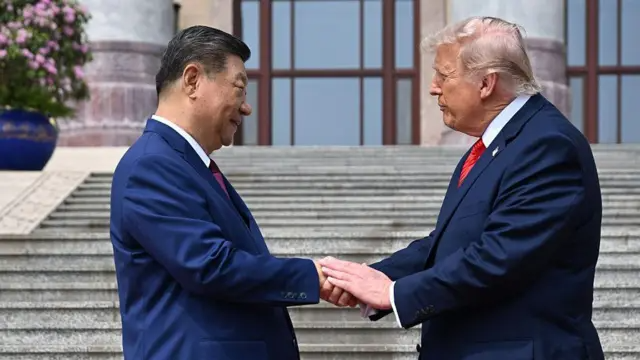
One of the points that generated the most friction in the meeting between Xi Jinping and Donald Trump was the situation in Taiwan.

Taiwan, an island of 23 million inhabitants with its own democratic government, has become the main focal point of tension between Washington and Beijing. Although China considers Taiwan part of its territory and does not rule out the use of force to take control of the island, the United States has maintained a policy of military and political support for Taipei for decades. U.S. legislation also requires Washington to provide defense means to the island.

U.S. Secretary of State Marco Rubio confirmed that the Taiwan issue was discussed during the meeting, although he avoided revealing specific details. ''The Chinese always bring up the topic, and we made our position clear.''

Taiwanese authorities reacted by downplaying Xi's statements, pointing out that the real threats to regional stability come from the growing Chinese militarization. The Taipei government maintains that it is Beijing that disrupts the balance in the strait through constant intimidation and increasingly frequent military deployments.

Xi Jinping's attitude has sparked strong criticism in numerous Western countries and among human rights organizations. His detractors argue that the Chinese leader has consolidated an authoritarian model based on extreme concentration of power, censorship, and absolute political control. Under his rule, China eliminated presidential re-election limits, strengthened state surveillance, and intensified repression against opponents, journalists, and ethnic minorities.
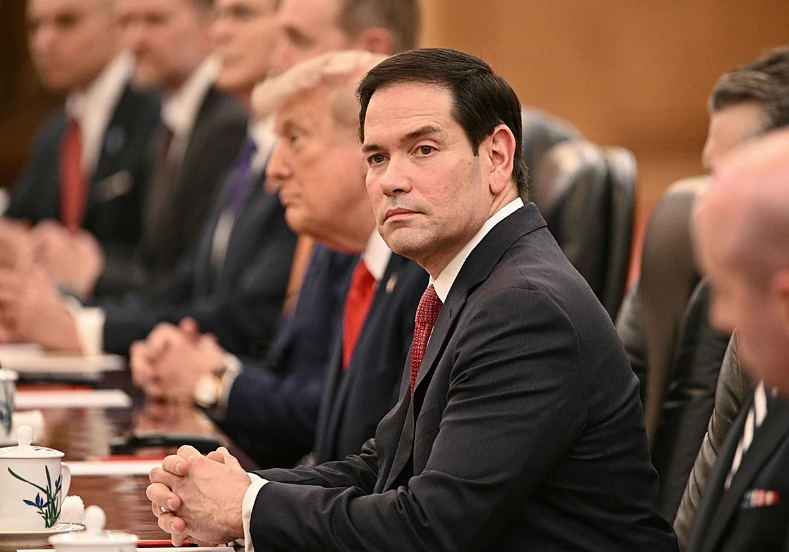
Marco Rubio stated that the situation in Taiwan was a significant topic in the discussions between the two leaders, and made it clear that the United States maintains its firm stance.

In the case of Taiwan, international critics believe that Xi uses nationalism as an internal political tool. The rhetoric of ''inevitable reunification'' allows him to project strength to the Chinese population at a time when the economy faces slowdown, a real estate crisis, and rising youth unemployment. However, many experts warn that turning the Taiwan conflict into a personal issue of political legitimacy could significantly increase the risk of military confrontation.

Despite geopolitical tensions, the summit also had a strong economic component. Both governments seek to preserve a fragile trade truce reached months ago, when Trump suspended high tariffs on Chinese products and Beijing avoided restricting exports of strategic minerals essential for the global technology industry.

Xi stated that recent negotiations between economic officials from both countries in South Korea had produced ''positive and balanced results.'' U.S. officials also indicated that important Chinese purchases of aircraft manufactured by Boeing, as well as increased acquisitions of U.S. agricultural products and energy, could be announced.

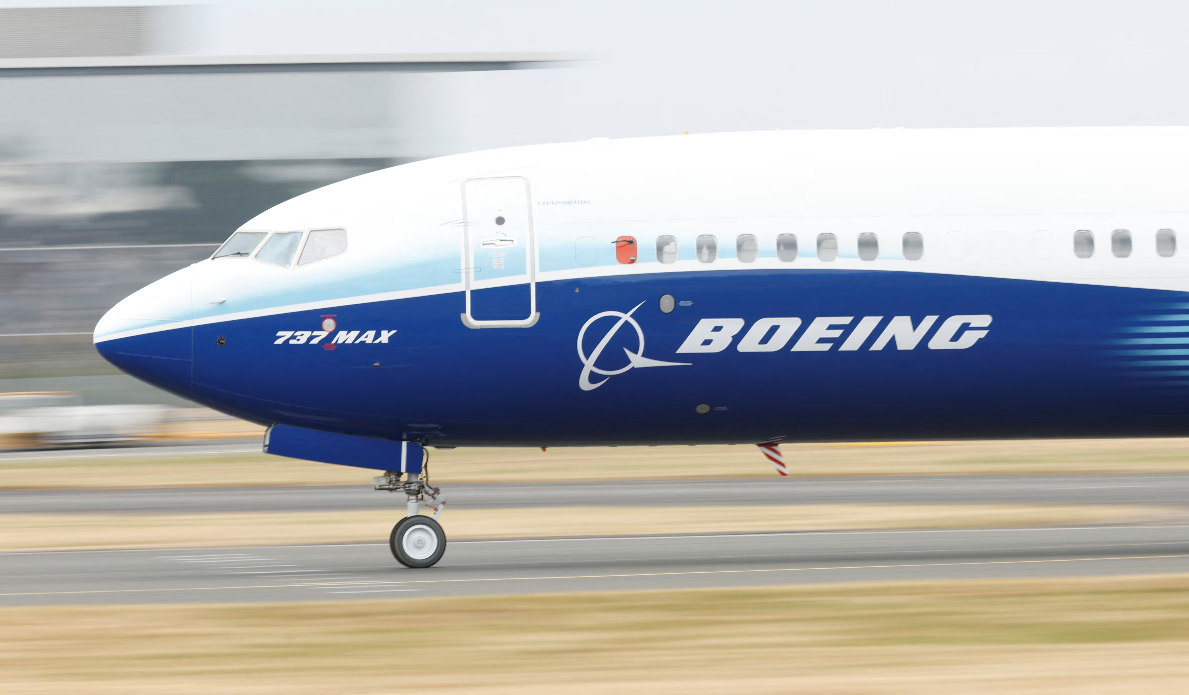
In addition to the situation in Taiwan, major announcements were made regarding economic and trade matters, such as the acquisition of aircraft manufactured by Boeing.

However, behind the signs of cooperation persists an intense technological and strategic competition. China demands that Washington ease restrictions on exports of advanced semiconductors and chip manufacturing machinery, while the United States seeks to limit Chinese access to sensitive technologies related to artificial intelligence and defense.

During an official dinner held in the Great Hall of the People, Xi stated that the relationship between China and the United States is ''the most important in the world'' and called for avoiding mistakes that could harm it. The banquet, accompanied by an elaborate diplomatic ceremony, contrasted with the deep differences existing between the two powers.

Before concluding his visit, Trump formally invited Xi Jinping to make an official visit to Washington on September 24. If realized, it would be the first trip of the Chinese leader to the White House since 2015.

The President of the United States extended an invitation to the Chinese leader to visit Washington next September.


La Derecha Diario logo
ESX logoInstagram logoYouTube logoTikTok logoFacebook
ARGENTINABOLIVIAECUADORISRAELMEXICOURUGUAYDERECHA DIARIO TV
  • ES
    XInstagramYouTubeTikTokFacebook
  • DERECHA DIARIO TV
  • Secciones
  • ARGENTINA
  • BOLIVIA
  • ECUADOR
  • ISRAEL
  • MEXICO
  • URUGUAY
  • Países
  • La Derecha Diario logoLA DERECHA DIARIO
  • La Derecha Diario México logoLA DERECHA DIARIO MÉXICO
  • La Derecha Diario Uruguay logoLA DERECHA DIARIO URUGUAY
  • La Derecha Diario Ecuador logoLA DERECHA DIARIO ECUADOR
  • La Derecha Diario Bolívia logoLA DERECHA DIARIO BOLÍVIA
  • La Derechadiario República Dominicana logoLA DERECHADIARIO REPÚBLICA DOMINICANA
  • La Derecha Diario Israel logoLA DERECHA DIARIO ISRAEL
  • La Derecha Diario Estados Unidos logoLA DERECHA DIARIO ESTADOS UNIDOS
  • Temas
  • GUERRA EN IRÁN
  • JUICIO POR YPF
  • El Diario
  • QUIENES SOMOS
  • AUTORES
  • PUBLICIDAD
  • DONAR
La Derecha Diario logo
TwitterInstagramYouTubeTikTokFacebook
Derecha Diario TV

Nosotros

  • Quienes Somos
  • Autores
  • Donar

Privacidad

  • Protección de datos
  • Canales
  • Sitemap
  • RSS

Contacto

  • info@derechadiario.com.ar
PUBLICIDAD

Noticias relacionadas

Xi Jinping hardened his threats regarding Taiwan and escalated tensions with the US during the summit in Beijing.

Xi Jinping hardened his threats regarding Taiwan and escalated tensions with the US during the summit in Beijing.

LIVE: President Javier Milei is giving an interview on Neura Media

LIVE: President Javier Milei is giving an interview on Neura Media

Trump accelerates the military withdrawal of the United States in Europe and canceled the deployment of 4,000 soldiers to Poland.

Trump accelerates the military withdrawal of the United States in Europe and canceled the deployment of 4,000 soldiers to Poland.

Marco Rubio accused China of stealing technology from the US and warned of a serious strategic threat.

Marco Rubio accused China of stealing technology from the US and warned of a serious strategic threat.

Milei and Caputo celebrated the inflation figure of 2.6% in April: “Returning to normality”

Milei and Caputo celebrated the inflation figure of 2.6% in April: “Returning to normality”

Inflation: Food prices rose only 1.5% in April, the lowest increase in eight months.

Inflation: Food prices rose only 1.5% in April, the lowest increase in eight months.