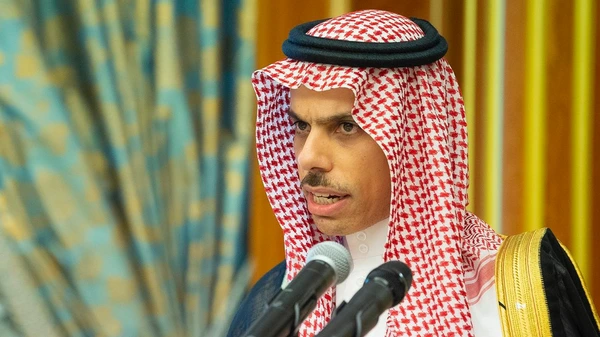
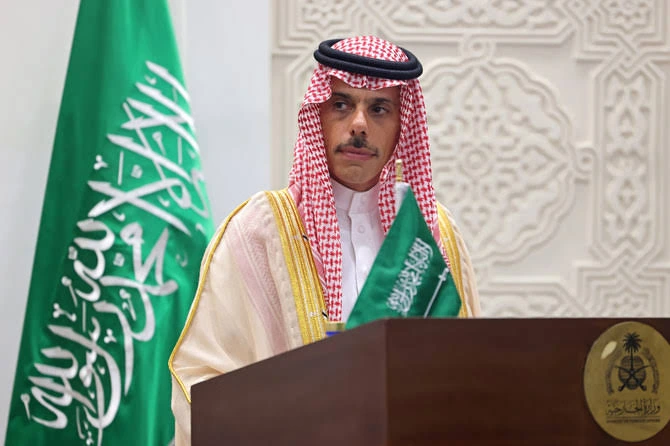
The Foreign Minister of Saudi Arabia, Faisal bin Farhan, stated this Sunday during the BRICS summit in New Delhi that the national security and territorial integrity of the kingdom are ''untouchable'', amid rising tensions with the Houthi rebels in Yemen and increasing military instability in the Middle East.
The head of Saudi diplomacy warned that Saudi Arabia and the other countries of the Gulf Cooperation Council (GCC) will not allow attacks against their territories, infrastructure, or strategic interests, regardless of the arguments used to justify them.
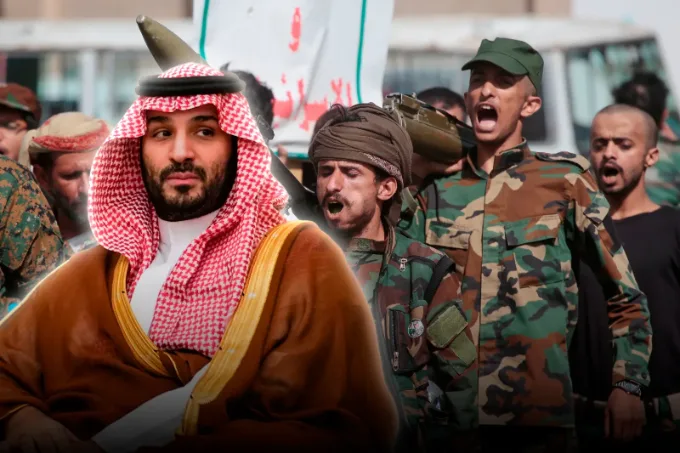
The statements come after a series of attacks attributed to the Houthis against Saudi Arabia. The rebel group, backed by the terrorist regime of Iran, has intensified its operations from Yemen and has targeted military facilities and sectors linked to Saudi energy infrastructure.
Riyadh considers these actions to be a violation of its sovereignty and a direct threat to the stability of the region. The Houthi offensive also raises concerns about its potential impact on navigation and oil exports, due to Yemen's strategic position in relation to some of the main maritime routes in the Middle East.
The Saudi Foreign Minister exploded against the Houthi rebels for several attacks on Saudi cities in recent days
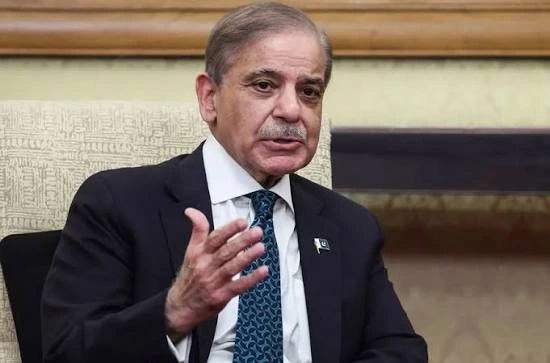
The Prime Minister of Pakistan, Shehbaz Sharif, expressed during a phone conversation with Saudi Crown Prince Mohammed bin Salman, the ''full support and solidarity'' of Islamabad with Saudi Arabia. According to an official Saudi news agency, Sharif condemned the attacks carried out by the Houthis and denounced what he described as violations of the sovereignty and territorial integrity of the kingdom.
The Pakistani support comes as pressure increases on the Houthis and their ties to Iran. The Yemeni group maintains a close relationship with Tehran, which has provided it with political supportand military assistance. Iran, for its part, rejects accusations that it directly controls the rebels' operations.
One of the main points of concern is the Bab al Mandeb Strait, located between Yemen and the Horn of Africa. The route connects the Red Sea with the Gulf of Aden and constitutes a fundamental corridor for international trade. The presence of the Houthis in areas close to the Yemeni coast has increased risks for vessels traversing the area.
Pakistan expressed its support for Saudi Arabia and condemned the terrorist actions carried out by the Houthis
The group has been accused of using its territorial position to threaten maritime traffic and attack vessels linked to its adversaries. For Saudi Arabia, any prolonged disruption of this route could affect its economic interests and hinder the movement of goods and energy products.
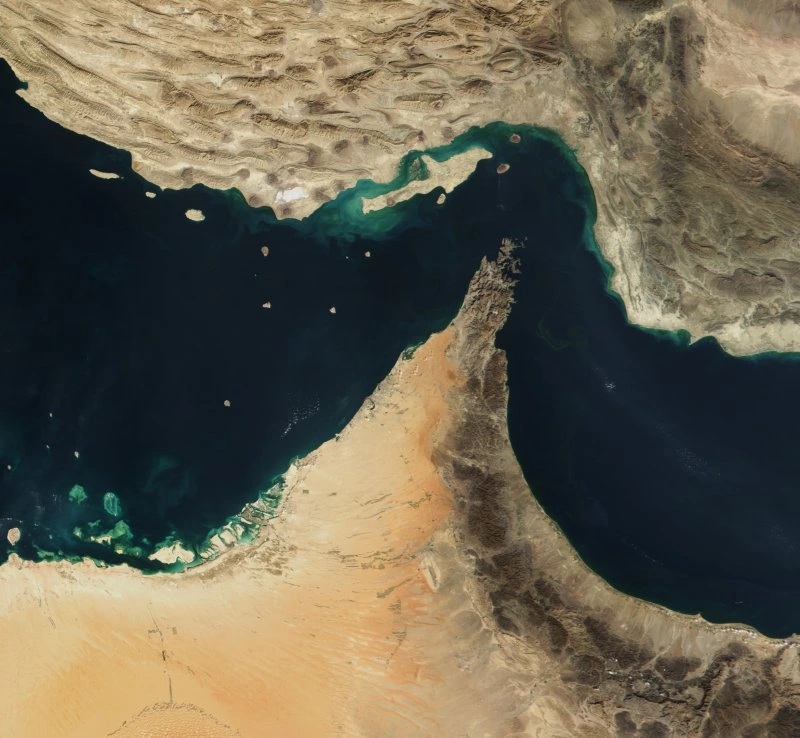
During his speech in New Delhi, Bin Farhan also highlighted the importance of keeping navigation through the Strait of Hormuz and other strategic maritime corridors open. The chancellor stated that the stability of these routes is essential to ensure energy supply and the functioning of international trade.
Any disruption in Hormuz, he added, could impact global markets, supply chains, and economic growth. Saudi concerns are heightened as before the current military escalation, about 20% of the world's oil passed through that strait.
The combination of threats in Bab al Mandeb and restrictions in Hormuz places Saudi Arabia in a particularly delicate situation. Both corridors are important for its energy exports and for the stability of international markets.
Saudi authorities emphasized the importance of keeping the Strait of Hormuz permanently open
Despite its firm stance against the attacks, Bin Farhan also called for reducing tensions. The minister stated that a prolonged confrontation in the Middle East will not allow for a permanent solution and called for conditions that enable progress towards political and diplomatic initiatives.
Riyadh also defended respect for the sovereignty of states, non-interference in internal affairs, good neighborliness, and the peaceful resolution of disputes. The Saudi government believes that the security of the Gulf has an international dimension due to its impact on the global economy.
Saudi Arabia participated in the BRICS summit as a guest country, although it has not yet formalized its incorporation into the bloc after receiving the invitation in 2024. Bin Farhan's statements were made a day after the group's leaders approved the New Delhi Declaration, which called for maximum restraint in the face of the escalation in the Middle East.
The leader of Saudi democracy spoke at the BRICS summit and called for a reduction of tensions in the region