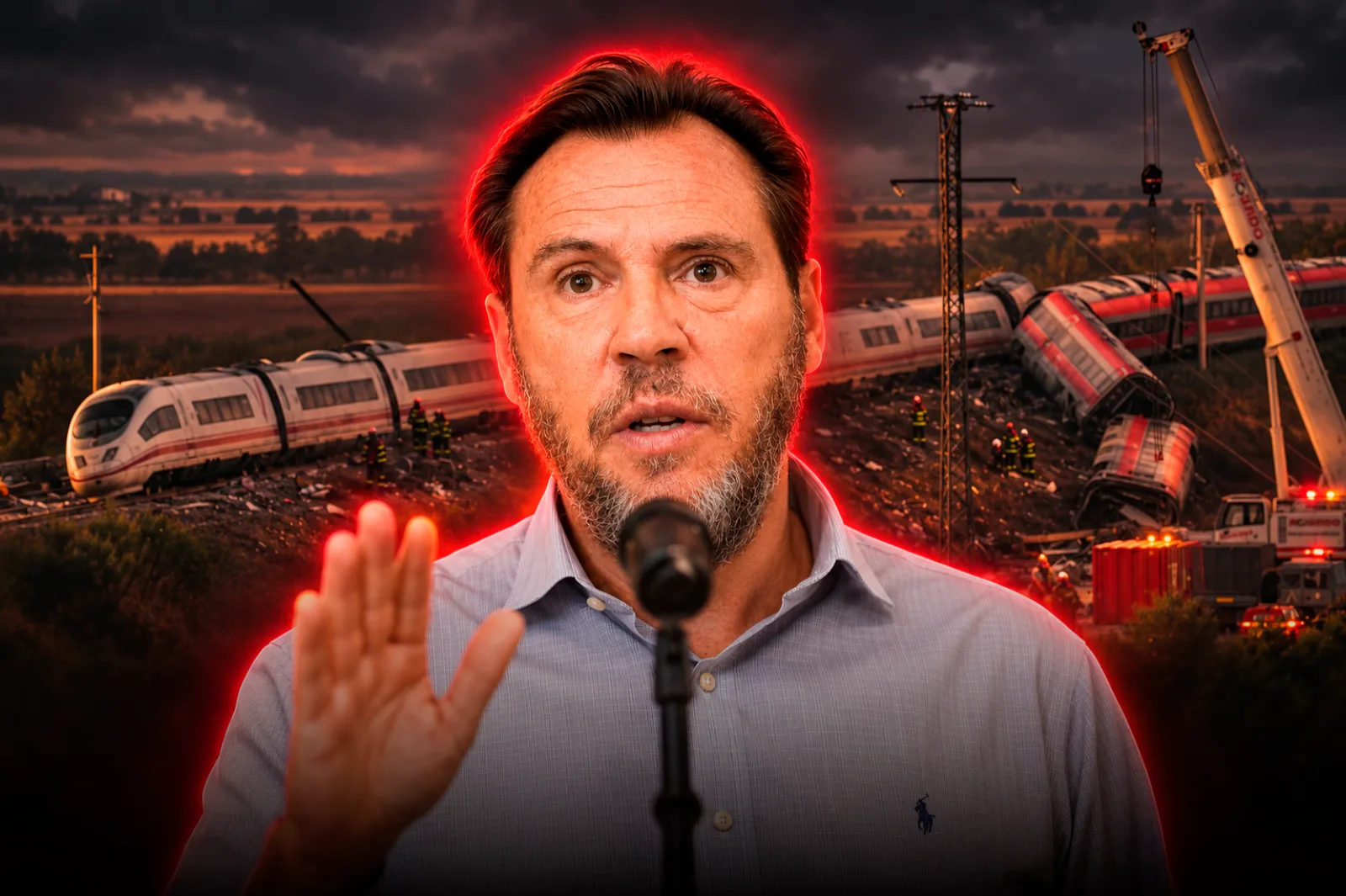
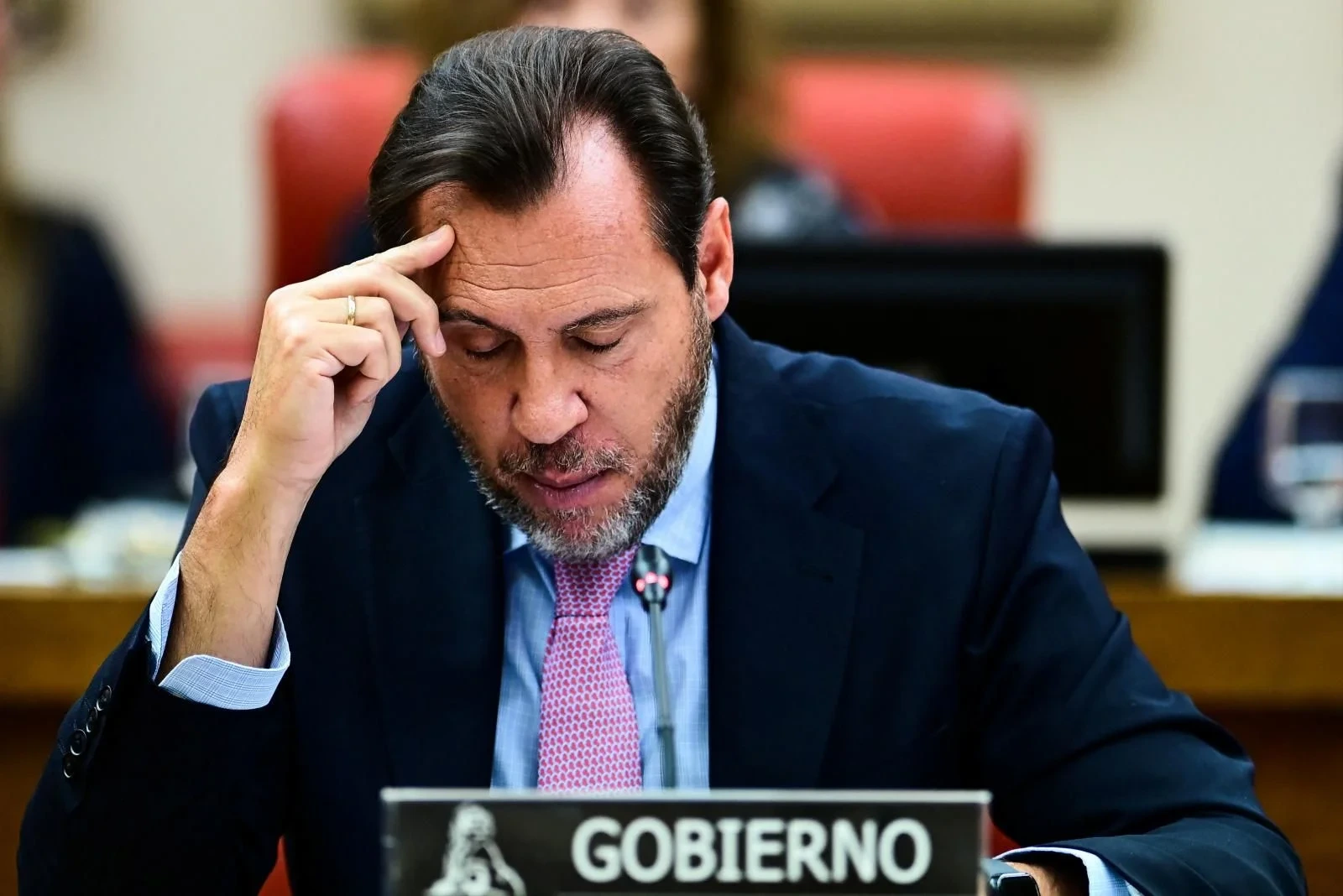
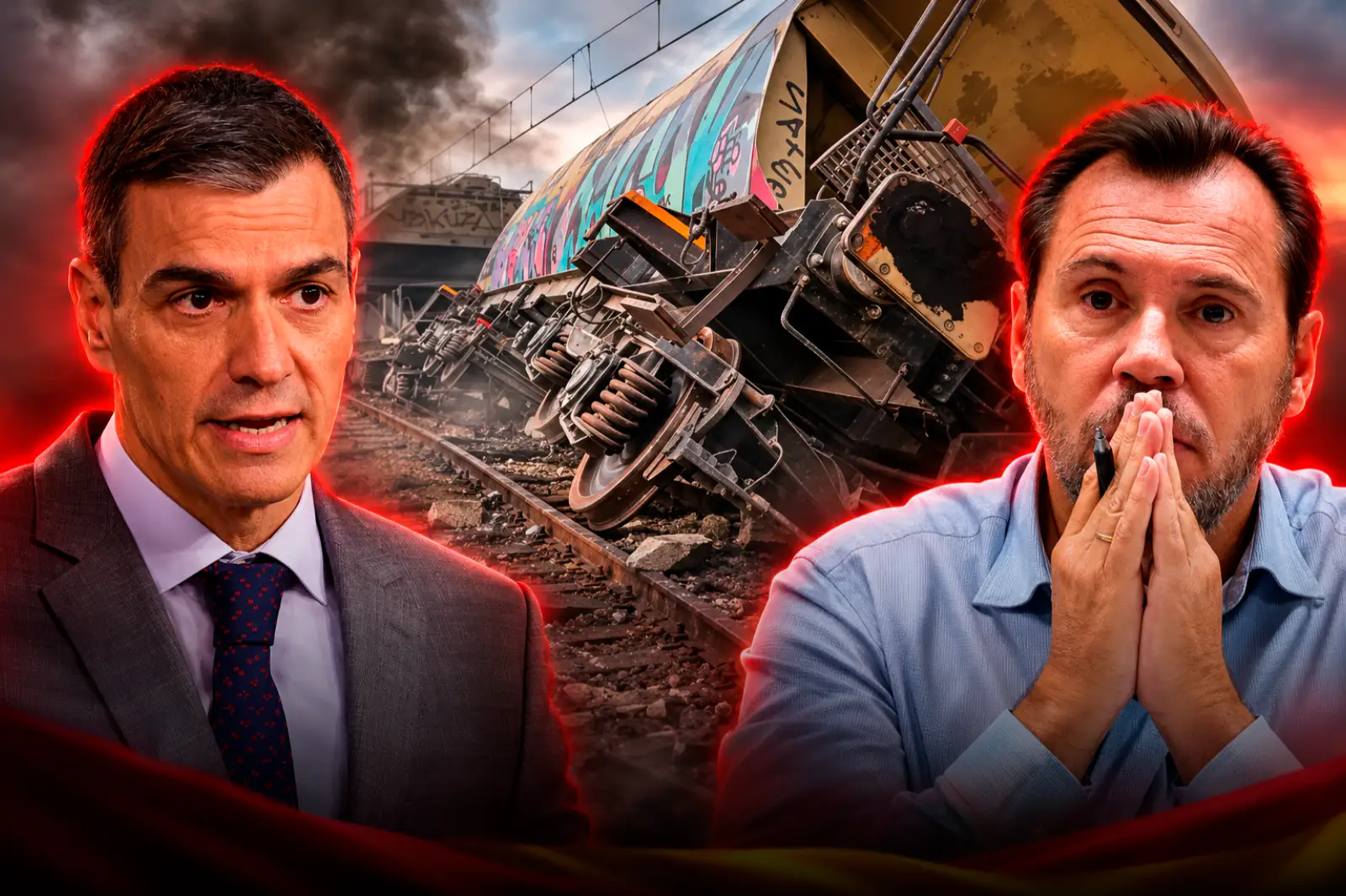
The Minister of Transport of Spain, Óscar Puente, announced his resignation from office in the midst of the political crisis that the Government of the socialist Pedro Sánchez is going through, following the serious railway accidents recorded in Adamuz and Urda during 2026.
The official announced his decision in a surprising way in the last minutes of his speech to the Permanent Deputation of Congress, where he was summoned to give explanations.
“A transport minister from a country like Spain did not continue after two accidents in less than a year,” Puente said, justifying his departure, which came after an extensive four-hour parliamentary session.
Until now, Puente had refused to leave the Ministry and argued that his responsibility was to clarify the causes of the accident and take measures
to prevent new episodes.
He had even made his continuity available to President Pedro Sánchez, who had conveyed his trust and requested that he remain at the head of the department.
However, criticism from the opposition and pressure from Spanish society increased over the past few days, making the minister's continuity one of the main political problems for the Spanish Government.
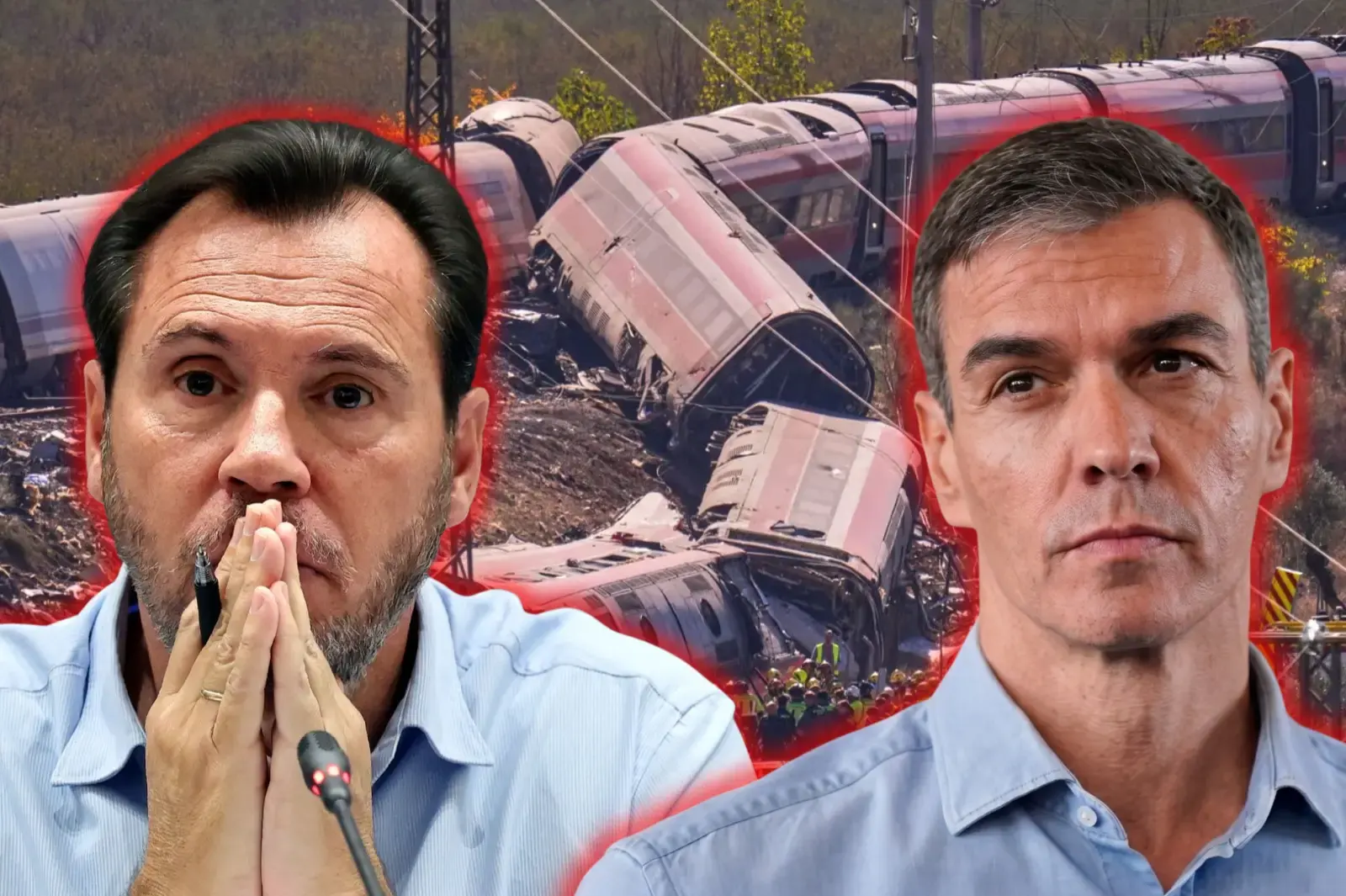
Pedro Sánchez and Oscar Puente.
The words of Óscar Puente
During his speech, Puente said that the decision to leave office had been taken shortly after learning about the railway tragedy. He also explained that his family was the first to receive the news.
“I want to convey to you that I made the decision about my future in the first moments after the tragedy,” said the now former minister. He then added: "It's a question of political dignity, coherence and empathy
.”
The announcement was especially surprising because it came on the same day that Sánchez had publicly confirmed his support for the head of Transportation.
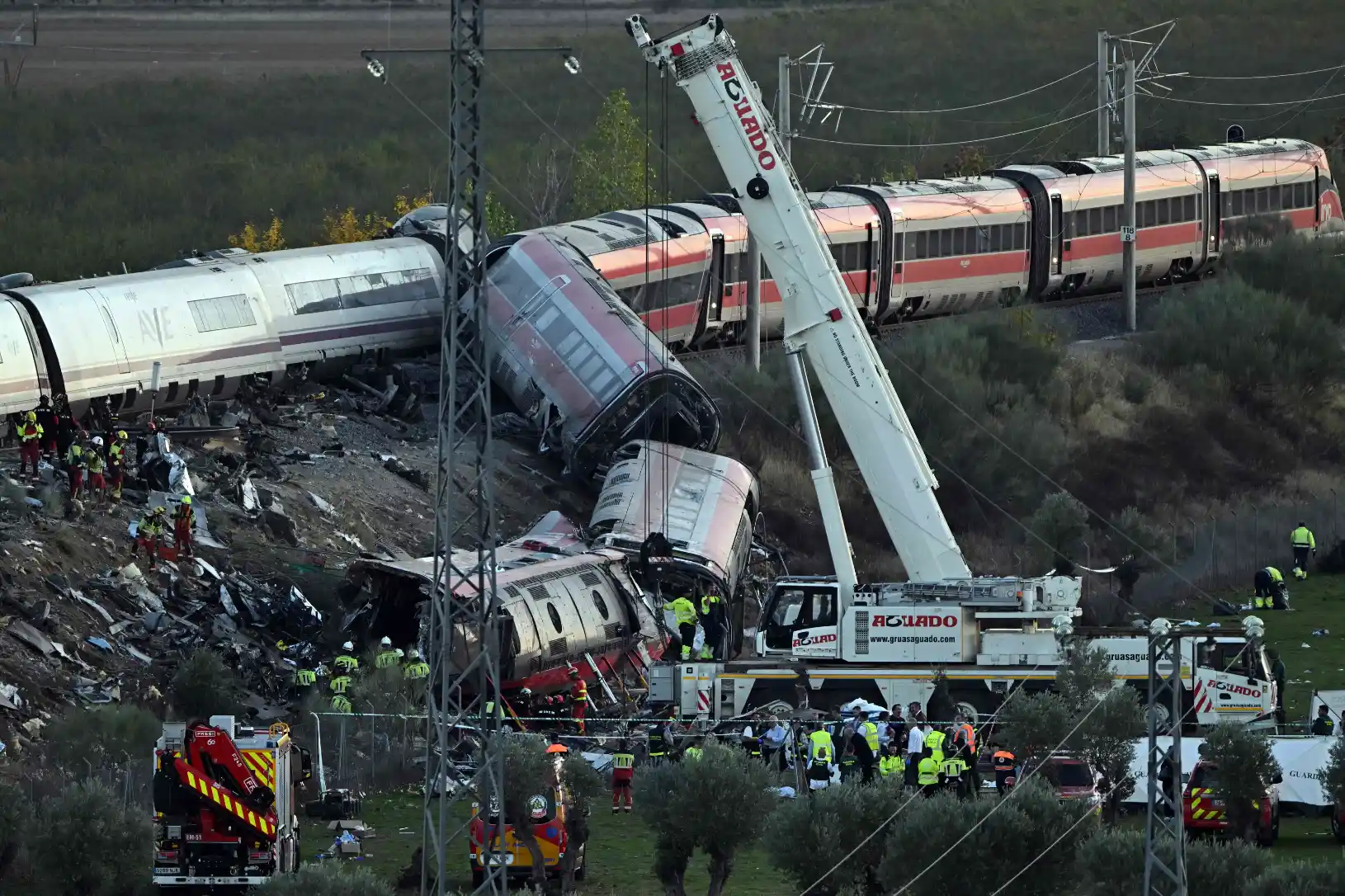
The recent railway accident.
The railway tragedies that triggered the crisis The
exit of Puente comes after the accident in Urda, which occurred on October 28 on the Madrid-Seville high-speed line. In that episode, an AVE train hit an Iryo formation from behind, in an accident that left 69 dead and more than
200 injured.
The episode came just nine months after the railway tragedy in Adamuz, in Córdoba, which left 45 dead. The succession of both accidents intensified questions about the safety of the Spanish railway network and the operation of the public companies responsible
for its administration.
The resignation also leaves pending the implementation of various measures that Transportes had prepared to reinforce security, including increased speed restrictions in the face of failures in automatic protection systems, staff reinforcements and technological improvements in the high-speed network.
A new crisis for the Government of Pedro Sánchez
The resignation opens up a new scenario for the Spanish Executive, which must resolve the succession in the Ministry of Transport while the investigation of the Urda accident continues
.
In addition, the official's departure comes in a context of tensions between Adif and Renfe over the management of incidents and responsibilities for railway traffic safety.