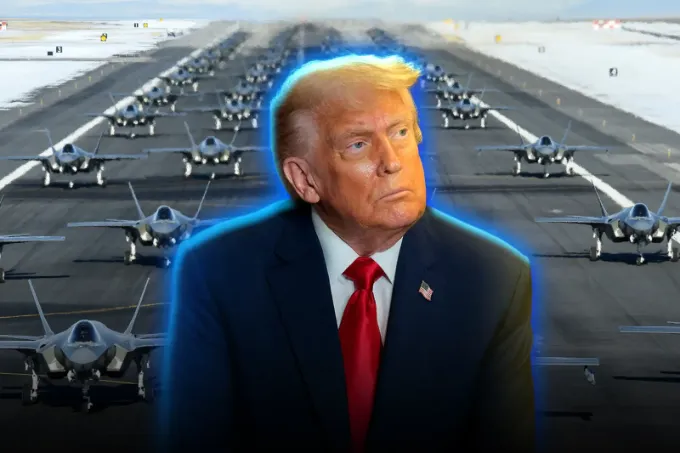
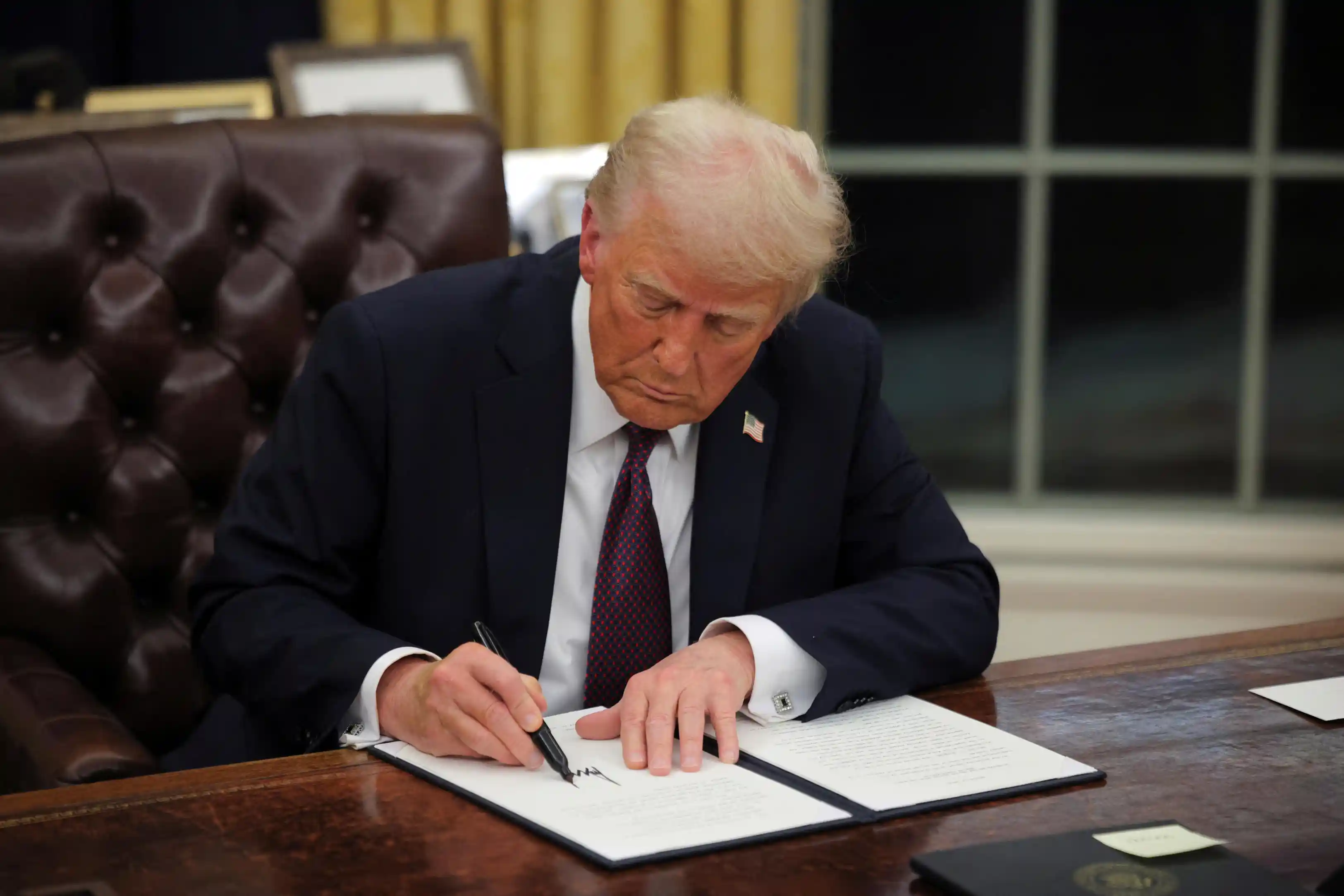
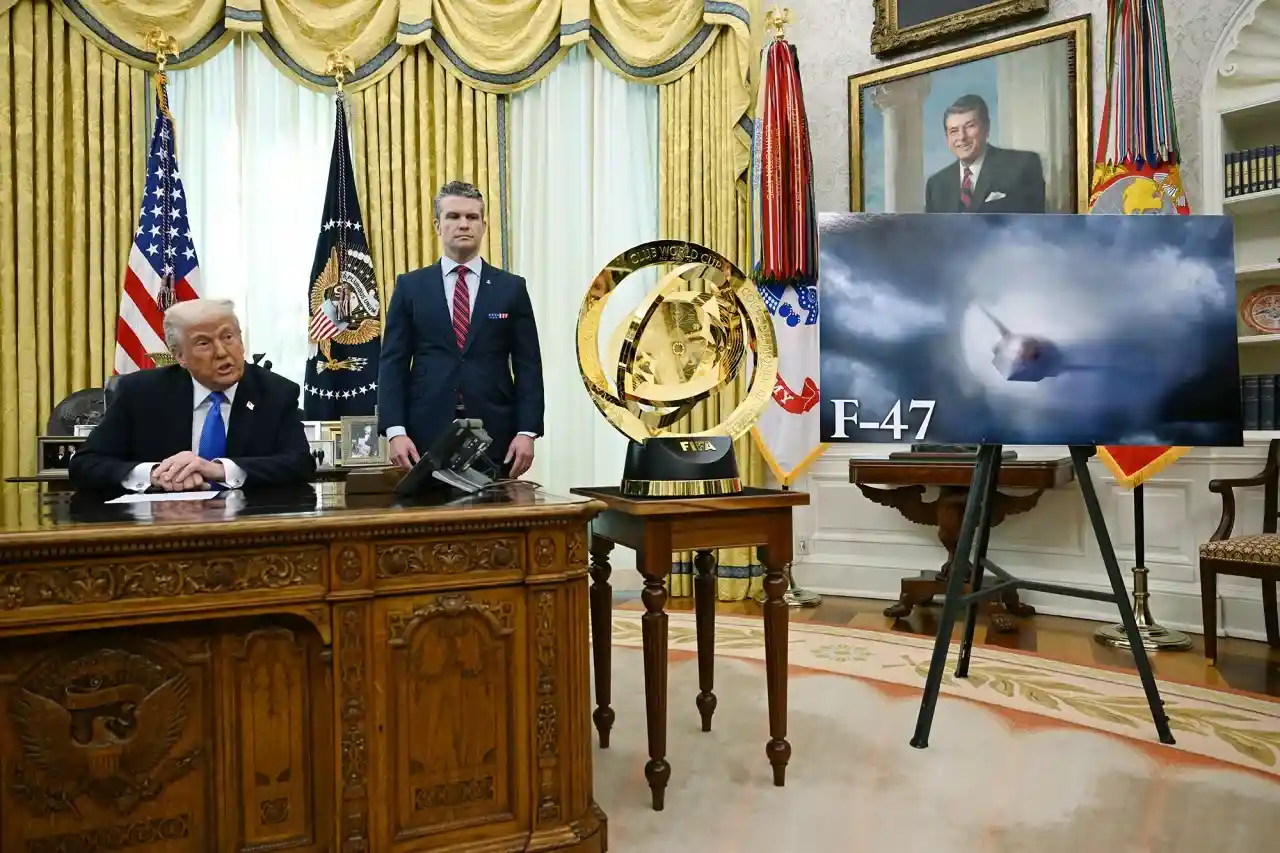
The President of the United States, Donald Trump, signed a new executive order aimed at strengthening the country's defense industrial base, a measure that tightens the requirements for military contractors and seeks to ensure that the equipment, materials, and components used by the Armed Forces come primarily from U.S. suppliers or allied countries.
The initiative is part of the administration's strategy to reduce dependence on foreign supply chains, especially those linked to China, and to strengthen domestic production capacity at a time of increasing geopolitical tension.
In the executive order, Trump states that the military power of the United States should not be measured solely by the quality of its weapons or the combat capability of its soldiers, but also by the strength of the industry that supports the Pentagon. According to the president, it is essential that both defense systems and the raw materials needed to manufacture, maintain, and repair them be obtained within the country or from reliable allied nations.
''The policy of the United States is that not only the military equipment deployed by our armed forces, but also the critical materials and components necessary to produce, maintain, and repair it, must come from domestic territory or allies,'' the text of the presidential order states.
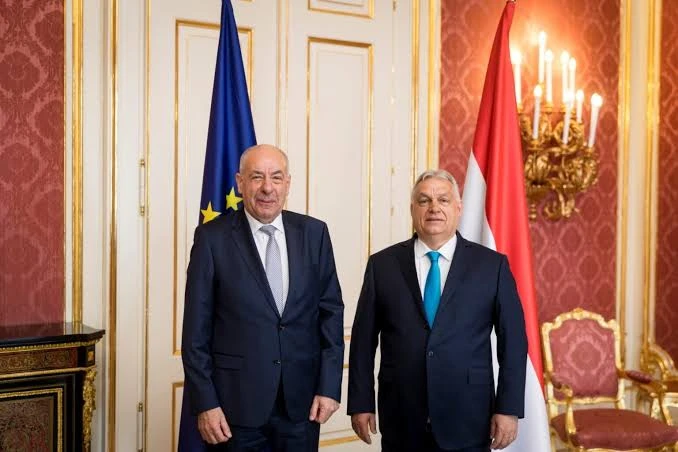
Former Hungarian President Tamás Sulyok alongside Viktor Orban
The administration believes that for years numerous contractors prioritized the use of foreign suppliers due to lower costs or simpler procurement processes, a practice that ended up weakening national security and increasing vulnerability to potential international conflicts. Trump argues that relying on minerals, components, and technologies from rival countries poses a strategic risk that must be corrected.
To achieve this goal, the president ordered the Secretary of War, Pete Hegseth, and the rest of the Pentagon authorities to drastically restrict the granting of exemptions that allowed the acquisition of materials from abroad. From now on, these authorizations can only be granted in exceptional circumstances and must be supported by much more rigorous justification.
Contractor companies will be required to demonstrate that they made ''exhaustive efforts'' to find domestic suppliers before requesting an exemption. Additionally, they must accurately identify the origin of the materials used, explain why they could not turn to U.S. manufacturers, and present a concrete plan to gradually eliminate any dependence on suppliers deemed prohibited.
Former Hungarian President Tamás Sulyok alongside Viktor Orban
The executive order also warns that companies that do not demonstrate real progress toward national sourcing could lose contracts with the Department of War, a measure aimed at incentivizing investments in the U.S. industry and fostering the development of new productive capacities within the country.
Peter Navarro, economic advisor to President Donald Trump and one of the main proponents of the industrial strengthening policy, defended the decision before it was officially announced. He explained that the government will no longer accept superficial justifications from contractors.
''No more 'we couldn't find alternatives.' Companies will have to demonstrate that they truly did everything possible to acquire domestic materials,'' Navarro stated, who described the initiative as a profound change in military procurement policy.
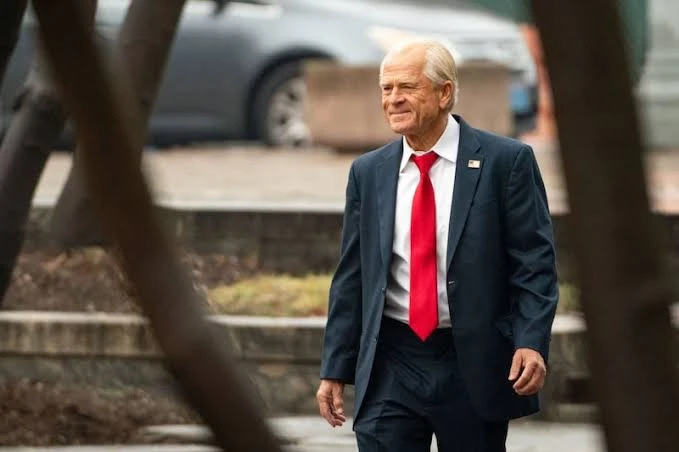
Peter Navarro, advisor to President Trump, highlighted the change represented by the signed measure and stated that it is a strategic renewal
In addition to tightening the rules for exemptions, the executive order establishes new transparency requirements for the entire defense supply chain. The Pentagon will have to develop regulations that require contractors to document in detail the complete journey of each component used in military systems, from raw materials to the final product.
Companies will have to report the origin of minerals, parts, software, and other components incorporated into armaments, aircraft, missiles, and other equipment used by the Armed Forces. The Republican administration argues that knowing the exact origin of each element will allow vulnerabilities to be detected before they can be exploited by foreign adversaries.
Navarro insisted that these demands do not constitute a mere bureaucratic burden, but a tool for strategic preparedness. He explained that the Pentagon needs to know in advance if a missile system, a fighter jet, or any other military equipment depends on suppliers controlled by foreign governments that could disrupt supply during an international crisis.
The decree signed by Trump establishes transparency requirements to achieve greater efficiency in the supply chain in the military industry
The decree also requires contractors to continuously evaluate their suppliers to identify potential risks related to foreign ownership, financial fragility, or manufacturing problems. If any of those suppliers are deemed unreliable, companies will have to replace them with safer alternatives.
The presidential decision comes amid increasing international tension. The United States is conducting a military campaign against Iranian targets following several attacks attributed to Tehran and its allies, while the Pentagon has intensified its requests to manufacturers such as Lockheed Martin and Boeing to rapidly increase arms production.
The Trump administration believes that a strong defense industry is an indispensable element for maintaining the country's deterrent capability and responding quickly to any large-scale conflict.
The U.S. president acknowledged the importance that the defense industry represents for the country
The executive order also includes sanctions for those who violate the new rules. Trump instructed the Secretary of War to take all necessary legal measures against companies that provide false information or deliberately attempt to evade the new requirements. In the most serious cases, Hegseth may refer the files to the Attorney General for investigation of possible fraud and, if necessary, initiate legal proceedings.
With this initiative, the Trump administration seeks to strengthen the industrial autonomy of the United States, reduce dependence on foreign suppliers, and ensure that national security is not conditioned by supply chains controlled by rival countries.