The proposal would have established a 5% tax on assets such as business shares, stocks, artwork, collectibles, and intellectual property. Certain pension funds, real estate, and retirement accounts would be excluded. The tax would affect approximately 250 billionaires who, according to the proponents, collectively hold about $2 trillion in wealth.
Furthermore, to prevent those affected from relocating before the measure took effect, the tax would apply retroactively to those who were residents of California on January 1, 2026. This provision also raised questions about the initiative's effects on legal certainty and investment decisions.
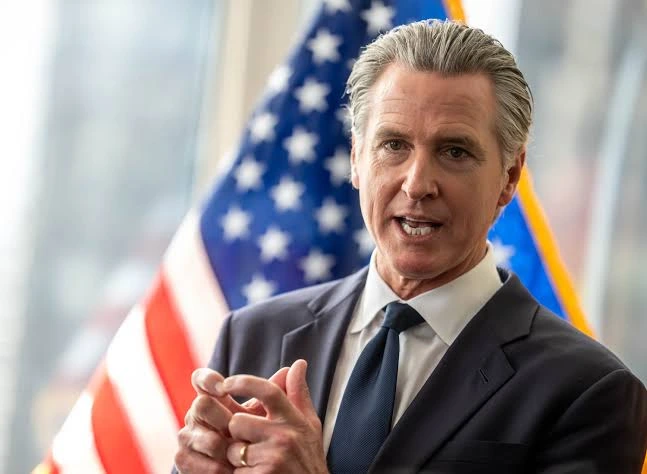
The Democratic governor of California, Gavin Newsom, faced the most radical sectors of his own party by rejecting a proposal pushed by the Democratic Socialists of America (DSA) that sought to impose a one-time 5% tax on the wealth of the state's billionaires. The governor warned that the initiative would harm California's economic competitiveness, worsen the exodus of entrepreneurs and investors, and generate extraordinary revenues that would not solve the structural problems of the state budget.
The "Proposition 40," backed by the DSA of California on the eve of the November legislative elections, aimed to establish a one-time tax on the assets of the state's wealthiest residents. Although Wednesday's election count showed that the measure was headed for defeat, its promotion sparked a confrontation between socialists and other Democratic leaders who questioned the economic risks of the initiative.
Newsom expressed his opposition before the vote and emphasized that the rejection did not come solely from Republican or business sectors. He explained that numerous unions and organizations traditionally linked to the Democratic Party had also spoken out against it.
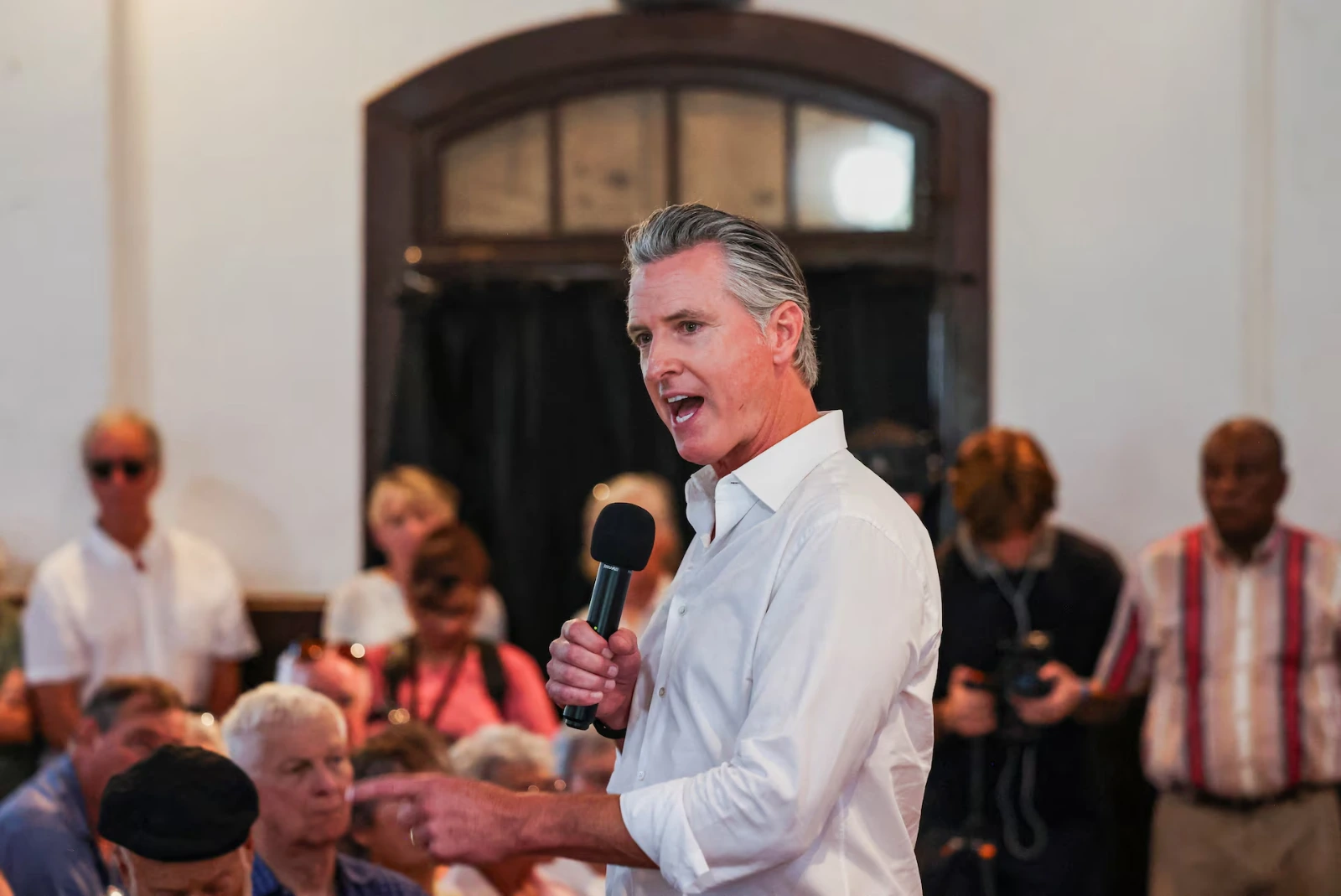
"Firefighters opposed it. Teachers opposed it. Planned Parenthood opposed it. The vast majority of the labor movement opposes it. I believe that most Californians are also against it," the governor stated in an interview.
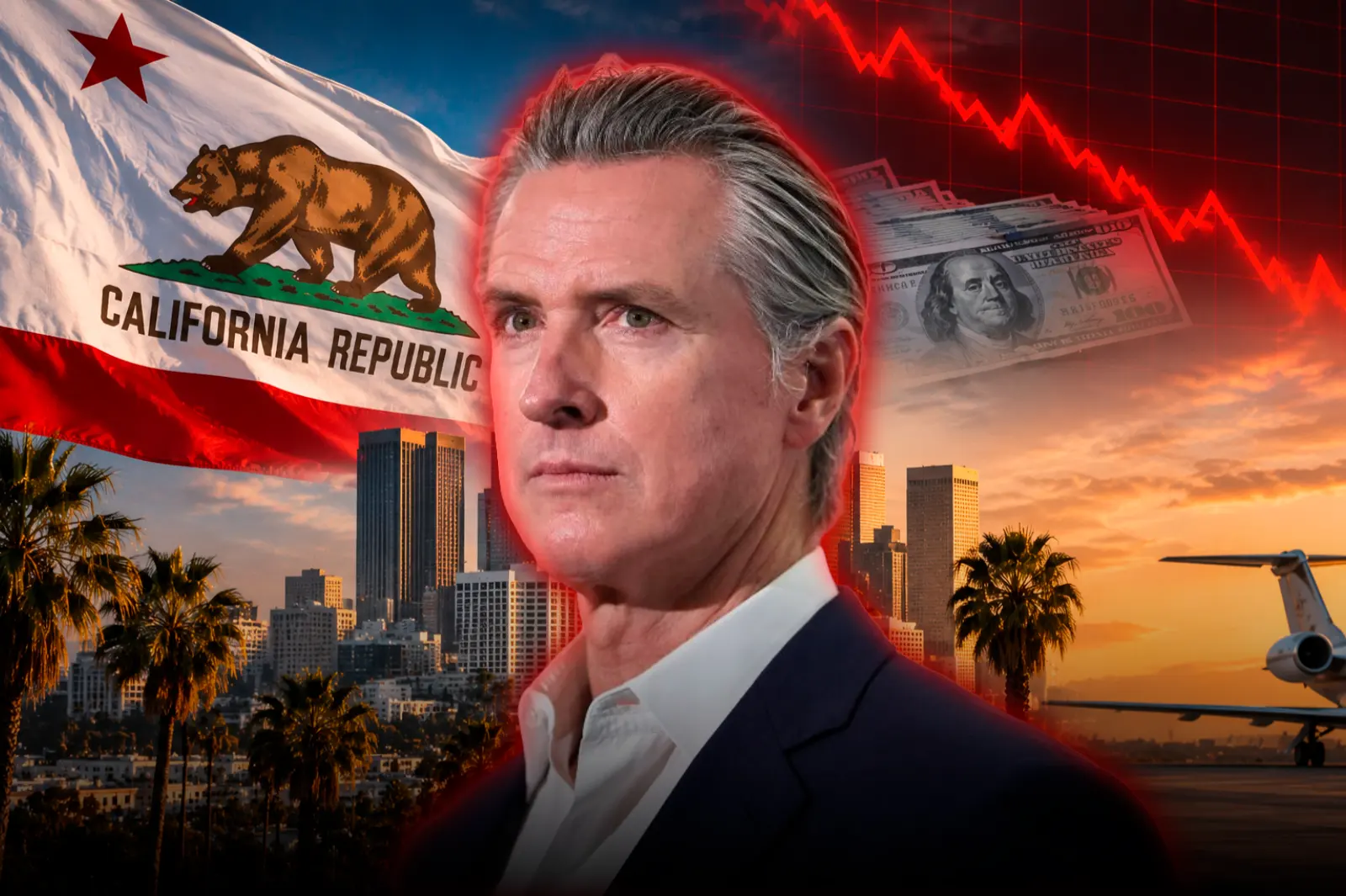
California's Democratic governor rejected a nefarious socialist tax on the state's millionaires
The governor particularly questioned California's attempt to unilaterally impose a tax of this nature while other states maintain different tax conditions to attract investments and high-income taxpayers.
"I don't think it's a good idea to do it at the state level. It's a poorly drafted initiative. It focuses solely on one part of the state budget, generates one-time revenues, and its consequences are already being felt. People have left the state," Newsom warned.
The tax would tax a 5% rate on business assets such as stocks, intellectual property and works of art
The socialist proponents defended the tax as a tool to fund public services and offset a projected deficit of up to $100 billion in federal funds allocated to Medi-Cal, the healthcare program for low-income individuals, seniors, and people with disabilities.
The DSA proposed allocating 90% of the revenues to healthcare and the remaining 10% to education, food assistance, and tax administration. They also argued that billionaires would continue to increase their fortunes despite the tax, as their wealth would grow annually by between 7% and 8%.
However, Newsom considered that the initiative did not represent an adequate solution for California's financial needs. Instead of supporting the tax, the governor promoted "Proposition 42," an alternative measure designed to prohibit new state taxes on certain personal property and restrict the retroactive application of certain levies. This proposal was also aimed at gaining voter approval.
The California Democrat introduced a proposal to ban new state taxes on some personal property