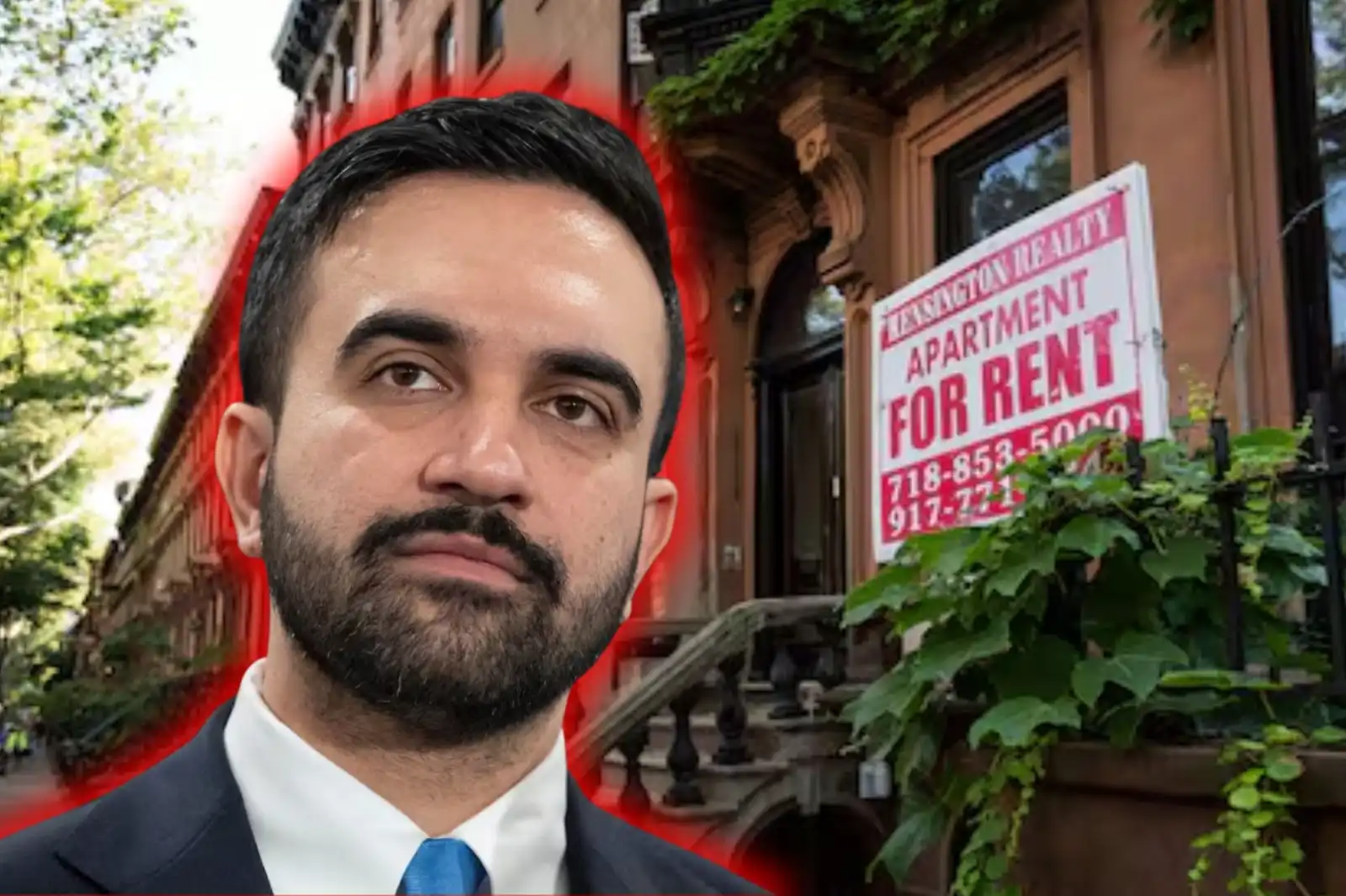

Rental prices in New York reached record levels following the freeze implemented by Mamdani

Rental prices in New York reached record levels following the freeze implemented by Mamdani

Prices in Manhattan and Brooklyn rise to historic highs as the housing crisis grows under current regulations

Share:

The city of New York is experiencing a sharp increase in rental prices that have reached record levels, amid a rent freeze driven by the communist Muslim mayor Zohran Mamdani.

The measure, which prevents increases in nearly one million homes with frozen rents for periods of one to two years, obviously failed to stop the price surge in the general market and, on the contrary, propelled it.

According to the latest data from the real estate sector, the average rent for a one-bedroom apartment in Manhattan reached a historic high of nearly $5,500 per month.
New York
New York

In concrete figures, tenants paid an average of $5,408 in June, while studios reached $4,014. Meanwhile, Brooklyn recorded similar values, with an average of $4,297 for one-bedroom units.

Overall, the average rent for an apartment in Manhattan stood at $5,295 per month, while in Brooklyn it reached $4,350. These values represent a year-on-year increase of approximately 8% in both districts, consolidating a sustained upward trend occurring simultaneously with regulatory restrictions.

The figures, which mark historic highs across all surveyed segments, reflect the deepening housing crisis in the city.

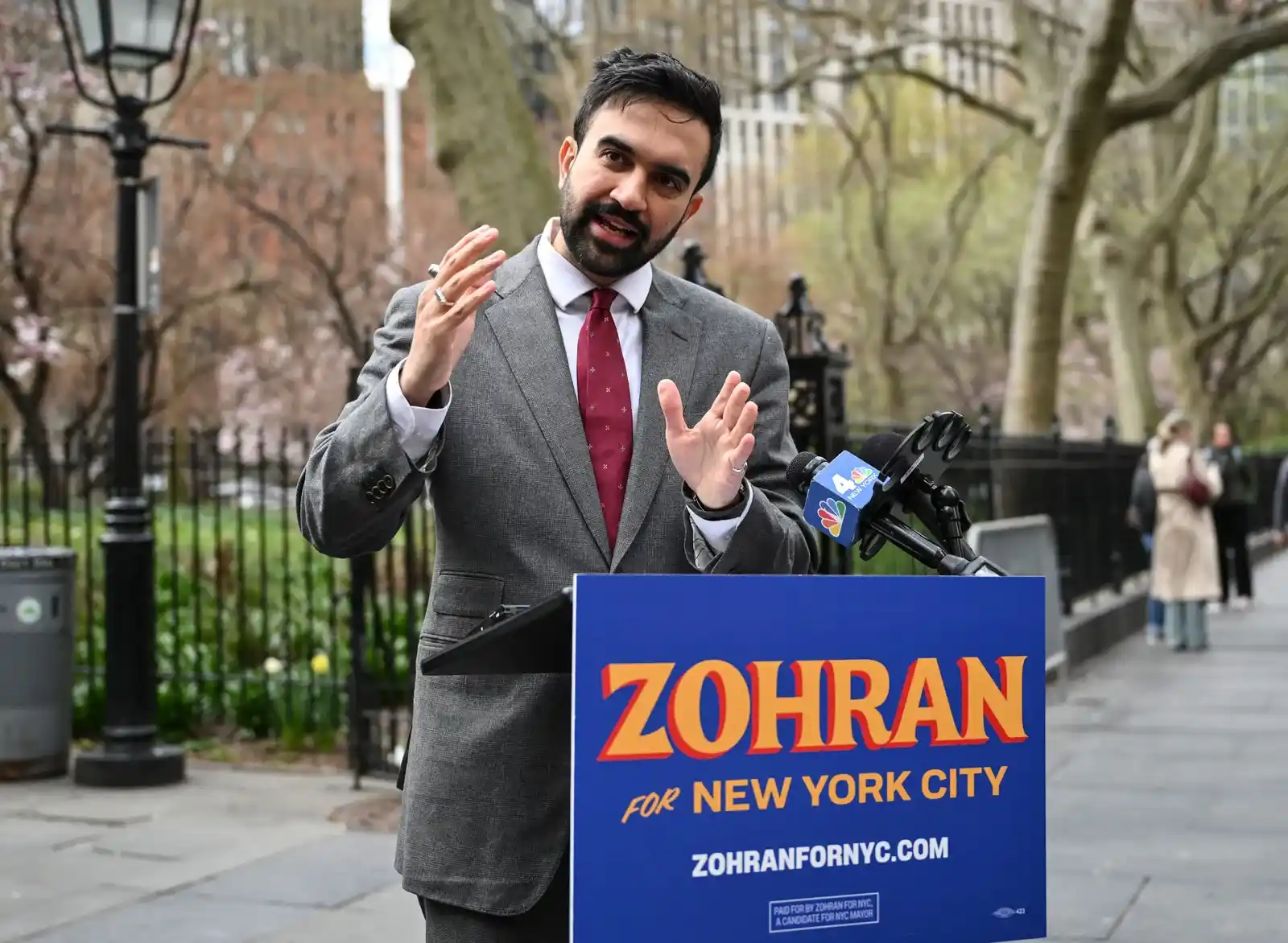
Zohran Mamdani
Zohran Mamdani

The price increase occurs despite the recent approval of the rent freeze by the Rent Guidelines Board, a policy promoted by Mamdani's administration for regulated rent apartments.

Vacant Apartments

However, the measure was a failure and even fueled the growing phenomenon of vacant units within that segment.

According to collected data, about 57,000 apartments with regulated rents remained unoccupied in 2025, which equates to a vacancy rate of 5.6%. The situation is largely explained by the fact that many owners choose to keep the homes off the market due to the inability to cover renovation costs in a context of frozen rents.

In this scenario, a large portion of these units are left unused, as owners cannot finance the necessary renovations to make them habitable, which reduces the available supply and puts upward pressure on prices in the rest of the market.