The Islamist Democratic congresswoman from Minnesota, Ilhan Omar, is facing new criticism and increasing scrutiny over inconsistencies in her financial disclosures and her indirect connection to the fraud scandal known as ''Feeding Our Future'', considered by U.S. authorities as one of the largest frauds linked to aid programs during the COVID-19 pandemic.
The controversy intensified after various reports pointed out a striking discrepancy in Omar's financial statements. According to the disclosed financial documents, the legislator reportedly went from declaring a net worth estimated between 6 and 30 million dollars in a certain period to later reporting assets valued at only between 18,000 and 95,000 dollars. The magnitude of the difference raised suspicions among Republican lawmakers, who are demanding more detailed explanations regarding the evolution of her personal finances.
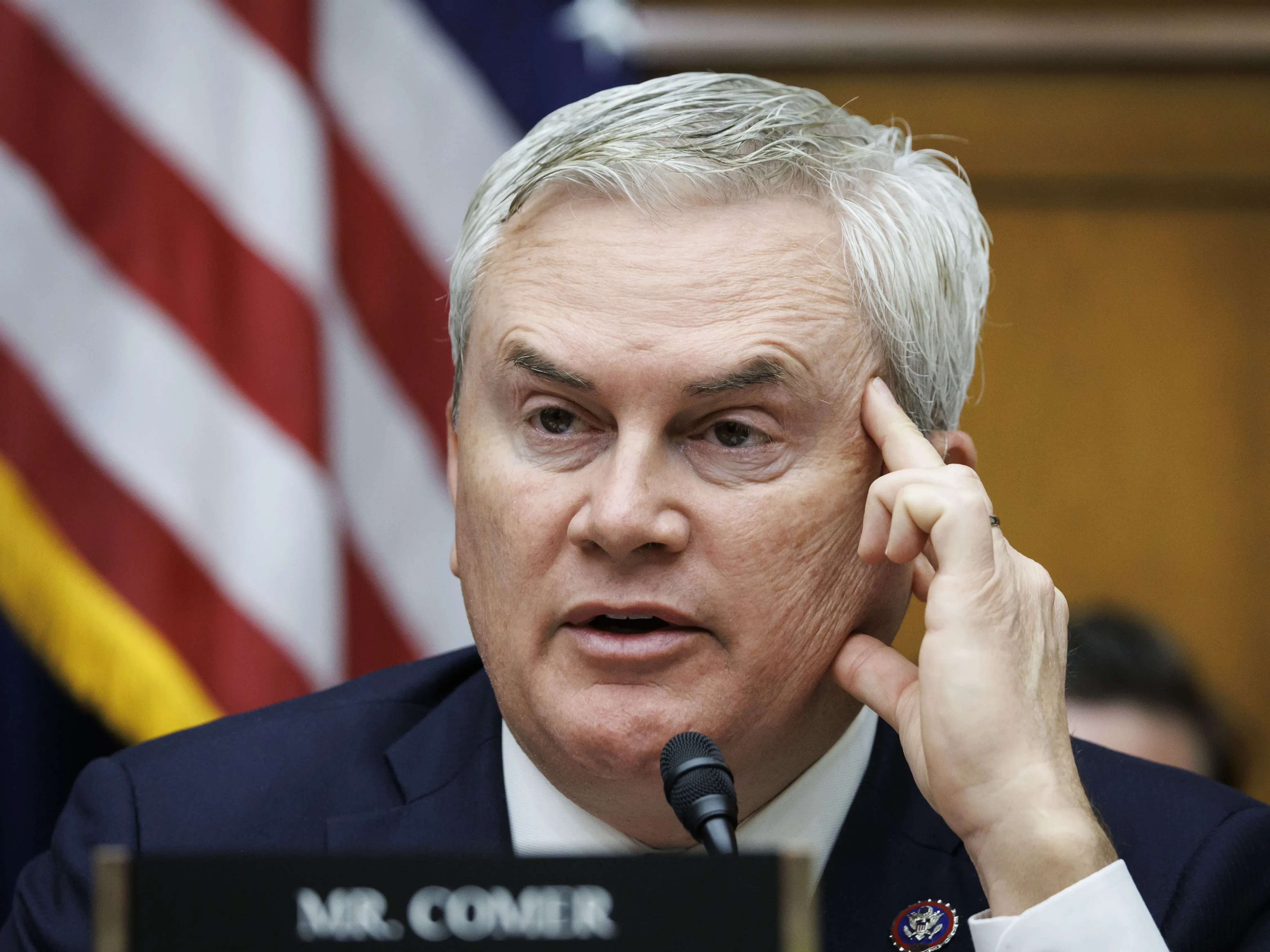
One of the main drivers of these investigations is James Comer, who has publicly expressed his interest in having the House Ethics Committee examine both Omar's financial disclosures and any possible link to the fraud scheme related to ''Feeding Our Future''.
The chairman of the Ethics Committee of the U.S. House of Representatives, James Comer, has thoroughly pushed for an investigation against Omar
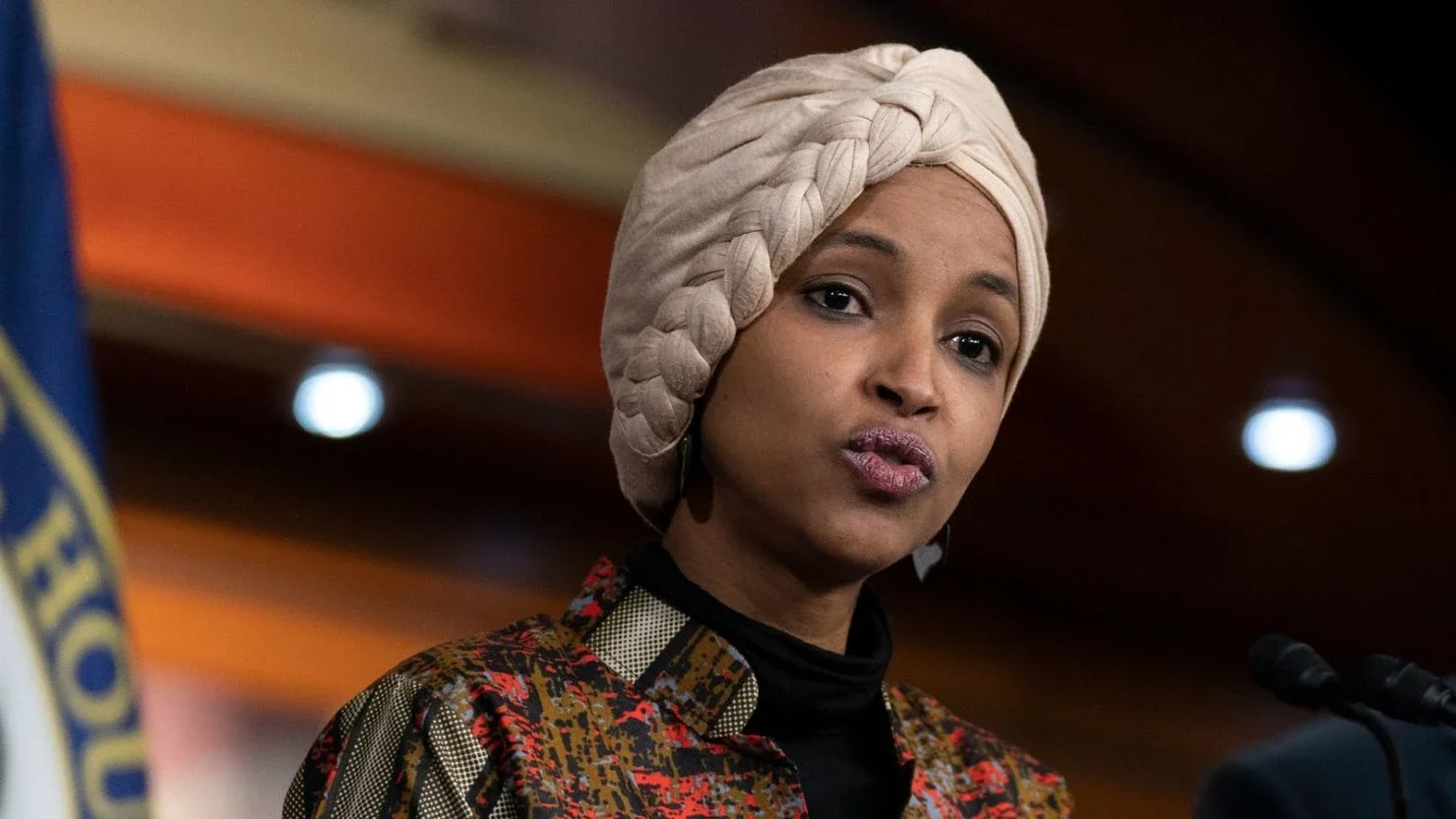
Despite the political pressure, Ilhan Omar has categorically denied reports of an alleged ongoing ethics investigation. When asked about the issue, the congresswoman denied being the subject of an Ethics Committee inquiry and responded mockingly to questions related to the reduction of her declared wealth. Her responses were interpreted by Republican critics as a sign of a lack of transparency regarding legitimate concerns about the accuracy of her financial reports.
Doubts have also been fueled by recent statements from U.S. Vice President, JD Vance, who stated that the Department of Justice would evaluate an investigation related to fraud allegations involving the congresswoman within the framework of a new task force dedicated to combating fraud in federal programs.
The ''Feeding Our Future'' case has become one of the largest corruption scandals linked to emergency funds distributed during the pandemic. According to federal prosecutors, the nonprofit organization used programs intended to provide food to needy children to divert approximately 250 million dollars of public resources. Authorities described the case as the largest fraud related to COVID-19 aid discovered in the United States.
The Islamic deputy has denied the accusations against her and even mocked those who asked about the case
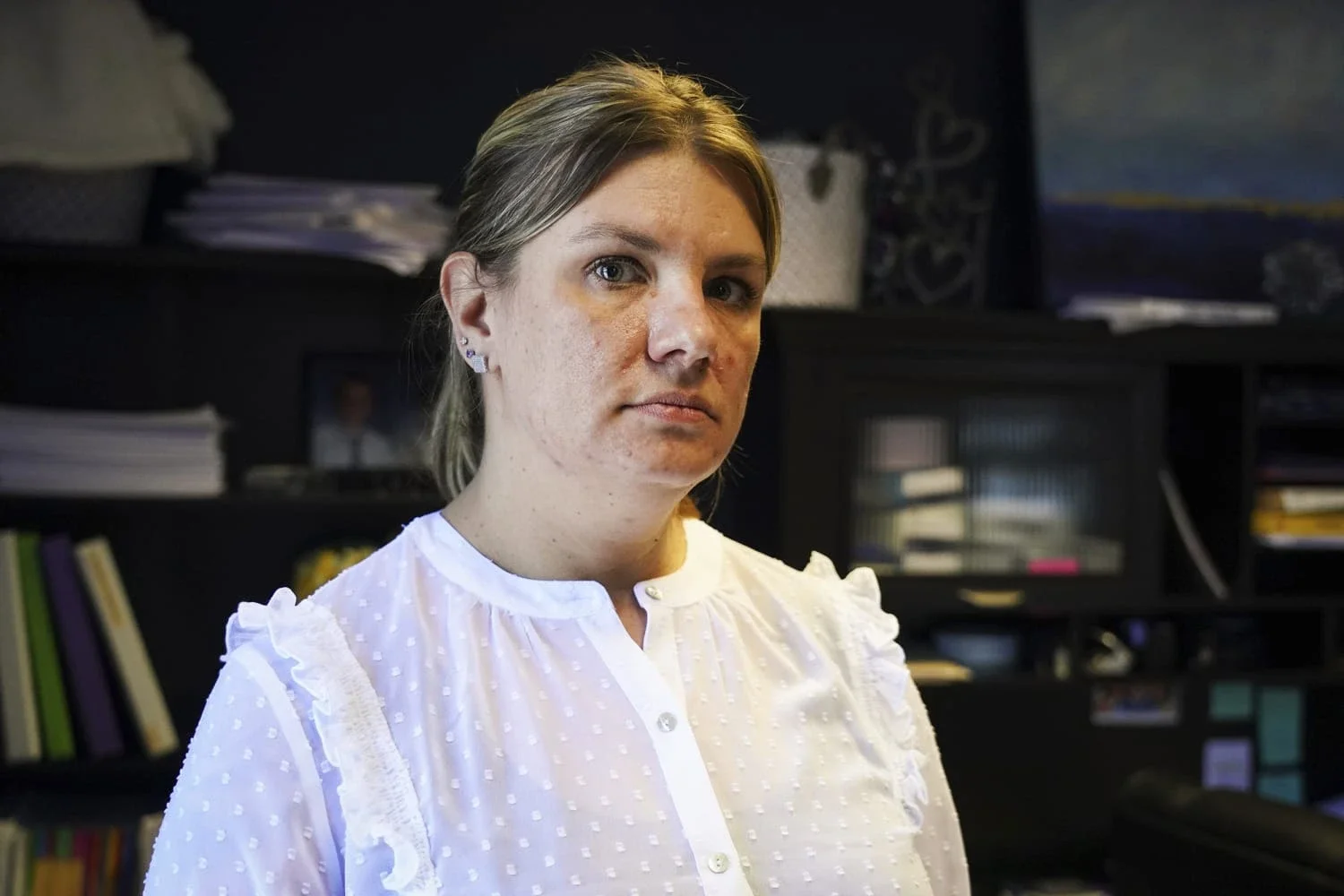
The main person responsible for the scheme, Aimee Bock, was sentenced to 42 years in prison for her central role in organizing the fraudulent plot. The magnitude of the case has led numerous Republican leaders to call for additional political accountability and to examine whether certain legislative decisions facilitated conditions for the fraud to thrive.
In this context, Republicans have turned their attention to the so-called ''MEALS Act'', an initiative promoted by Omar during the pandemic. Her detractors argue that the legislation significantly expanded the regulatory exemptions of the Department of Agriculture and weakened certain oversight mechanisms intended to prevent abuses in government-funded food programs. According to this interpretation, such relaxations would have contributed to creating a more vulnerable environment to fraud.
Ilhan Omar has rejected these accusations and maintains that the specific implementation of the programs fell under the Department of Agriculture during the federal administration. However, her explanations have not managed to dispel the criticisms from her political opponents or from the American public, who continue to demand a thorough investigation into her personal finances and any possible connection to the scandal.
The person responsible for the scheme under which Ilhan Omar will be investigated has been sentenced to 42 years in prison for fraud