The United States intensified its military campaign against Iran on Wednesday with a second consecutive day of bombings, a decision backed by President Donald Trump and his administration as a necessary response to protect U.S. strategic interests and restore deterrence against Tehran's growing aggressions.
The U.S. Central Command (Centcom) reported that operations began at 5:15 PM Washington time, continued throughout the afternoon and night, and were directed against multiple Iranian military targets. According to U.S. command, the attacks constitute self-defense actions against the hostile behavior of the Iranian regime, which in recent days shot down a U.S. Apache helicopter and launched missiles and drones at U.S. military installations in several Middle Eastern countries.
Explosions were reported by Iranian media in areas near the strategic Strait of Hormuz, one of the world's most important maritime routes for oil and gas transport. Local sources confirmed impacts in the towns of Qeshm, Kargan, and Sirik, where air defense systems were also activated.
The new offensive came just a day after Washington attacked Iranian facilities in retaliation for the downing of a U.S. helicopter near the strait. For the White House, the military response aims to make it clear that any aggression against U.S. forces will have immediate and severe consequences.
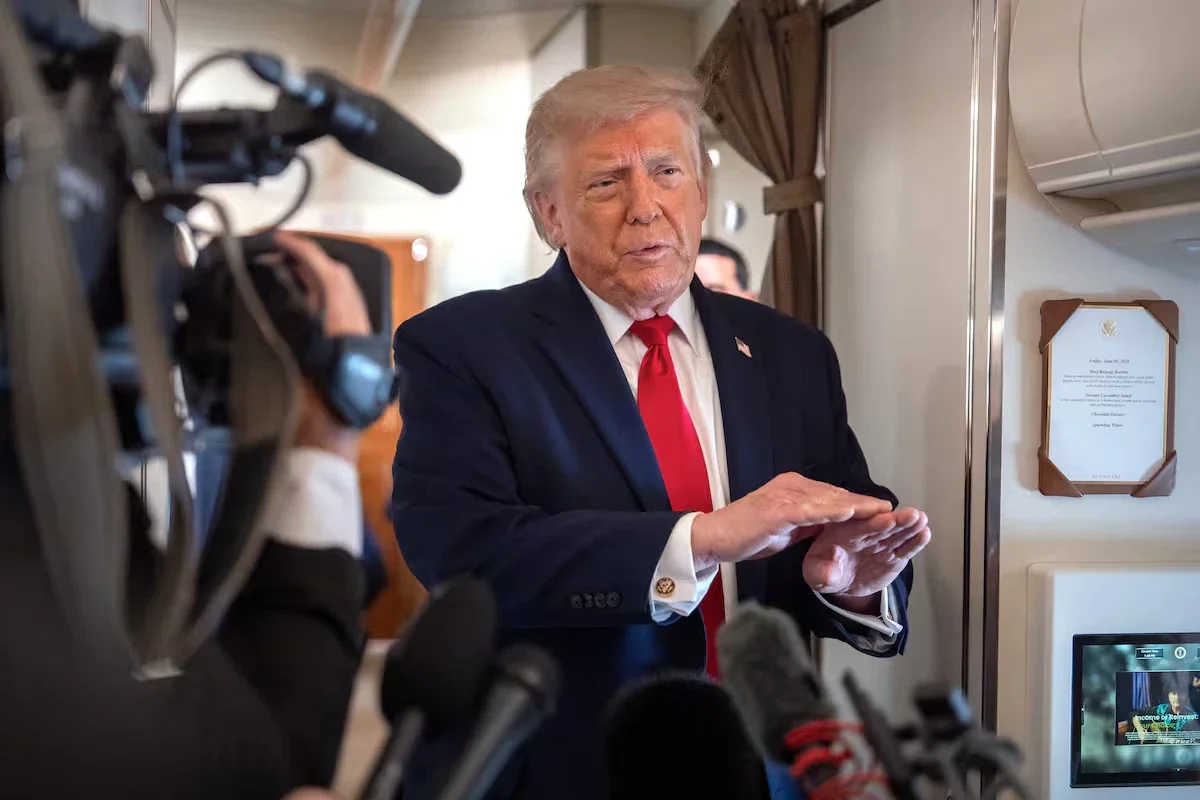
President Donald Trump authorized new attacks against Iranian infrastructure following the breakdown of the ceasefire by the Iranian regime
Secretary of War Pete Hegseth defended the Trump administration's strategy and suggested that operations could continue if Iran maintains its defiant stance. During a visit to Centcom in Florida, he stated that the United States is willing to employ all necessary instruments of power to protect its national interests.
''We will hit them hard tonight, and we hope Iran makes a good decision,'' Hegseth declared. The official maintained that the combination of military pressure and diplomacy seeks to create more favorable conditions for reaching an agreement that guarantees regional stability and the security of Washington's allies.
Trump also adopted a firm tone when referring to the situation. The president accused Iranian negotiators of deliberately delaying talks and asserted that the United States will not allow Tehran to use dialogue as a tool to buy time while continuing to promote hostile actions in the region.
''We hit them hard yesterday. We will hit them hard today,'' the president stated to reporters at the White House, reiterating that the priority of his administration is to protect U.S. troops and preserve freedom of navigation in one of the planet's most important energy routes.
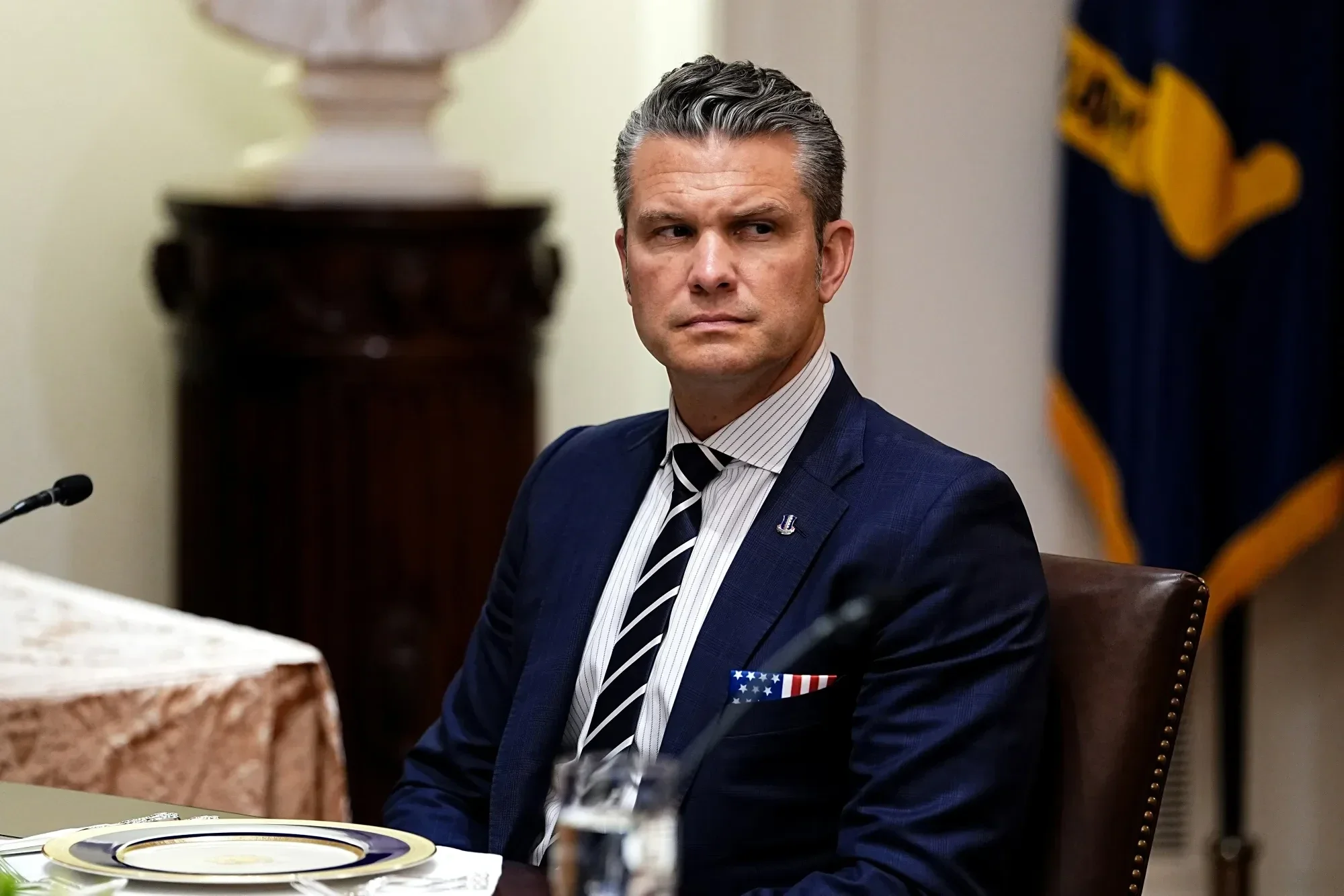
The Secretary of War Hegseth assured that the bombings against the terrorist regime of Jamenei could continue until Iran signs a peace agreement
Iranian authorities reacted with new threats. The chairman of the Iranian parliament's national security committee, Ebrahim Azizi, warned that the conflict could extend beyond the Middle East, while military sources cited by state media claimed that Iranian forces are prepared to attack new U.S. targets.
However, from Washington, the firmness demonstrated by Trump aims precisely to avoid a greater escalation in the long term. U.S. officials argue that allowing attacks against American military personnel without response would only encourage further aggressions and weaken the strategic credibility of the United States in the eyes of its adversaries.
Despite the military escalation, diplomatic channels remain open. A delegation from Qatar arrived in Tehran to continue mediation efforts between both parties. The White House confirmed that talks are ongoing, although it insisted that military and economic pressure will continue until Iran demonstrates a real commitment to de-escalation and respect for international norms.
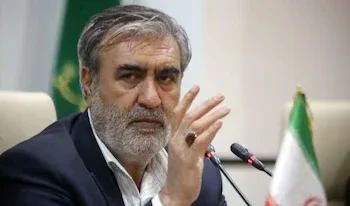
A member of the Iranian parliament threatened to extend the conflict beyond the borders of the Middle East
Meanwhile, the regional conflict continues to expand. Clashes between Israel and the terrorist group Hezbollah in southern Lebanon continue to cause casualties and raise tensions. Iran maintains demands considered unacceptable by Washington and its allies, including the lifting of sanctions and strategic concessions regarding the Strait of Hormuz.
In this context, the Trump administration asserts that a firm stance is the only way to contain the Iranian regime's regional ambitions and ensure the security of the United States, its allies, and international trade.