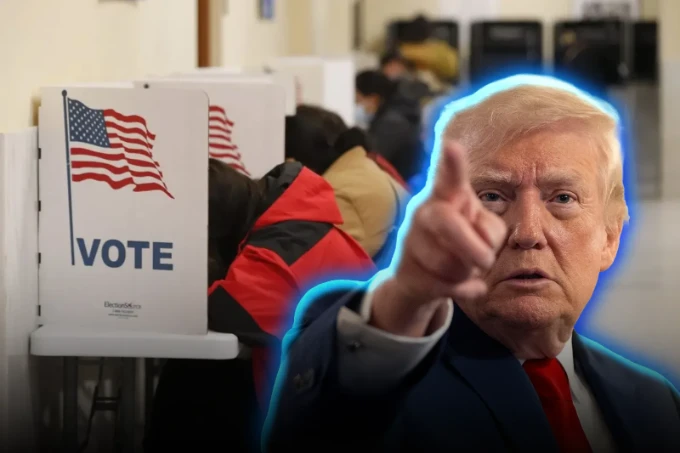
The US government linked federal funds to compliance with new electoral security measures and is calling for the approval of the "SAVE Act" to require proof of citizenship when voting
The administration of Donald Trump intensified its offensive to reinforce electoral security in the United States by warning that states refusing to cooperate with the new requirements pushed by the federal government could lose public funds.
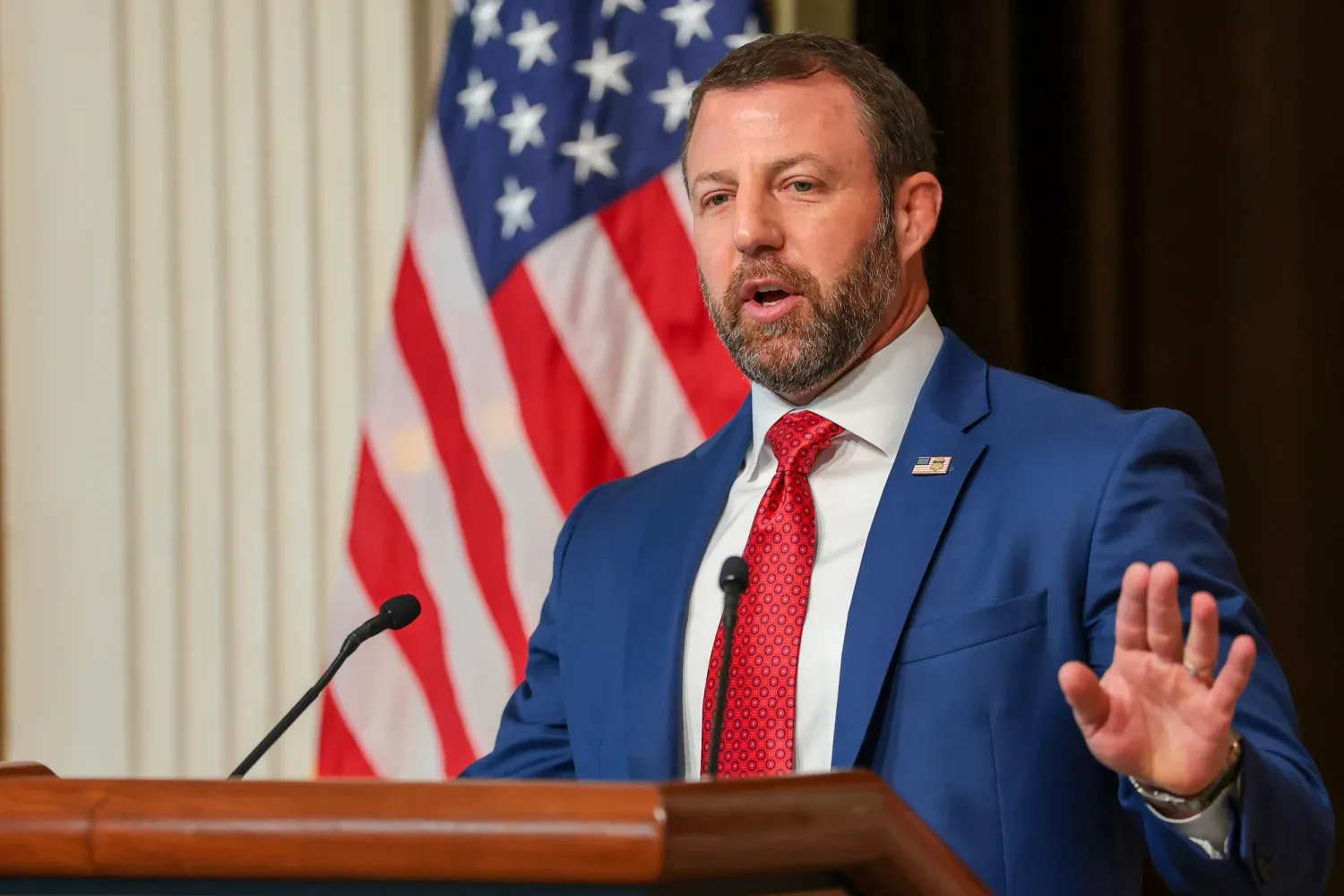
Additionally, the Secretary of Homeland Security, Markwayne Mullin, stated that election officials who ignore information provided by the Department of Homeland Security (DHS) could face fines, penalties, and even prison sentences, depending on the severity of their actions.
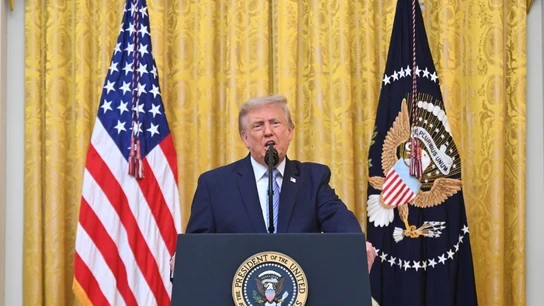
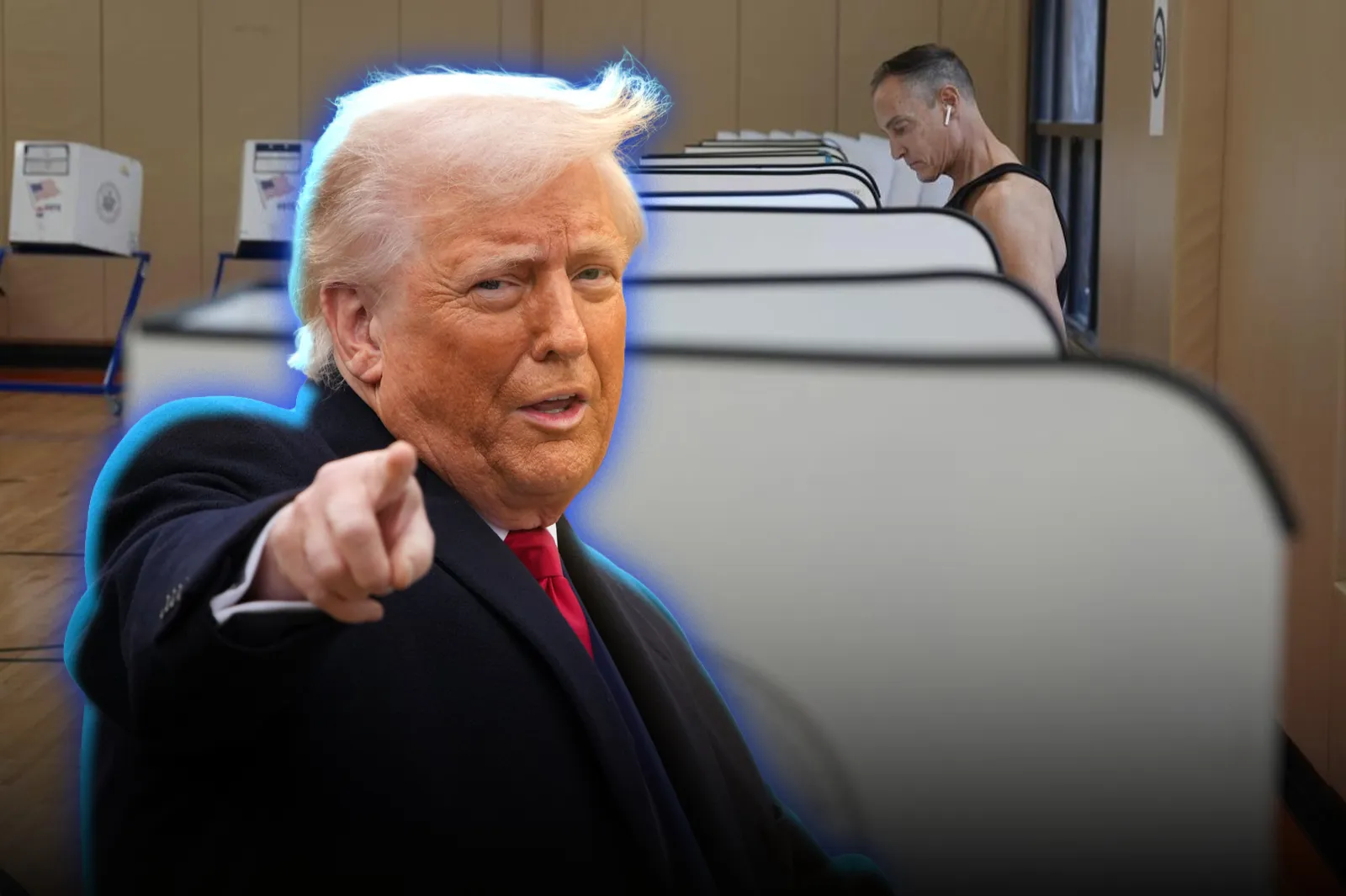
Mullin's statements came during a press conference held a day after President Trump's speech on the need to ensure free and fair elections. In that address, the president announced the declassification of intelligence information that reveals shocking vulnerabilities related to potential cyberattacks, exploitation of electoral systems, and foreign interference.
The Donald Trump administration announced a boost in electoral security and urged states to comply with the law
For the Trump administration, protecting the electoral process is a national priority. Mullin stated that the federal government is providing states with tools and information aimed at strengthening their voting systems and detecting potential irregularities. In this context, he assured that those electoral officials who, despite receiving these resources, choose not to act to correct vulnerabilities could be held accountable for the consequences.
Although the secretary did not specify what legislation could be applied or what the specific charges would be in a potential judicial process, he insisted that public officials have the obligation to protect the integrity of the electoral system when they have sufficient information to do so.
One of the main instruments promoted by the DHS is the expansion of the SAVE program, which allows electoral authorities to compare voter records with federal immigration databases to identify potential registrations of ineligible individuals. Currently, 23 states participate in this initiative, while others, including Mississippi, North Dakota, and West Virginia, remain outside the program.
The U.S. Secretary of Homeland Security announced that the federal government is working with the states to carry out a modernization and strengthening of the electoral system
Mullin publicly questioned the states that have not yet joined the federal verification system and asserted that they should explain to their citizens the reasons for that decision.
''Every state that does not participate with us should answer a very simple question: why not? What do they have to hide?'', the secretary stated. In his view, cooperation between state governments and the federal executive should not be interpreted as a partisan issue, but as a basic measure to protect citizens' trust in elections.
The DHS also announced new electoral security conditions for beneficiaries of the National Security Grant Program administered by FEMA. According to Mullin, the receipt of certain federal funds will be conditioned on meeting minimum standards aimed at strengthening electoral infrastructure against internal and external threats.
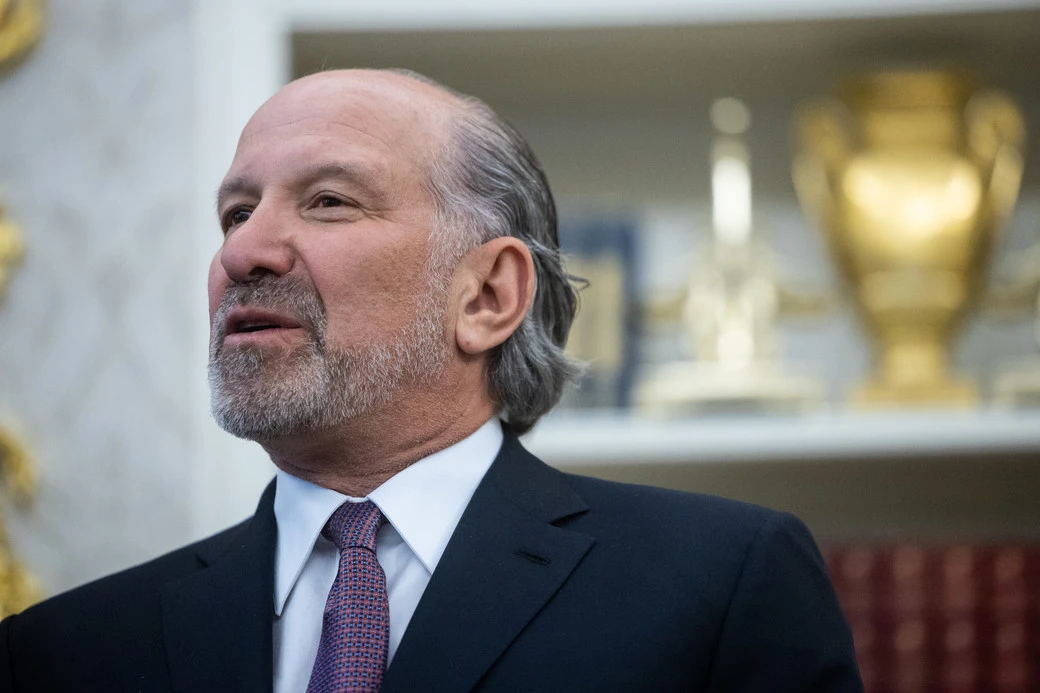
Furthermore, the secretary explained that he is working alongside the Secretary of Commerce, Howard Lutnick, on new technological and security requirements that will complement these measures. Meanwhile, the Cybersecurity and Infrastructure Security Agency (CISA) will publish an updated version of its national strategy to protect electoral infrastructure within the next 30 days.
The Department of Homeland Security is working hand in hand with the Department of Commerce to achieve the goal of safer elections
Another notable announcement was the revelation that the Department of Homeland Security identified around 250,000 voter records in California, New Jersey, Nevada, and Pennsylvania that, according to the agency's preliminary assessment, belong to individuals who are not U.S. citizens. The Republican administration believes that these findings justify the need to expand checks between state voter rolls and federal databases to prevent unauthorized individuals from appearing on electoral rolls.
Mullin reiterated that all states should adhere to the DHS security program to facilitate information sharing and strengthen the detection of potentially irregular records. He stated that the federal government is willing to collaborate with all state administrations to ensure safer and more transparent electoral processes.
On the legislative front, the secretary again called on Congress for the immediate approval of the SAVE America Act, an initiative backed by President Trump that would require documentary proof of citizenship to register as a voter in federal elections and establish the mandatory presentation of a photo ID when casting a ballot.
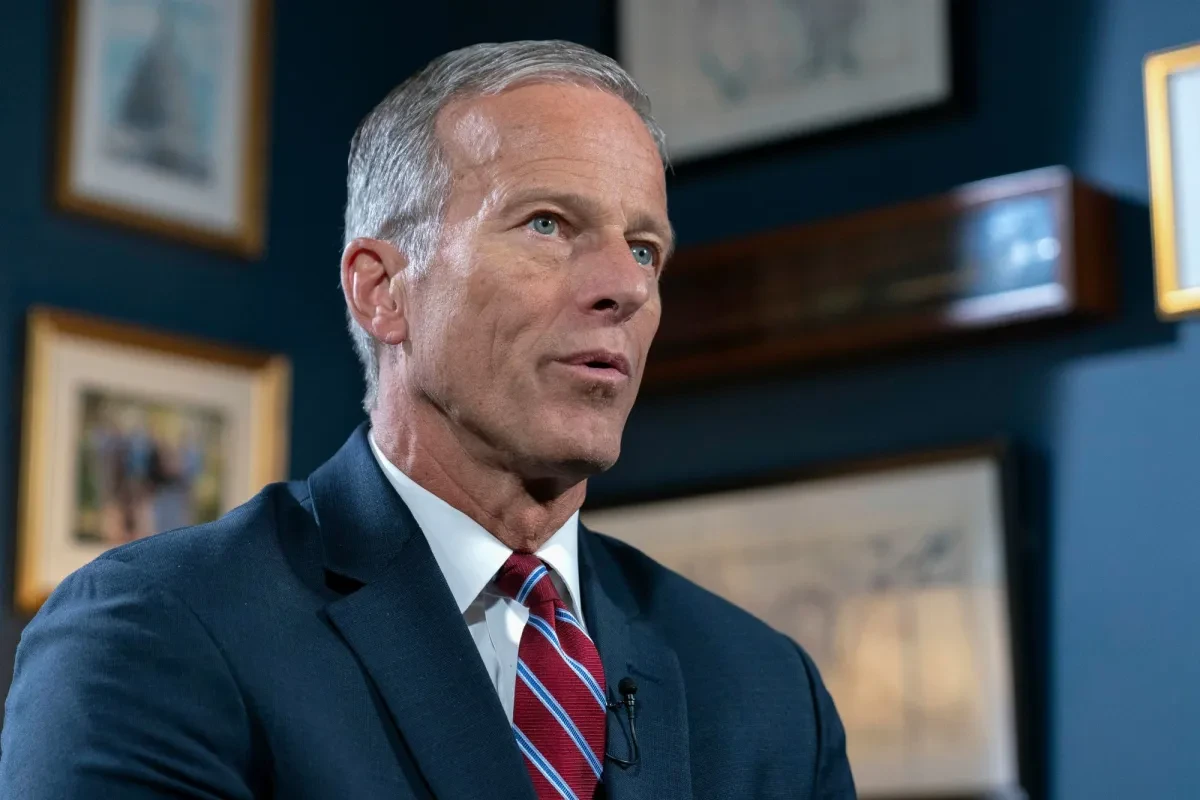
The leader of the Republican majority in the Senate stated that they do not yet have the necessary votes to pass the legislation supported by President Trump
Mullin stated that the proposal should be approved ''immediately'', arguing that it would reinforce public trust in the electoral system and provide greater guarantees against potential irregularities.
However, the future of the project remains uncertain in the Senate. The Republican majority leader, John Thune, acknowledged that currently his party does not have the 60 votes necessary to overcome a potential filibuster by the Democrats, which complicates the advancement of the initiative despite the strong support from the White House.