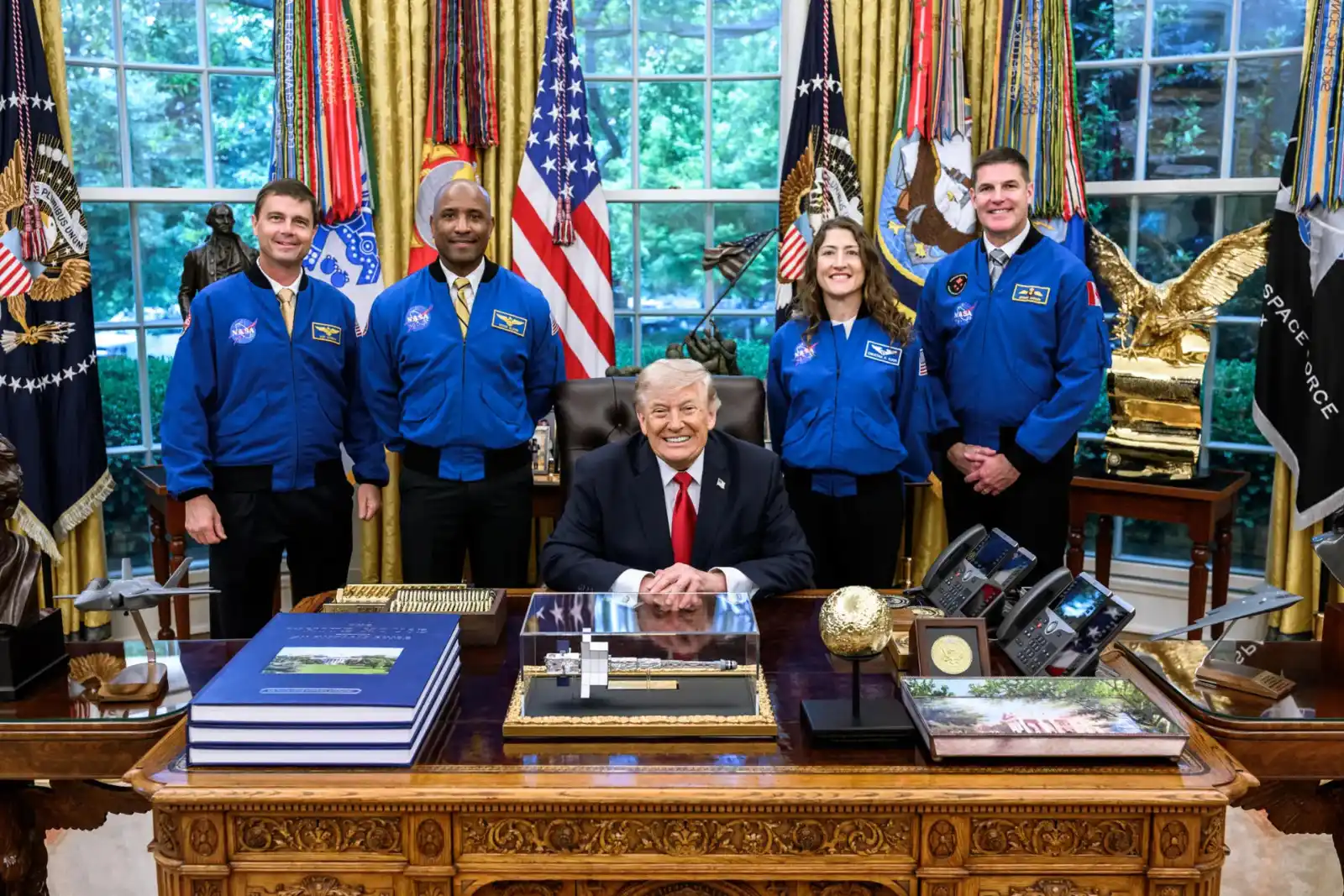
President Donald Trump will award the Congressional Space Medal of Honor to four astronauts who made history by traveling farther from Earth than any human before them. The ceremony will take place on August 28 at NASA's Johnson Space Center in Houston, and will recognize American astronauts Reid Wiseman, Victor Glover, and Christina Koch, along with Canadian Jeremy Hansen.
The four astronauts were part of Artemis II, the historic mission that took a crew aboard the ''Orion'' spacecraft for the first time and marked the return of American astronauts to the vicinity of the Moon after more than half a century. The journey not only represented a significant technological advancement but also set a new distance record for crewed spaceflights.
During the mission, the crew reached 252,756 miles from Earth, surpassing the record of 248,655 miles set by the Apollo 13 astronauts in 1970. In total, the four traveled about 695,081 miles over nearly 10 days, while testing the Orion systems and gathering crucial information for the next stages of the Artemis program.
President Donald Trump will present the Congressional Space Medal of Honor to the Artemis II astronauts
Artemis II launched on April 1 from the Kennedy Space Center in Florida, powered by the ''Space Launch System'' rocket. The launch generated approximately 8.8 million pounds of thrust and initiated a mission designed to verify the operation of Orion and prepare for future lunar expeditions.
After verifying the spacecraft's systems in space, the crew began the journey to the Moon. On April 6, Orion performed a flyby about 4,067 miles from the lunar surface before starting the return to Earth.
During the journey, the astronauts captured over 7,000 images, including photographs of Earth, the lunar surface, craters, ancient lava flows, and phenomena such as a solar eclipse observed from the spacecraft. They also reported flashes associated with meteoroid impacts on the lunar night side.
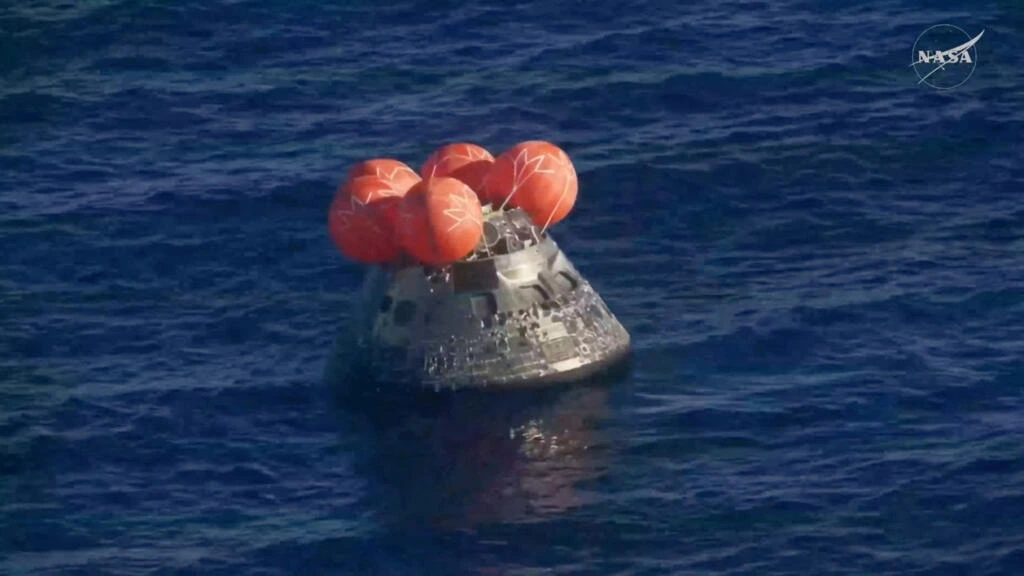
Orion returned to Earth on April 10, entering the atmosphere at approximately 25,000 miles per hour before splashing down in the Pacific Ocean off the coast of California. The mission allowed NASA to gather essential data about the spacecraft and the risks astronauts will face in future expeditions farther from our planet.
The Artemis II mission was vital for gathering data on the risks that astronauts could face in future expeditions
NASA Administrator Jared Isaacman emphasized that the crew accepted considerable risks while testing systems intended to transport other astronauts into deep space. According to Isaacman, the success of Artemis II demonstrated that the United States has the necessary capability to advance to a new stage of space exploration.
The distinction the astronauts will receive also holds historical significance. The Congress created the Space Medal of Honor in 1969, during the Apollo era, to recognize astronauts who have made exceptionally meritorious contributions to the welfare of the United States and humanity.
The medal has been awarded only to a very small group of astronauts. The official list includes 30 recipients, among them some of the most significant figures in American space history, such as Neil Armstrong, John Glenn, Alan Shepard, and Jim Lovell, commander of Apollo 13.
The NASA administrator highlighted the capability that the United States has to advance to the next stage of space exploration
The recognition announced by Trump comes as his administration seeks to consolidate a new phase of the Artemis program. NASA plans to advance with Artemis III, which includes tests related to commercial lunar landing systems, while Artemis IV is projected as the mission that will allow American astronauts to walk on the Moon again.
The program also has a long-term goal: to establish a sustained human presence on the Moon and use lunar operations as preparation for future crewed missions to Mars. This strategy aims for the United States not only to replicate the success achieved during the Apollo program but also to build a permanent infrastructure for space exploration.
Isaacman stated that, under Trump's leadership, Artemis II captured international attention, inspired a new generation, and provided the confidence needed to continue the American return to the Moon. The NASA administrator also noted that the next major step will be to take astronauts back to the lunar surface and subsequently advance toward Mars.
The ceremony on August 28 will therefore have a dual significance. Trump will officially recognize the four astronauts who set a historic distance record, while the administration will use the event to highlight American leadership in space exploration and its goal of keeping the United States at the forefront of the race to the Moon and, ultimately, Mars.
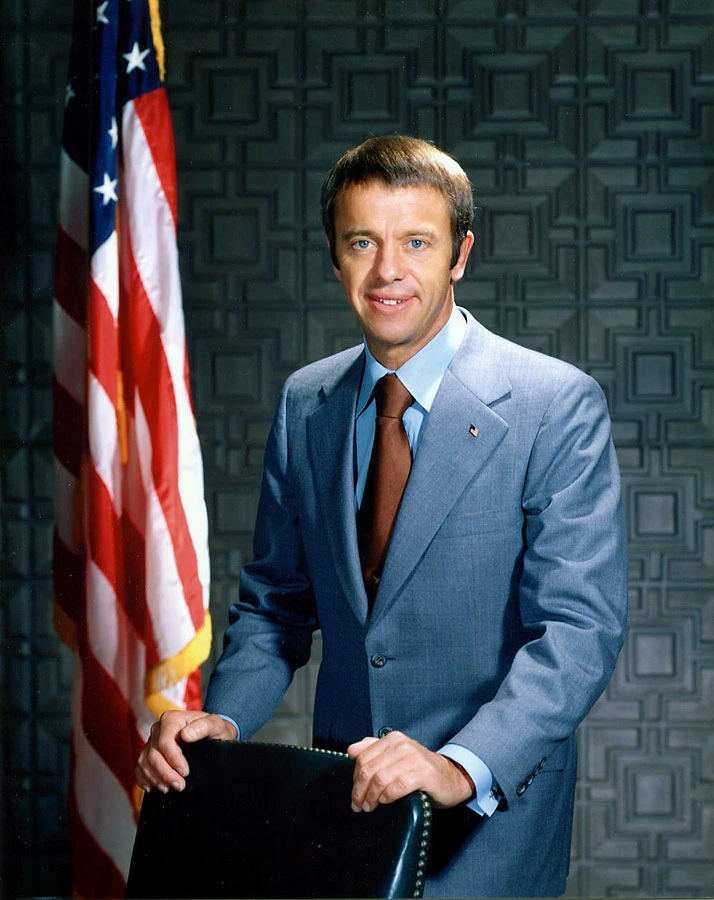
Alan Shepard, the first American in space and a member of the Apollo 14 mission, is one of the historic recipients of the medal