The results began to be observed quickly. According to official data, the number of active blockades significantly decreased after the measure came into effect, and several social groups decided to temporarily suspend their protests or initiate talks with the Government.
The Legislative Assembly of Bolivia approved the declaration of a state of emergency decreed by President Rodrigo Paz, granting political and legal support to the measures adopted to clear the roads that had been blocked for weeks in various regions of the country. The decision was approved with more than two-thirds of the votes during an extensive parliamentary session held in the early hours of Sunday.
The resolution ratifies Supreme Decree 5636, signed by Paz on June 20, through which the Government declared a state of emergency due to internal turmoil to address the crisis generated by the blockades by supporters of Evo Morales, which had caused serious supply problems for food, fuel, and medicines in several Bolivian cities.
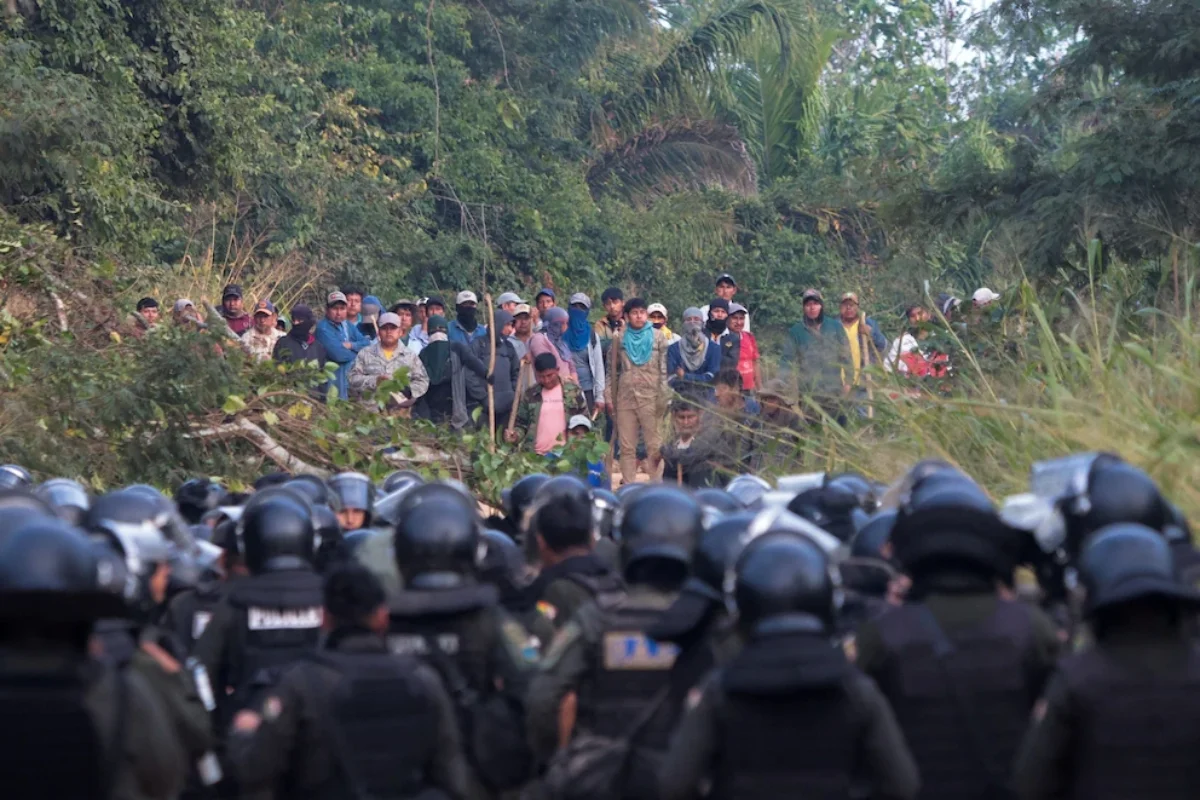
Bolivian security forces confronting the evistas
The parliamentary approval represents a significant political victory for the president. For weeks, the blockades by supporters of former dictator Evo Morales had brought the country to the brink of a humanitarian and economic crisis, affecting the operation of hospitals, schools, industries, and transportation systems.
The state of emergency allows for broader participation of the Armed Forces in support tasks for the Police to ensure free movement and protect strategic infrastructures. Additionally, it establishes extraordinary mechanisms to clear routes and restore essential services in the areas most affected by the protests.
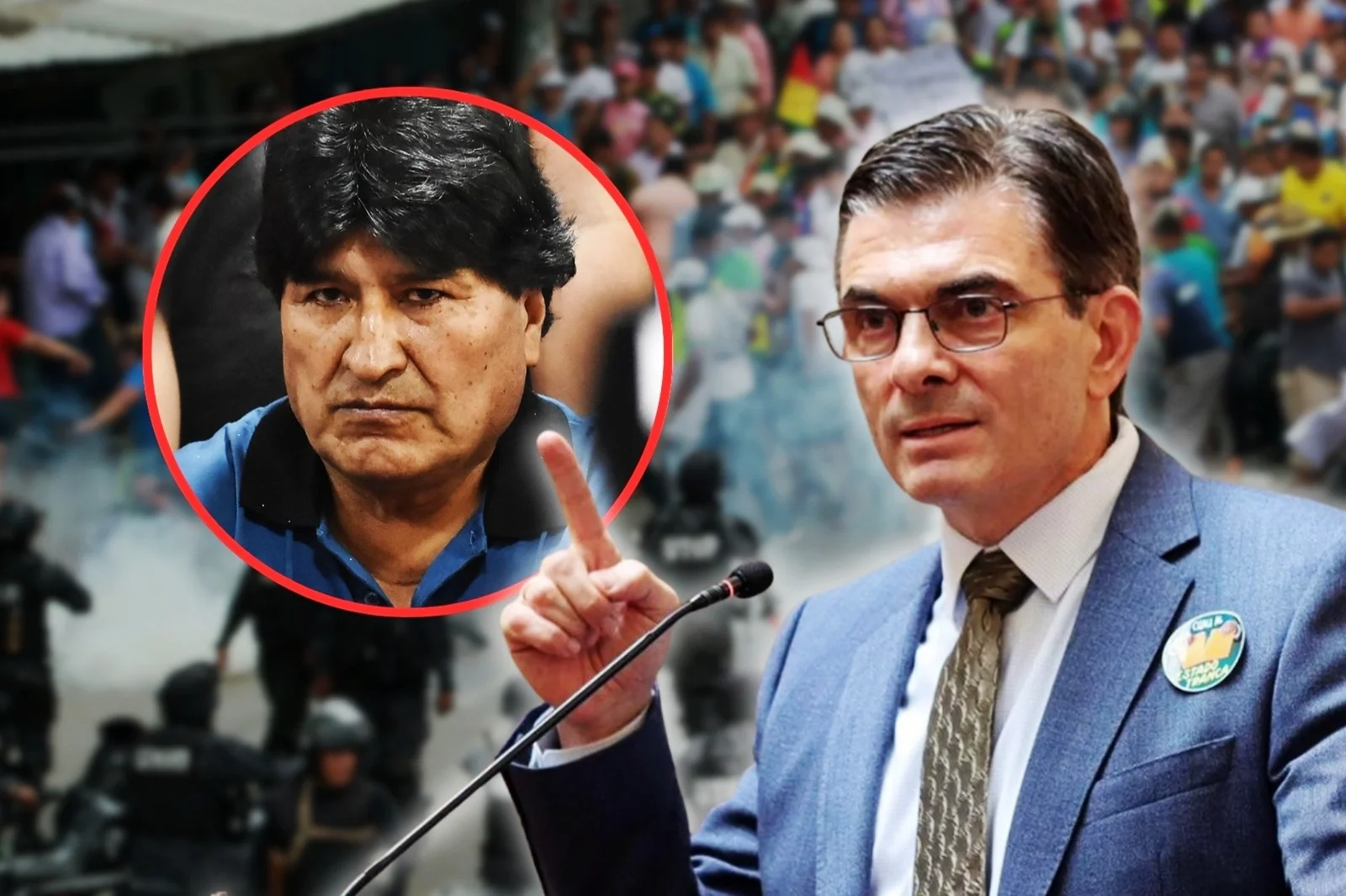
The vote also constitutes a setback for sectors linked to Evo Morales, who for weeks pushed for mobilizations and demanded the resignation of Rodrigo Paz. The Assembly's support reinforces the institutional legitimacy of the president and demonstrates that there is a political majority in favor of restoring order and ensuring circulation throughout the national territory.
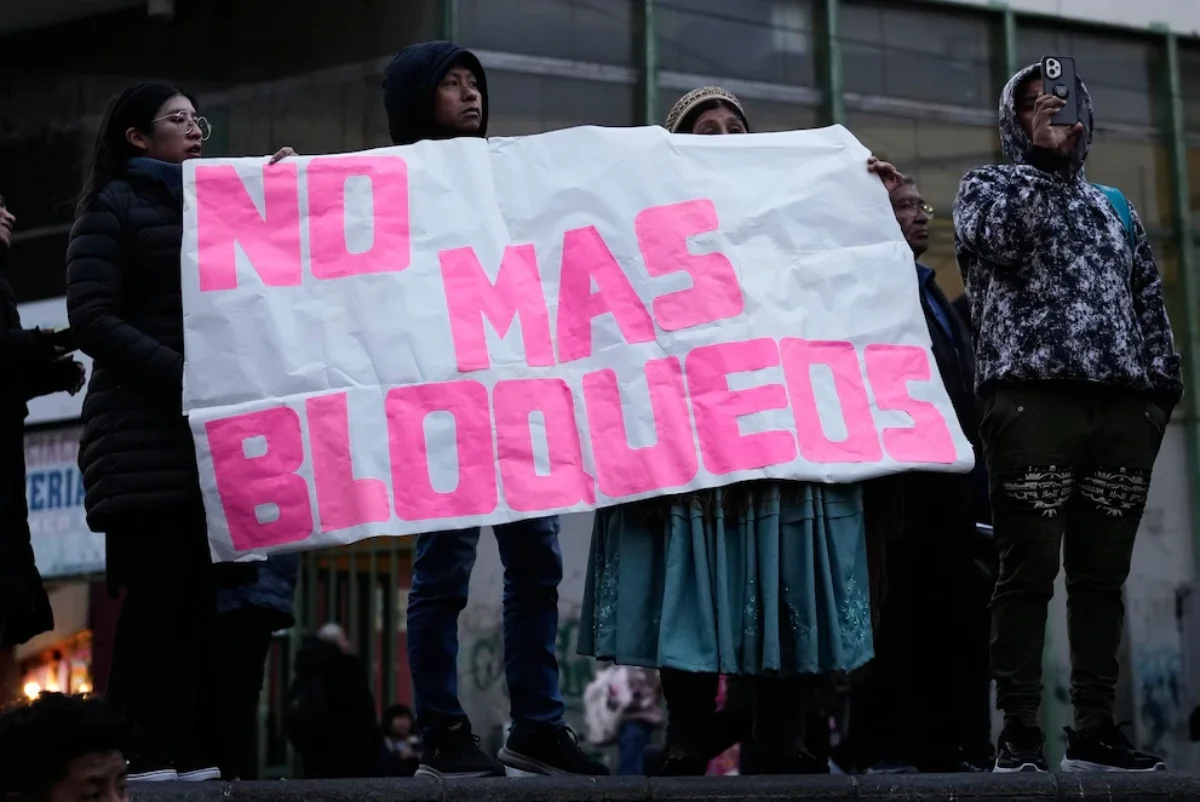
Bolivians protesting against the Evo Morales blockades
For the Government, the parliamentary decision confirms that attempts to force Paz's departure through blockades and street pressure did not achieve their objective. On the contrary, the Executive obtained formal support from the Legislative Power to implement exceptional measures and advance in normalizing the country.
Although some focal points of tension still persist, especially in areas where Evo Morales retains political influence, the approval of the state of emergency is seen by the ruling party as a decisive step to regain control of the routes, ensure supply, and stabilize the political situation in Bolivia.