The tightening of measures responds to the U.S. strategy of reducing the resources available to the Iranian regime, restricting its ability to finance its activities and sustain its regional economic networks. Controlling the Iraqi borders represents an important tool to close possible avenues for evading sanctions.
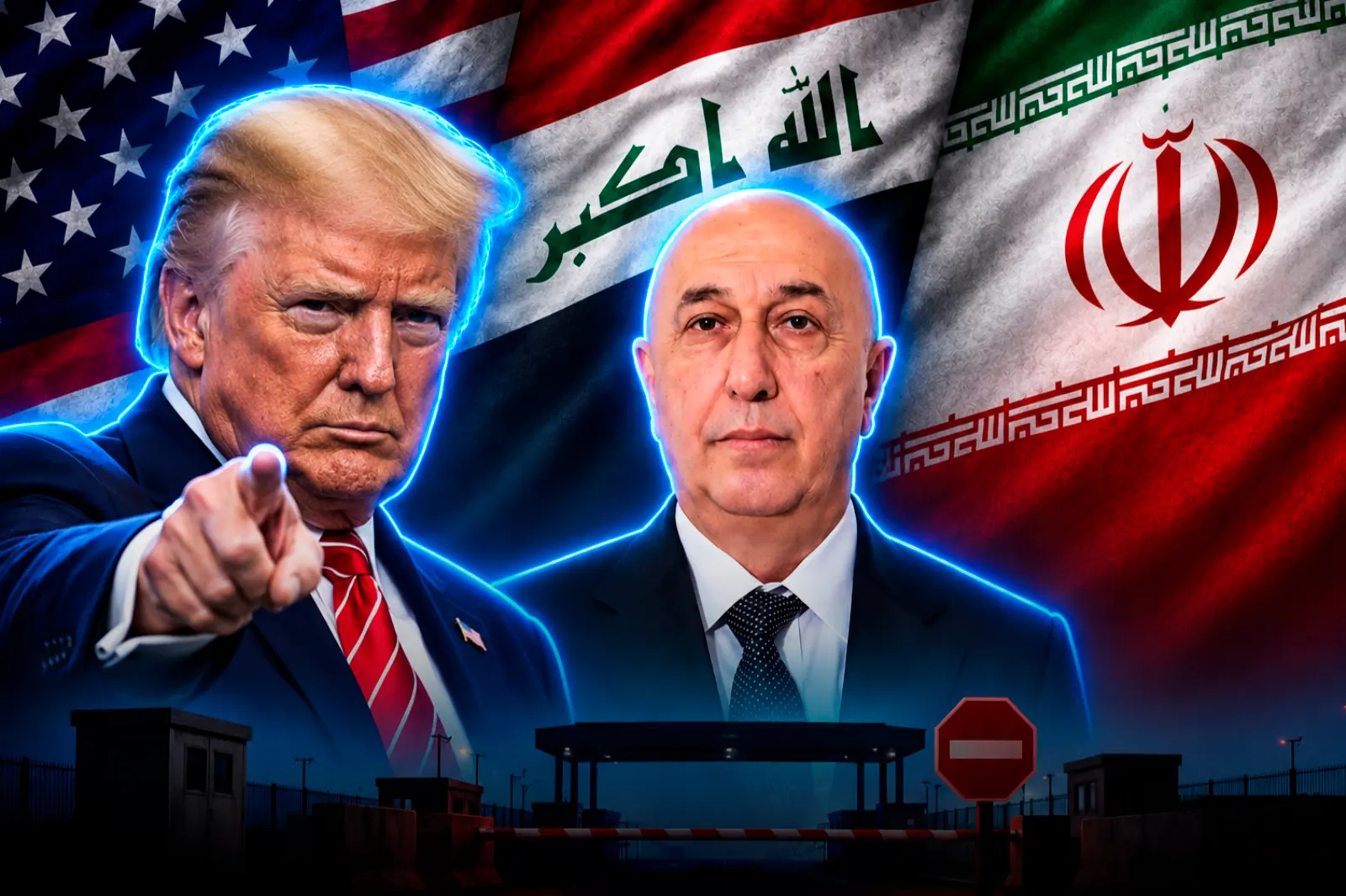
The United States has intensified its strategy to economically suffocate the Iranian regime and demands that Iraq close practically all border crossings with its neighbor, a measure aimed at reducing the routes used by Tehran to maintain its trade exchanges and evade international sanctions.
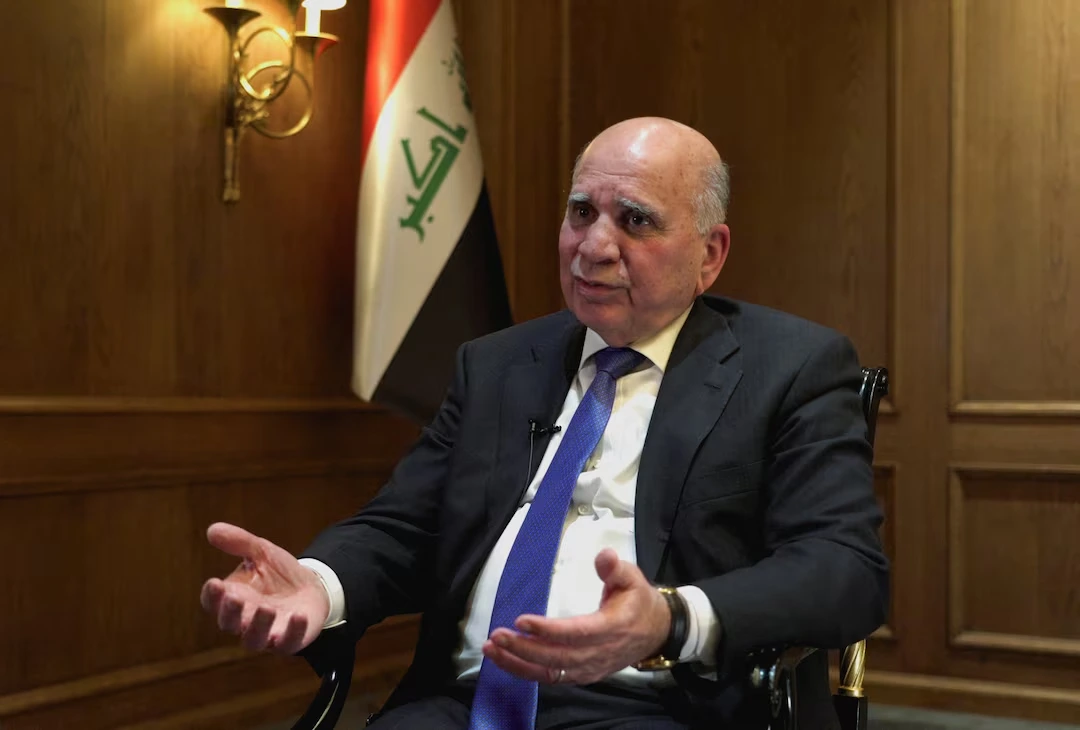
The Iraqi Foreign Minister, Fuad Hussein, confirmed that the U.S. Treasury Department requested the closure of all border crossings with Iran, except for two points, one of which is located in the Iraqi Kurdistan region. The demand is part of Washington's efforts to increase economic pressure on the Islamic dictatorship and limit its sources of income.
In an interview, Hussein acknowledged that the Iraqi government is still in talks with U.S. authorities, although he warned that complying with the request could create economic difficulties for his country.
''There are many official and unofficial border crossings with Iran, and closing them all would be difficult and would affect our economy. The Americans continue to demand the closure of the crossings, and we are currently in discussions with them,'' the chancellor stated.
The United States Department of the Treasury asked the Iraqi government to close most of the border crossings with Iran.
The U.S. initiative targets a fundamental aspect of Iran's ability to sustain its economic activity despite sanctions: its trade connections with neighboring countries. Iraq shares an extensive border with Tehran and constitutes an important route for the movement of goods, people, and financial resources.
The existence of numerous official crossings and informal routes also complicates the oversight of trade operationsand opens opportunities for smuggling and evasion of restrictions. For this reason, Washington seeks to have Baghdad strengthen controls and eliminate transit points that could facilitate economic activities benefiting Tehran.
The Foreign Minister of Iraq assured that they are still holding talks with the United States authorities
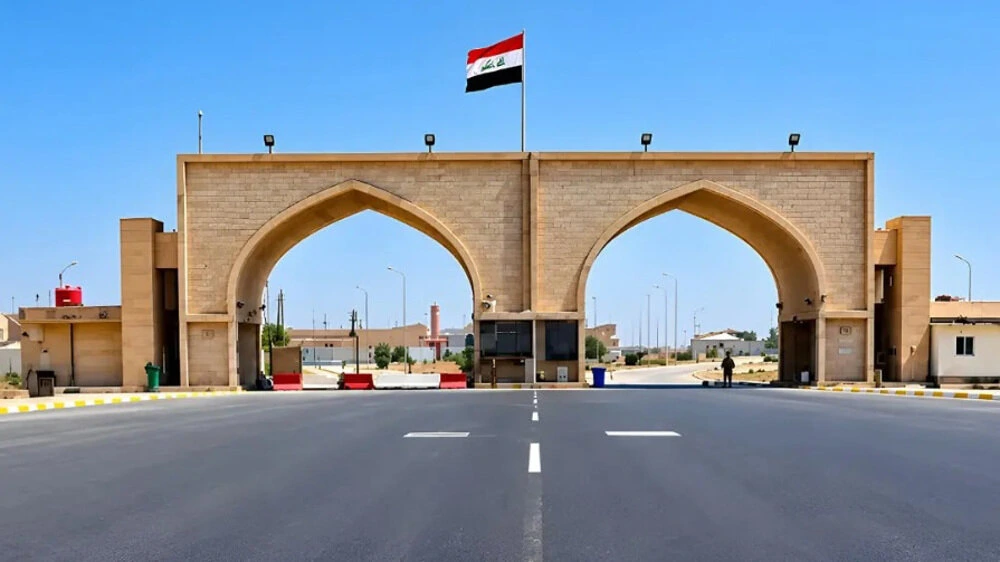
Washington's pressure has already produced some concrete consequences. In October, Iraq closed the busy Sheeb border crossing, one of the main trade connections with Iran. The decision was made for urgent security reasons and included a review of border procedures and the installation of detection equipment aimed at preventing smuggling.
The closure of Sheeb demonstrates that Iraqi authorities have begun to strengthen controls, although the measures implemented so far are far from meeting the extent of U.S. demands.
One of the two crossings that Washington would allow to remain open is located in Iraqi Kurdistan, a region with significant geographical and commercial connections to Iran. The continuity of these crossings would allow for certain exchanges to be maintained without abandoning the goal of significantly reducing the routes available to Tehran.
The Iraqi government now faces a delicate decision. On one hand, it needs to preserve its economic relations with Iran and prevent a widespread closure from harming traders and communities that depend on cross-border exchange. On the other, it must respond to U.S. demands, whose support and cooperation are important for Baghdad.
Baghdad recently closed the Sheeb Border Crossing, which constitutes one of the main connections with the Iranian regime