The Houston Police explained that they will stop contacting federal authorities as long as she has not been arrested for a cause that could lead to jail time.
The police chief also distributed a memorandum to all department members to communicate the changes and establish new operational instructions.
Whitmire assured that he has held conversations with members of the incoming state administration and legislators from both parties. Although Abbott will remain in office for the next two months, the mayor personally took responsibility for modifying the policy and stated that the election results must have consequences in government decisions.
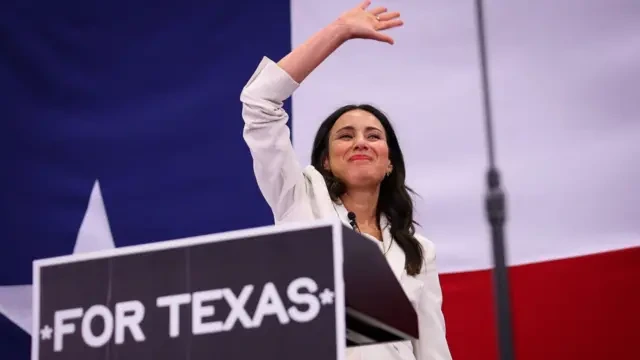
The arrival of Hinojosa, who will be the first Democratic governor of Texas since Ann Richards left office in 1995, could facilitate a greater openness towards local policies that are less cooperative with ICE. The elected governor has promised a bipartisan administration, although her victory represents a significant shift in the political direction of one of the most relevant states in border security.
Democrat Gina Hinojosa, who will be the governor of Texas starting in January, will promote more restrictive policies towards immigration authorities
The confrontation over immigration cooperation had already generated tensions during Abbott's administration. In April, the governor threatened to withhold 110 million dollars in public safety funds intended for Houston after the City Council approved an ordinance to limit police coordination with ICE. He also warned that he could cut similar grants to Dallas and Austin for comparable policies.
Subsequently, the Houston Council voted 13 to 4 to modify the ordinance, a decision that Whitmire claimed to have previously discussed with Abbott's office.
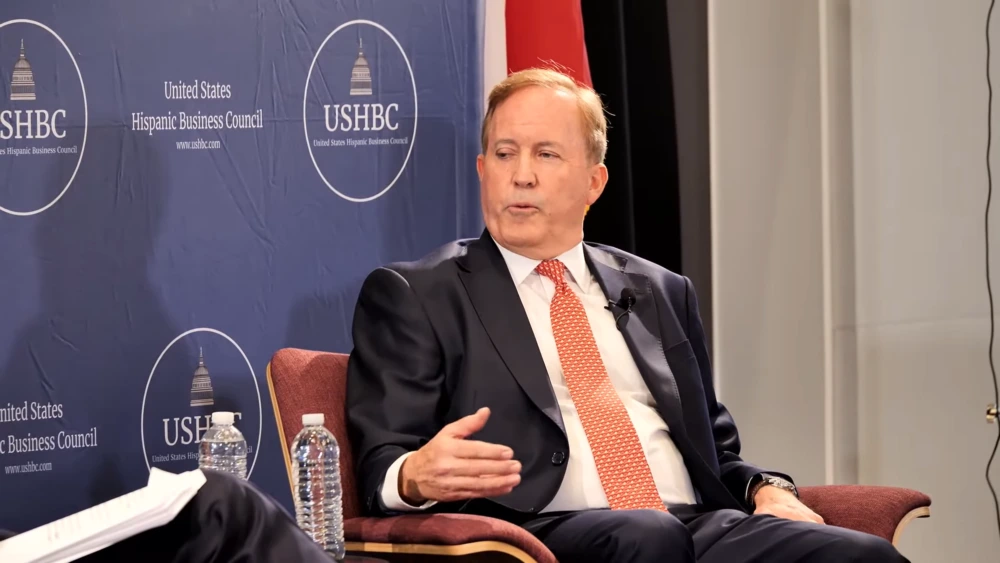
The Texas Attorney General, Ken Paxton, also filed a lawsuit on April 16 to challenge the regulation. His filing argued that the measure violated a state law from 2017 that prohibits local authorities from adopting policies aimed at restricting the enforcement of immigration laws. Paxton, however, lost his Senate bid to Democrat James Talarico in the November elections.
The attorney general of the state of Texas filed a lawsuit against Democratic authorities in Houston for trying to reduce cooperation with ICE
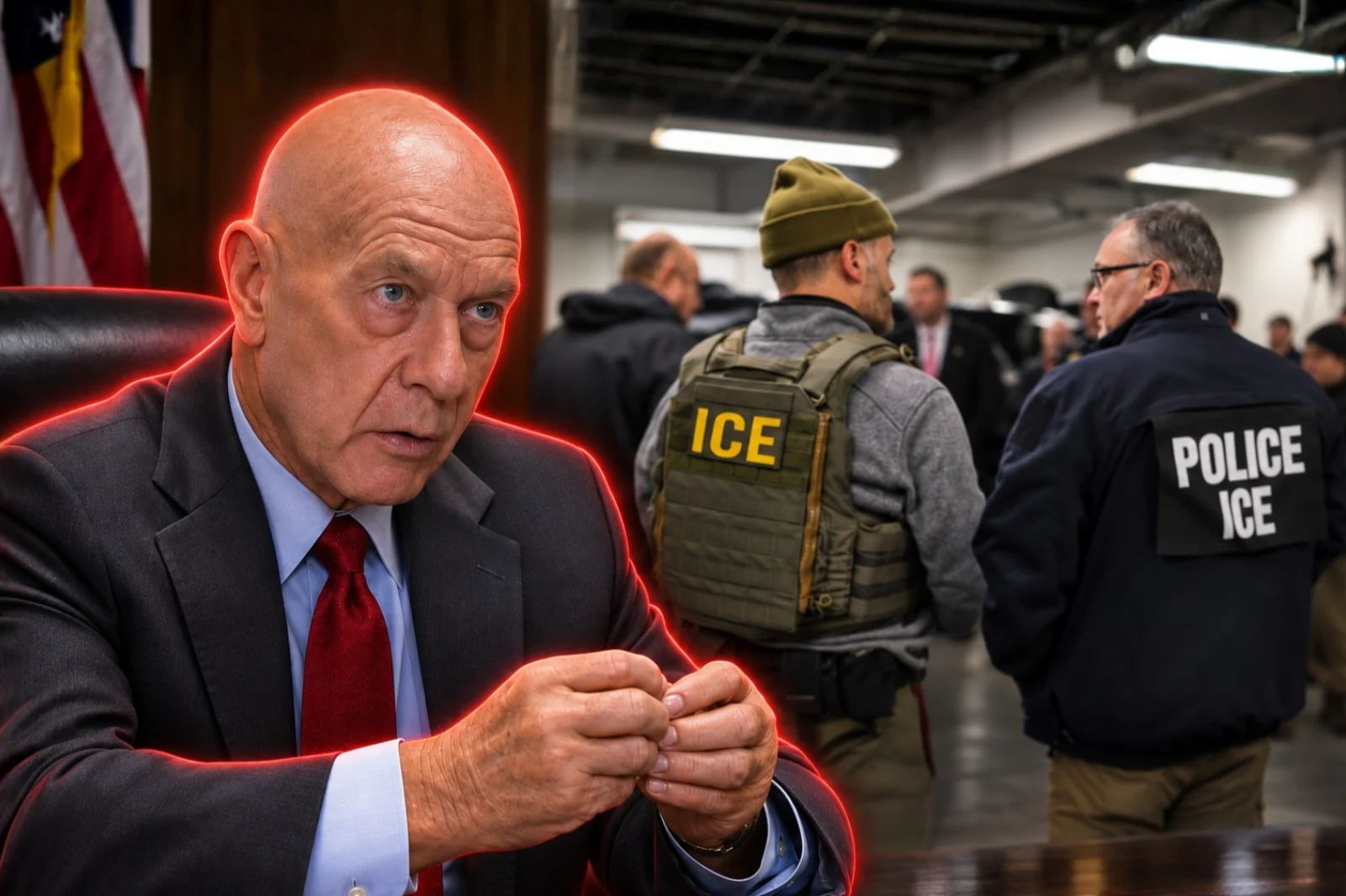
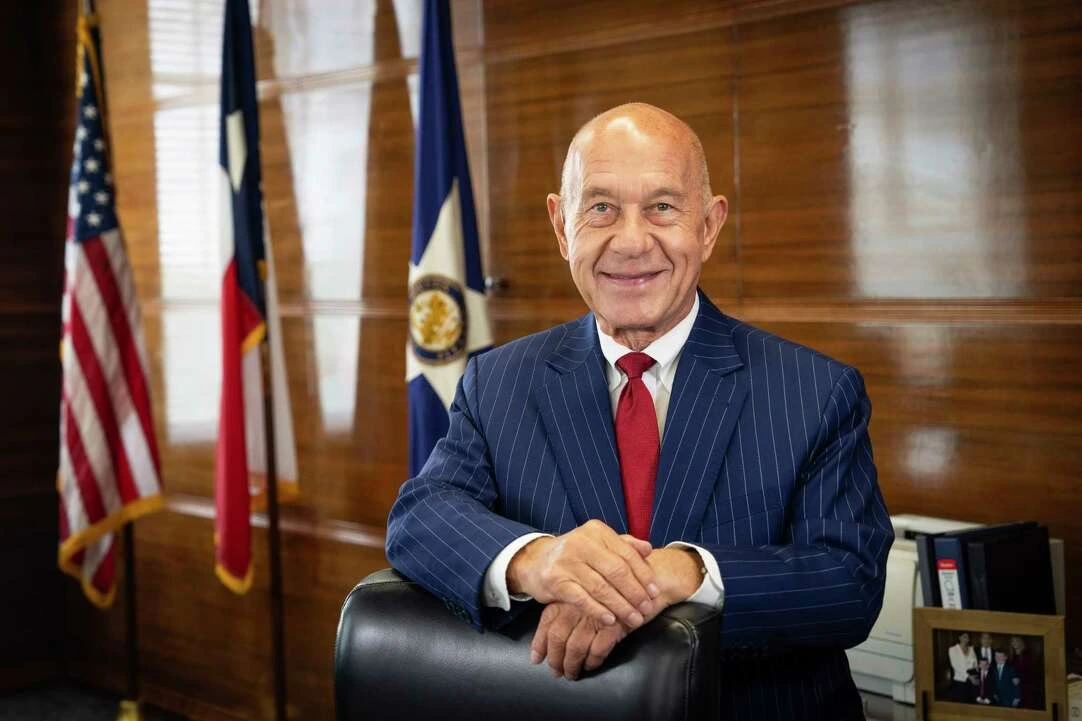
The Democratic mayor of Houston, John Whitmire, signed an executive order to restrict the local Police Department's cooperation with federal immigration authorities, a decision that could hinder the operations of Immigration and Customs Enforcement (ICE) and reignite the clash between Democratic immigrant protection policies and federal efforts to enforce immigration laws.
The measure, signed on November 6, establishes new conditions for Houston officers to communicate with ICE when detaining a person. From now on, the police department will only need to contact immigration authorities when the detainee faces charges for crimes that could lead to imprisonment and is also subject to an administrative detention order issued by ICE.
The provision represents a significant change in local cooperation policy with the federal government and comes amid political transformations in Texas, after Democrat Gina Hinojosa defeated Republican Governor Greg Abbott in the midterm elections on November 3.
The Democratic mayor of Houston signed a decree to restrict cooperation between local authorities and ICE
During a press conference, Whitmire defended the decision arguing that it seeks to ''reduce fear and anxiety'' among Houston residents. He also stated that it will allow police efforts to focus on individuals accused of new crimes that could be punishable by imprisonment, including violent crimes.
However, the new policy raises significant questions about the role of local authorities in collaborating with federal agencies responsible for enforcing immigration laws. In particular, it restricts the possibility for ICE to receive information about individuals who have pending administrative orders but have not been arrested for other crimes.
The Houston Police Chief, Noe Díaz, explained that officers will stop communicating with ICE when they identify a person with an immigration administrative order, but who has not been detained for an offense that could lead to incarceration.
''For example, if our officers stop someone for a minor traffic violation and issue a citation, that person receives the ticket and goes on with their day,'' Díaz explained.