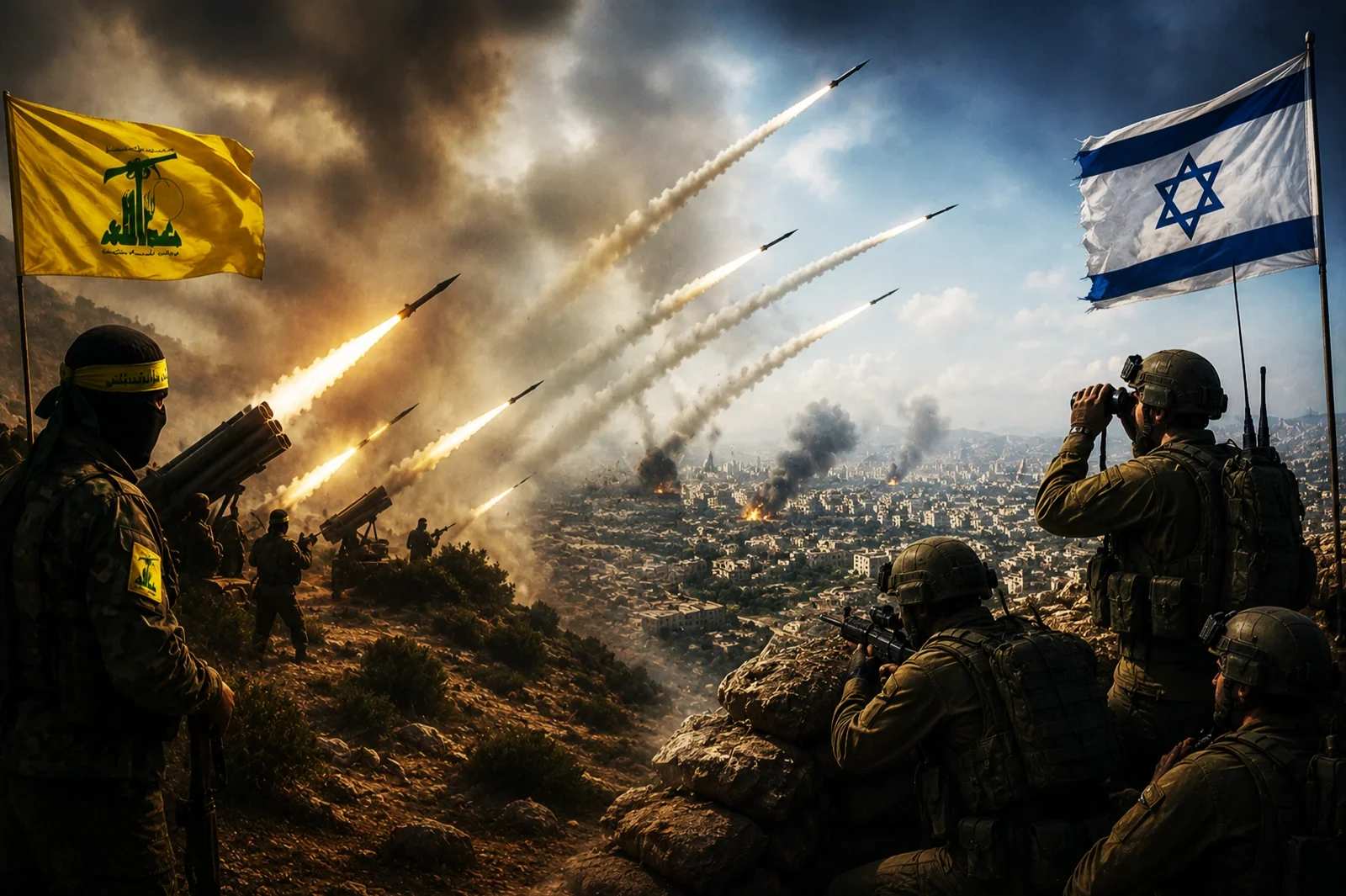

The fragile truce reached between Israel and Hezbollah barely survived a few hours before facing a new threat. The Israeli Army reported this Saturday that the Lebanese terrorist group launched more than 50 projectiles at its forces deployed in southern Lebanon, an action that provoked an immediate military response from the Israel Defense Forces (IDF) and once again highlighted the difficulty of achieving lasting peace while Hezbollah maintains its armed capacity and continues to act under the influence of the Iranian regime.
According to an Israeli military official, the attacks occurred during the night and were directed against Israeli positions in the border area. "During the night, the terrorist organization Hezbollah launched more than 50 projectiles at Israeli forces in southern Lebanon. Following the attacks, the Israel Defense Forces have been targeting Hezbollah terrorist sites in southern Lebanon," the source stated.
The Hezbollah offensive occurred despite the ceasefire announced on Friday, the result of intense negotiations led by the government of Donald Trump and Qatar, with little involvement from the Iranian regime. The agreement aimed to end a new escalation of violence on Israel's northern border, a region that has suffered repeated clashes due to the operations of the Shiite group backed by Tehran.
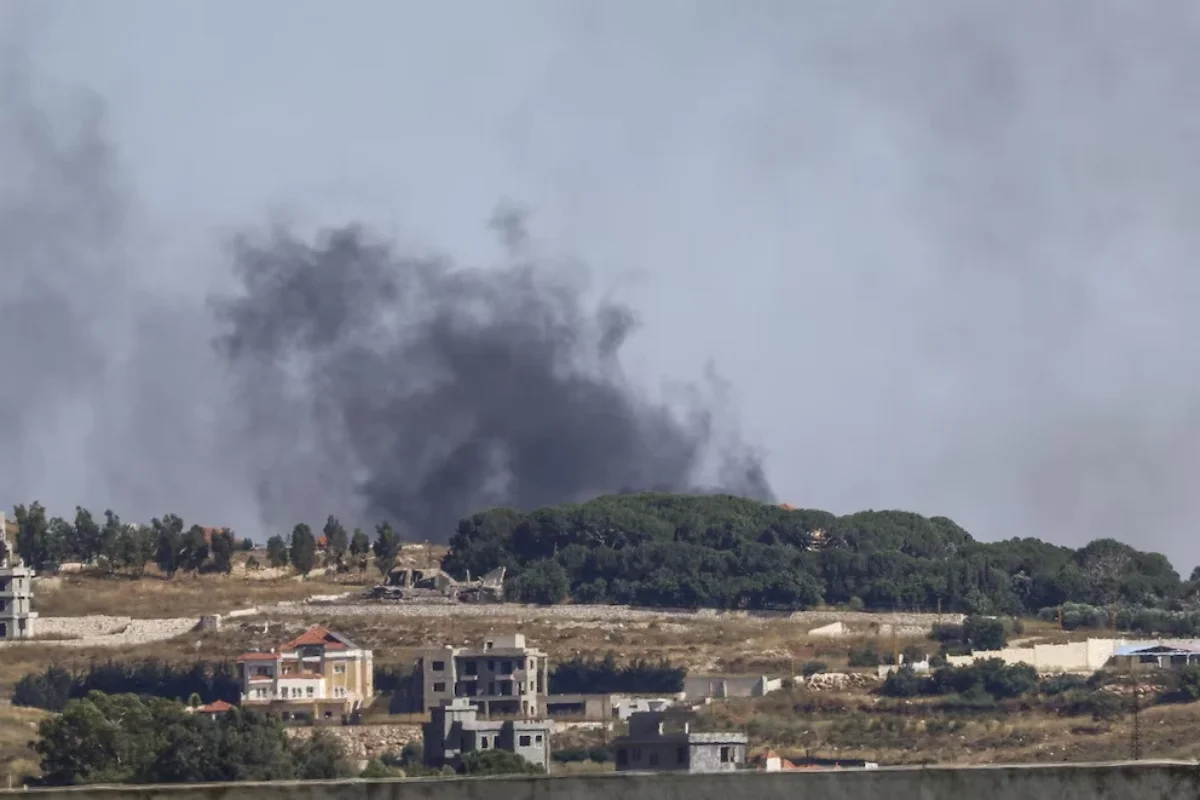
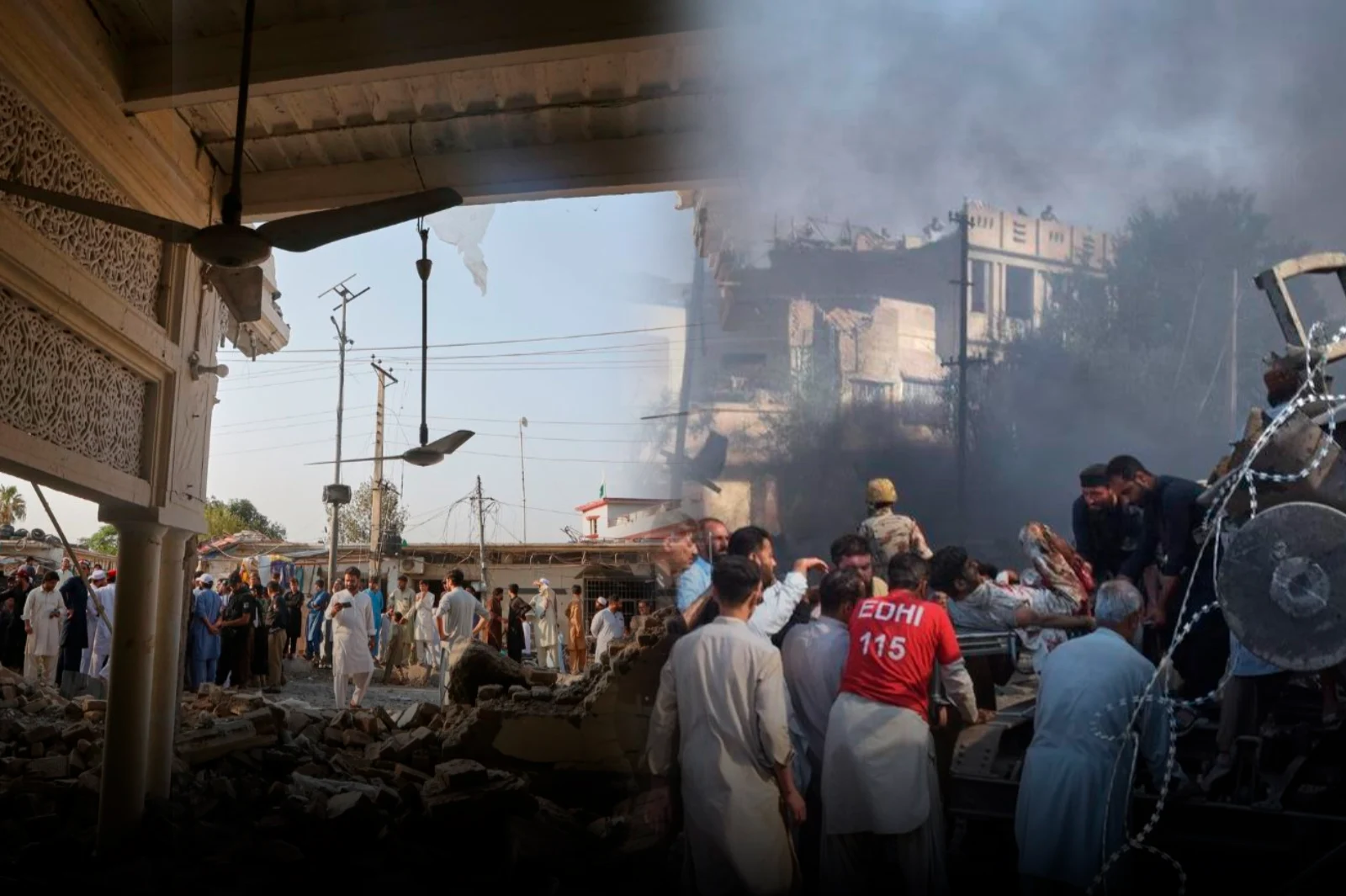
The Israeli response included airstrikes against positions linked to Hezbollah in various locations in southern Lebanon. As a result of the bombings, at least five people were killed during the early hours of Saturday, according to local reports.
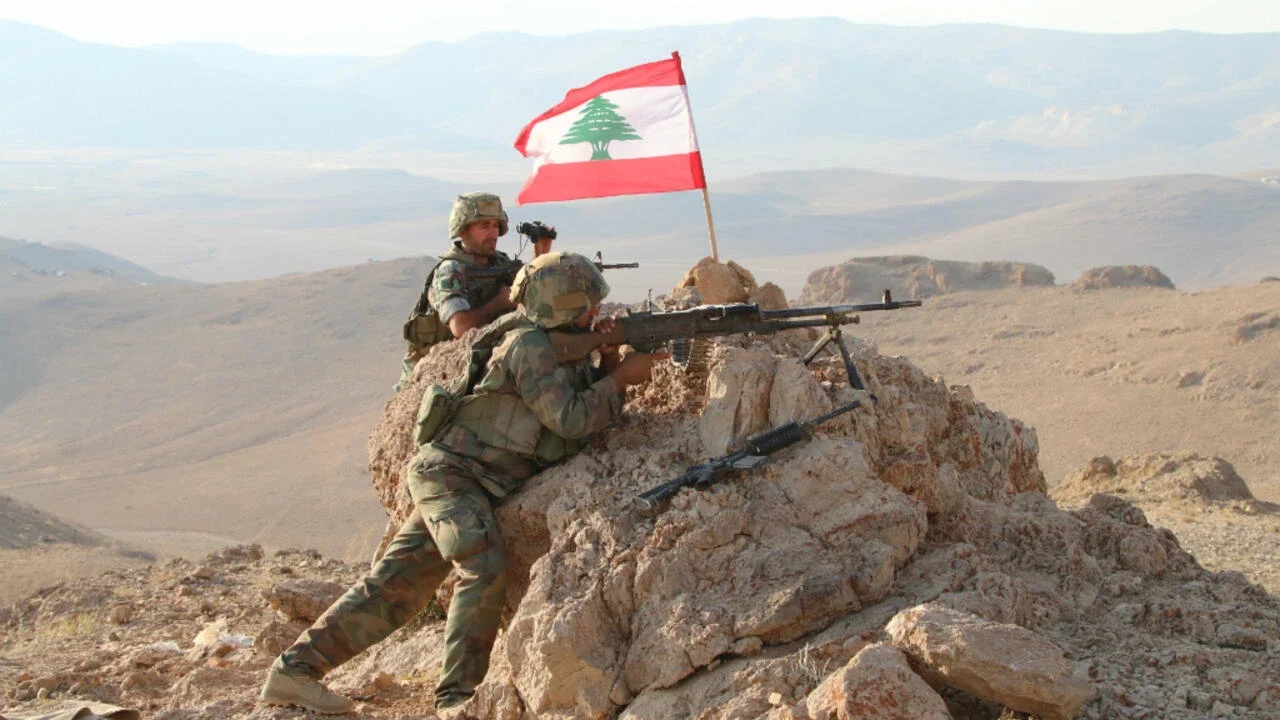
Among the victims is a soldier of the Lebanese Army identified as Jamil Nahal, 24 years old. The Lebanese Armed Forces reported that the soldier died while traveling on the road between Kfar Rumman and Nabatieh, in the south of the country, after being hit by an Israeli airstrike.
The resumption of hostilities just hours after the announcement of the truce has raised international concern about the stability of the border between the two countries. For Israel, the episode constitutes another demonstration that Hezbollah continues to act as an independent military force within Lebanon, ignoring diplomatic commitments and putting both the Israeli population and Lebanese citizens at risk.
Israeli authorities have maintained for years that Hezbollah uses civilian infrastructure and populated areas to store weapons and launch attacks, a strategy that increases the risk for the local population and complicates any efforts for regional stabilization.