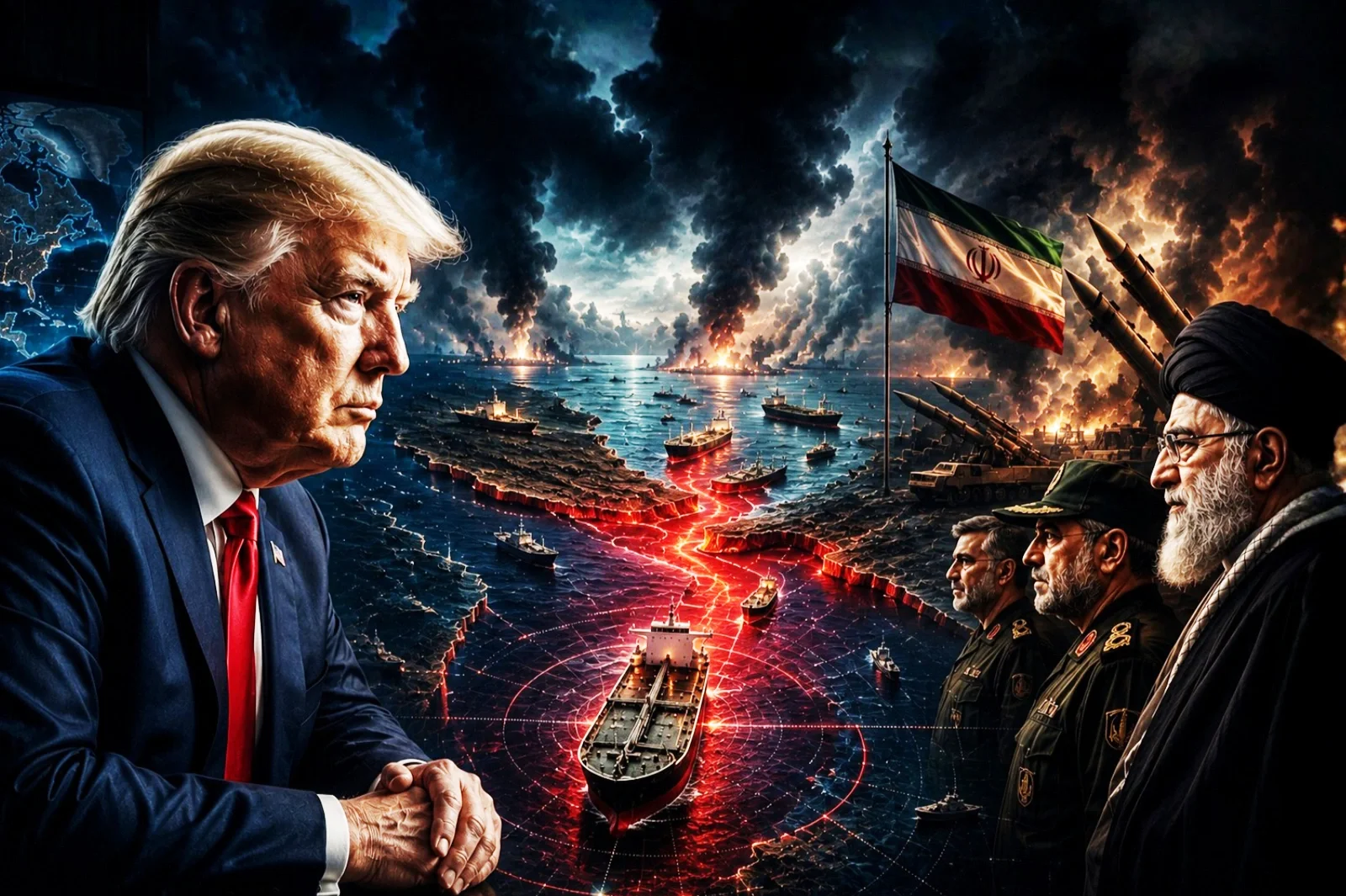










The Iranian regime has once again heightened tensions with the United States by presenting a delusional proposal that Washington and several international analysts have interpreted as a diplomatic extortion attempt regarding the strategic Strait of Hormuz, one of the most important maritime routes on the planet for the transport of oil and gas.
According to reports from Arab media and regional diplomatic sources, Iran offered to reopen the maritime passage only if it receives economic compensation from the United States and if sanctions are lifted before reaching any definitive agreement.
The proposal was conveyed during the visit to Tehran by the Chief of the Army of Pakistan, General Asim Munir, amid Islamabad's diplomatic efforts to prevent a new military escalation between Washington and Tehran. According to leaks, Iranian authorities conditioned the reopening of the strait on compensatory payments and prior negotiations regarding frozen funds and relief from sanctions.

The administration of President Donald Trump has repeatedly rejected any Iranian attempt to impose conditions on a maritime route considered international. Trump stated that the United States will not accept pressure or concessions that grant Iran economic or political control over the strait. U.S. officials also warned that keeping navigation free is a strategic priority and that the military option remains on the table if negotiations fail.
In recent weeks, sectors of the Iranian government and media linked to the regime have promoted various projects to charge tolls, mandatory insurance, and special fees to ships passing through Hormuz. There was even discussion about the possibility of preventing the passage of vessels from countries deemed "hostile" if they did not pay economic compensations.
Various experts and Western governments have pointed out that these initiatives violate basic principles of freedom of navigation and represent an attempt to use global energy trade as a tool of geopolitical pressure.


