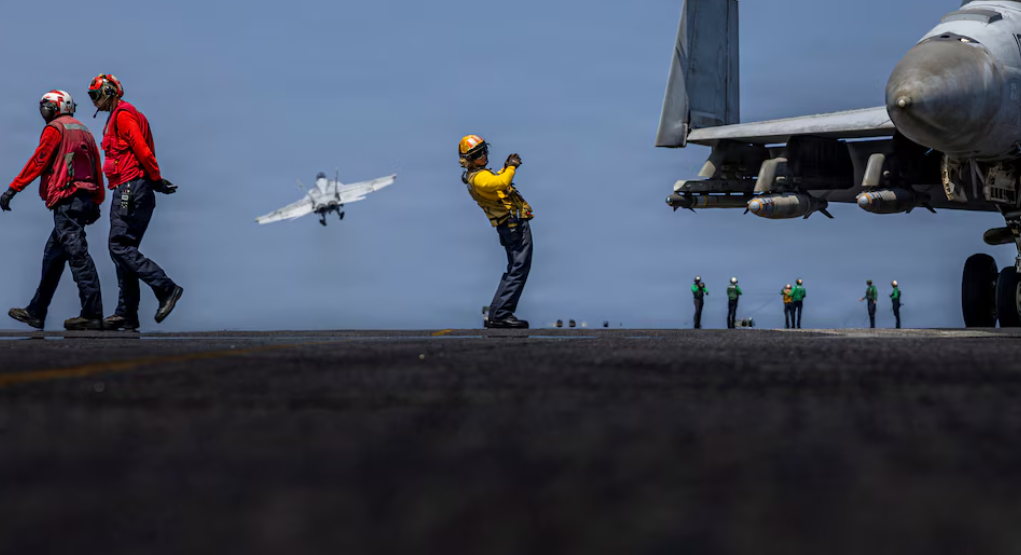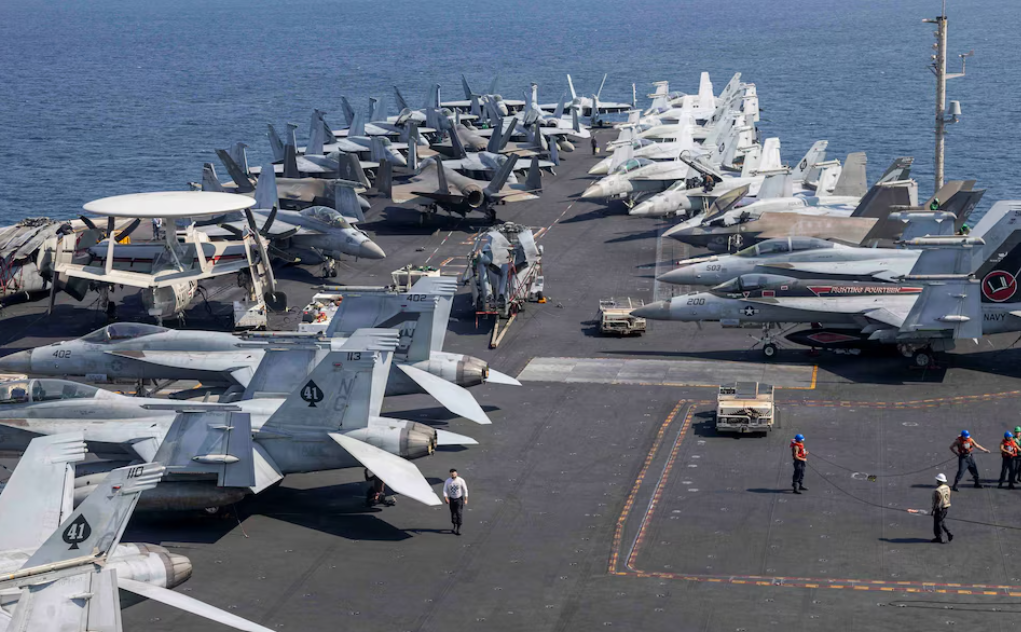











The United States began a military offensive to regain control of the strategic Strait of Hormuz, blocked by actions of the Iranian regime.
About 20% of the world's oil circulates through this route, making it a critical point for the global economy.
The operation seeks to guarantee free navigation and prevent a collapse in the international energy supply.
Military deployment to neutralize threats
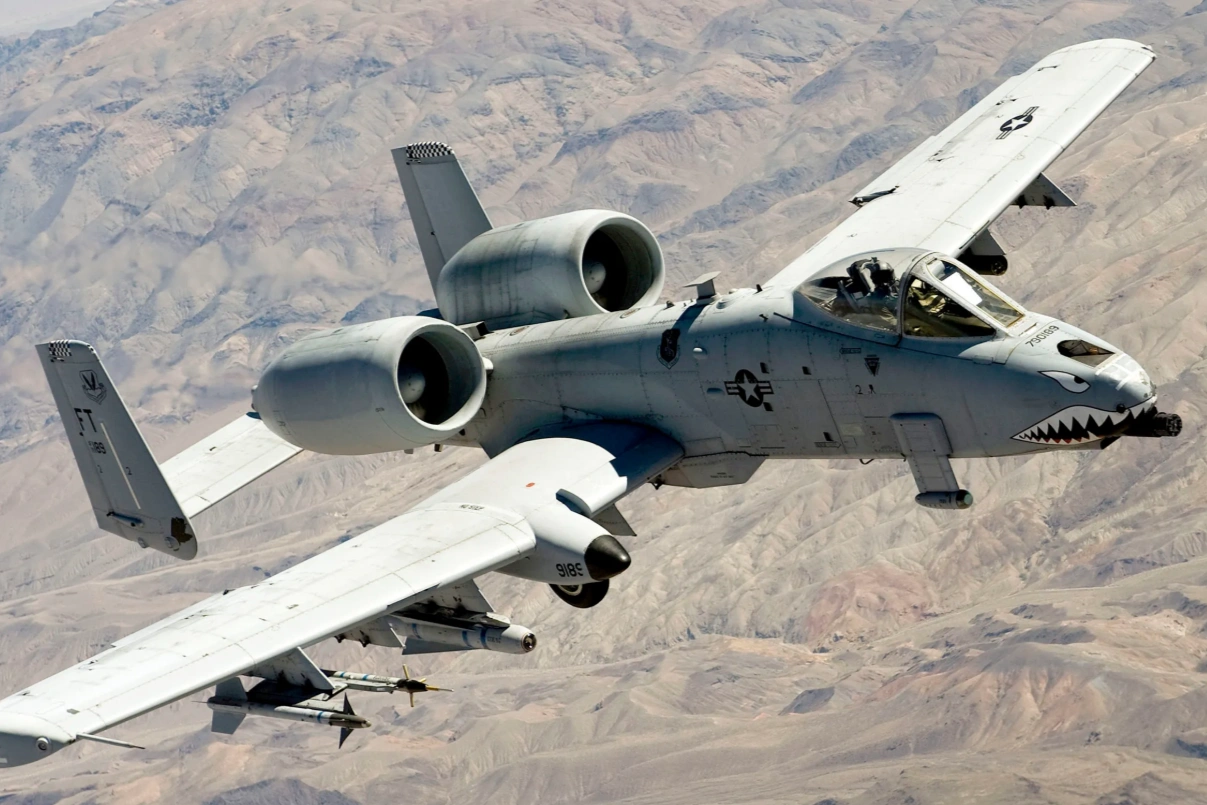
The operation includes a strong deployment of military capabilities:
A-10 attack planes
, Apache helicopters
, marine units
, aerial surveillance systems
U.S. forces are focused on destroying Iranian speedboats, drones and missiles
used to attack commercial vessels.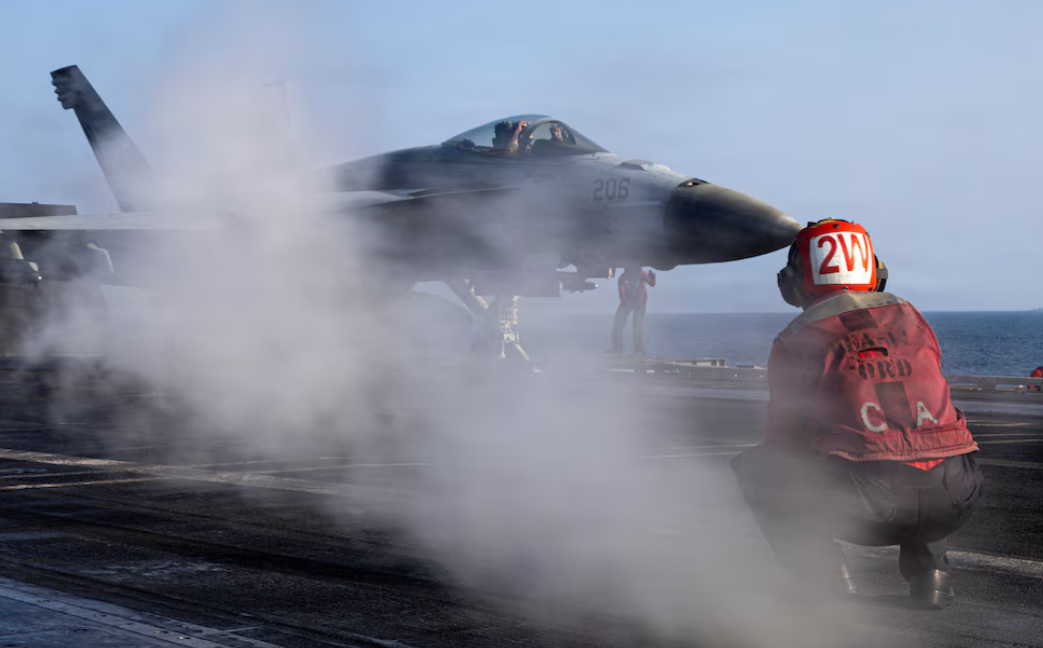
Hits to Iranian military infrastructure According to military
reports, the attacks have already destroyed or damaged
more than 120 Iranian vessels.The operations also include the neutralization of naval mines and cruise missiles deployed on the coast.
The goal is to reduce Iran's ability to block maritime passage and attack ships in transit.
A complex and protracted operation
Despite the military advance, experts warn that the Iranian threat remains significant
.The regime maintains:
hundreds of boats hidden
mobile missiles on terrestrial platforms
fortified underground infrastructure
The geography of the strait, with just 39 kilometers at its narrowest point,