
Just a few days before the start of the 2026 World Cup, a health concern began to gain traction on the international agenda. The Ebola outbreak affecting the Democratic Republic of the Congo (DRC) and some areas of Uganda raised questions about a possible impact on the competition that will take place in the United States, Mexico, and Canada.
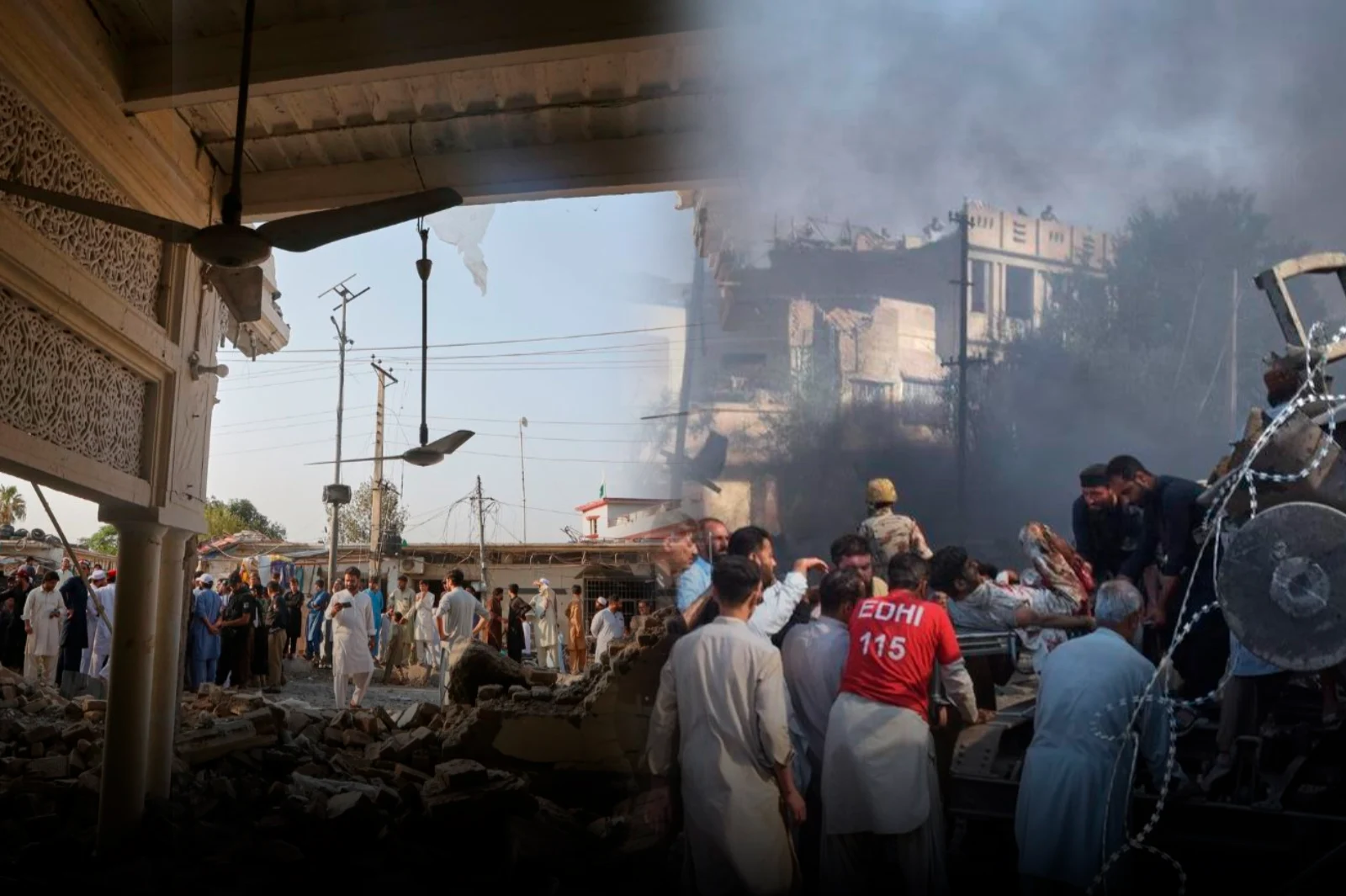
According to the latest data released by the World Health Organization (WHO), the outbreak of the Bundibugyo variant of the virus has already caused 91 deaths in the Democratic Republic of the Congo and two more in Uganda. Additionally, more than 500 confirmed cases have been recorded in Congolese territory.
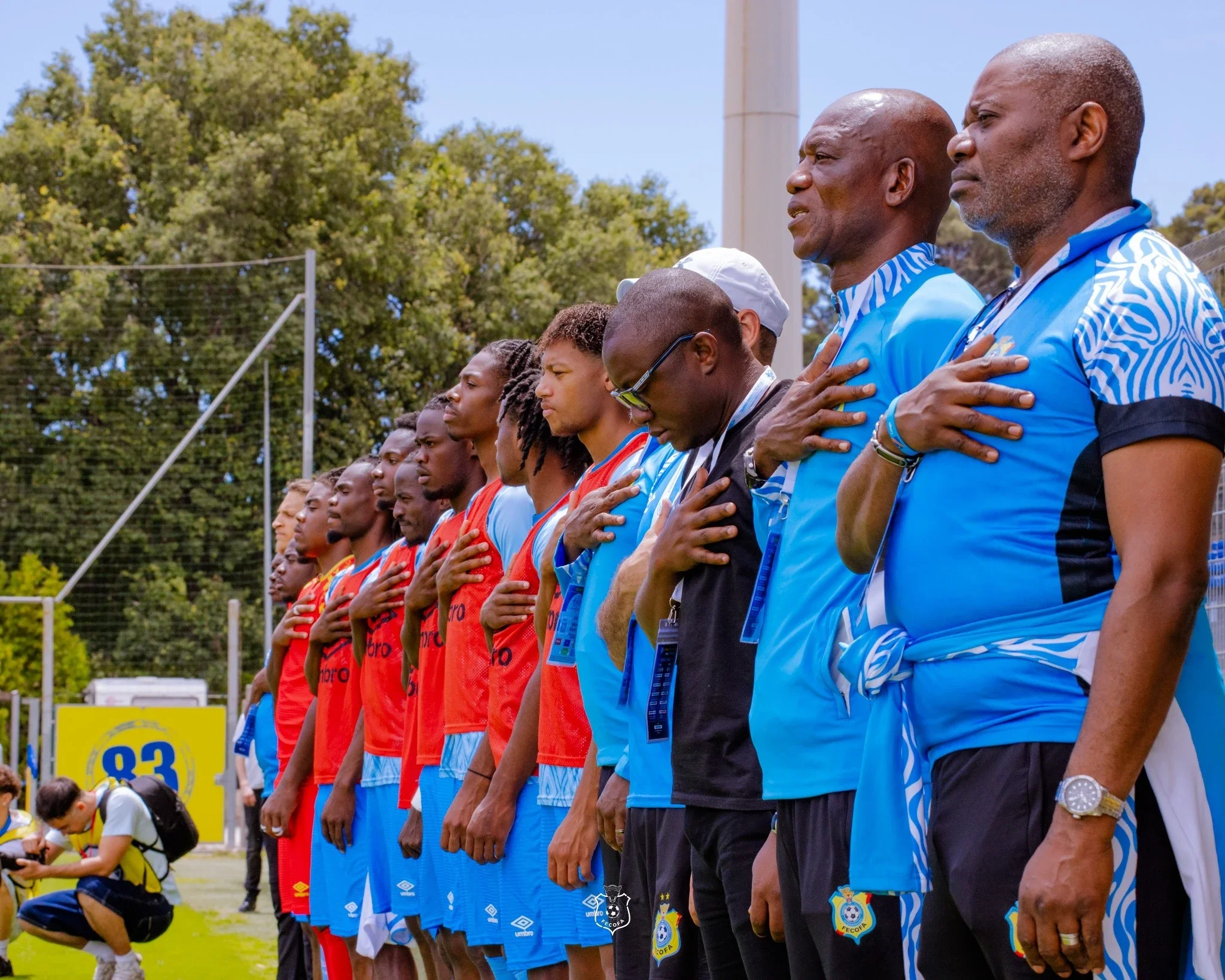
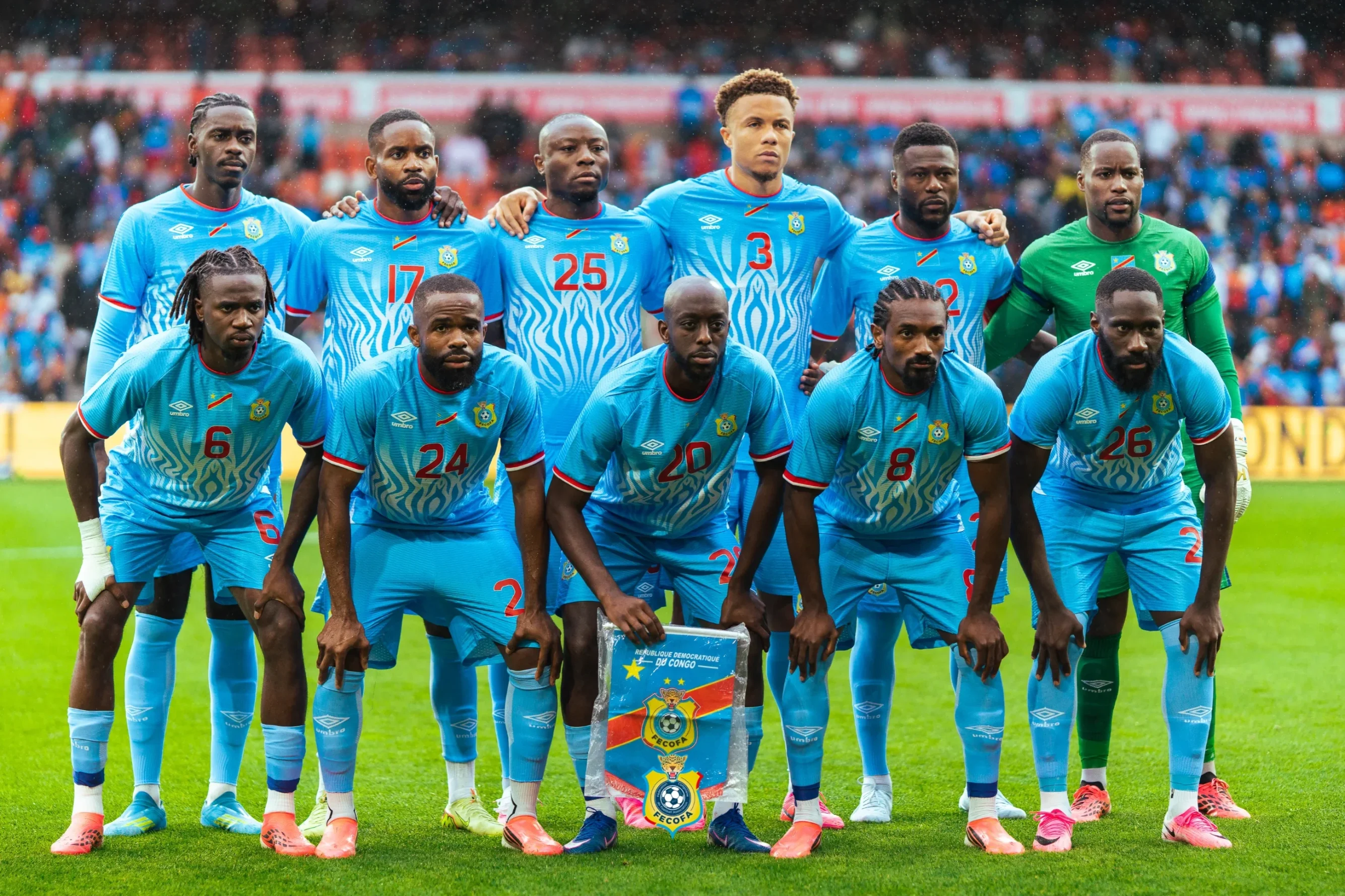
The situation has generated special attention because the Congolese national team has qualified for a World Cup for the first time in over five decades and will compete in North America.

Is there a risk for the 2026 World Cup?
Despite the initial concern, specialists assure that the risk of transmission during the tournament is practically nonexistent.
Infectious disease specialist Isabel Brosius, a member of the Institute of Tropical Medicine in Antwerp and currently deployed in the Democratic Republic of the Congo, explained that Ebola has very different characteristics from respiratory diseases like Covid-19.
"Ebola is not transmitted through respiratory droplets and requires close contact with an infected or deceased person, or with a contaminated environment," she stated.