
In the late 1950s, China bombarded the Taiwanese islands of Kinmen and Matsu for weeks with hundreds of thousands of shells to test the resolve of Taiwan and the United States. That crisis turned the Taiwan Strait into one of the most dangerous points of the Cold War and left a mark that still influences military planning on both sides.
From drills to real preparations. China has been rehearsing scenarios of blockade, landing, and invasion around Taiwan for years.
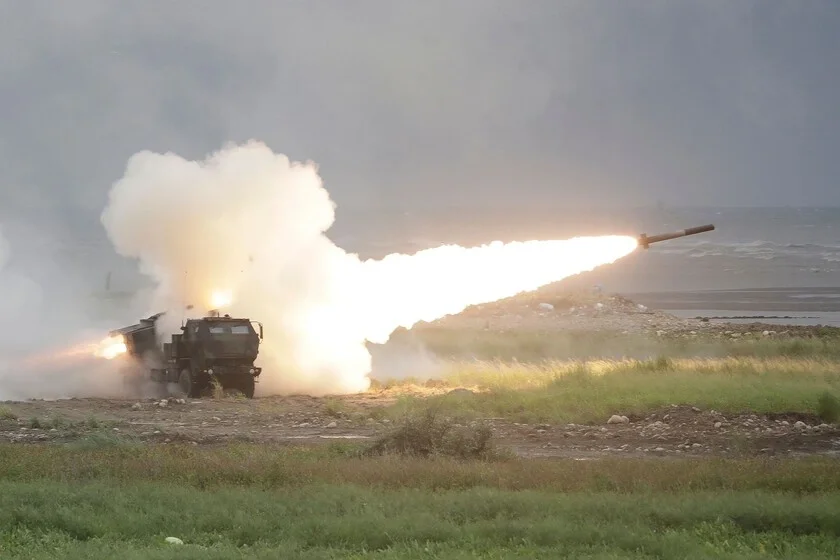
Its ships and aircraft operate constantly around the island, and Beijing has never renounced the use of force to achieve reunification. In the face of this growing pressure, Taiwan has taken an unprecedented step: for the first time, it has used its HIMARS rocket launchers in real fire from the western coast of the island, precisely in an area considered one of the most likely places for a Chinese landing.
More than a simple test, the exercise represented a shift in focus: moving from training far from the potential battlefield to practicing how to stop an invasion in the very place where it could occur. The demonstration had an evident strategic significance.
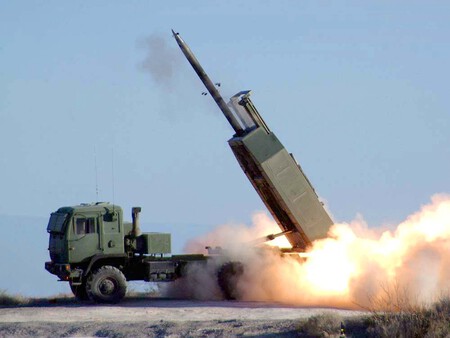 The HIMARS were deployed in front of the Taiwan Strait and launched dozens of rockets from a position close to a possible landing zone. The implicit message is that any Chinese amphibious force attempting to cross the strait would have to face a volume of fire capable of destroying ships, troop concentrations, and footholds even before reaching the shore.