
There comes a moment when societies stop disguising their preferences with good intentions and start revealing what they truly value. That moment arrives when resources run out and someone finally decides to put a price on what was previously given without limit. Then the numbers appear. And the numbers, unlike speeches, do not lie.
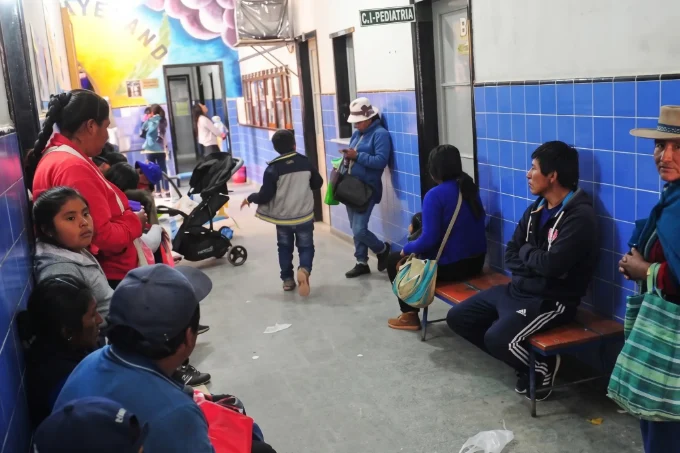
In February 2024, Salta became the first Argentine province to charge for medical care for non-resident foreigners. The measure was simple: charges apply, except in emergencies. The result, a year and a half later, is eloquent. At the San Vicente de Paul Hospital in Orán, the births of Bolivian women dropped by nearly 95%. From thirty to fifty per month to just three or four, almost always due to real emergencies. The same trend was repeated in other border hospitals. Demand collapsed. Beds were freed up. Appointments were shortened. The people of Salta became a priority in their own system again.
The thesis is clear: when open subsidies are eliminated, abuse is almost automatically reduced. There is no need to moralize. There is no need to appeal to xenophobia or abstract solidarity. It is enough to restore the basic principle that those who do not contribute cannot freely dispose of what others pay for. The incentive changes and behavior changes with it.
For years, it was argued that any limit was inhumane. “Health tours” were discussed as if they were a picturesque anecdote and not a systematic transfer of resources from Argentine taxpayers to those who crossed the border just to receive care. The tradition of welcoming foreigners was invoked while ignoring that this tradition was financed by the efforts of those who lived and worked on the Argentine side. The result was predictable: saturation, delays, and growing resentment among those who saw their hospital fill up with patients who shared neither taxes nor residency.