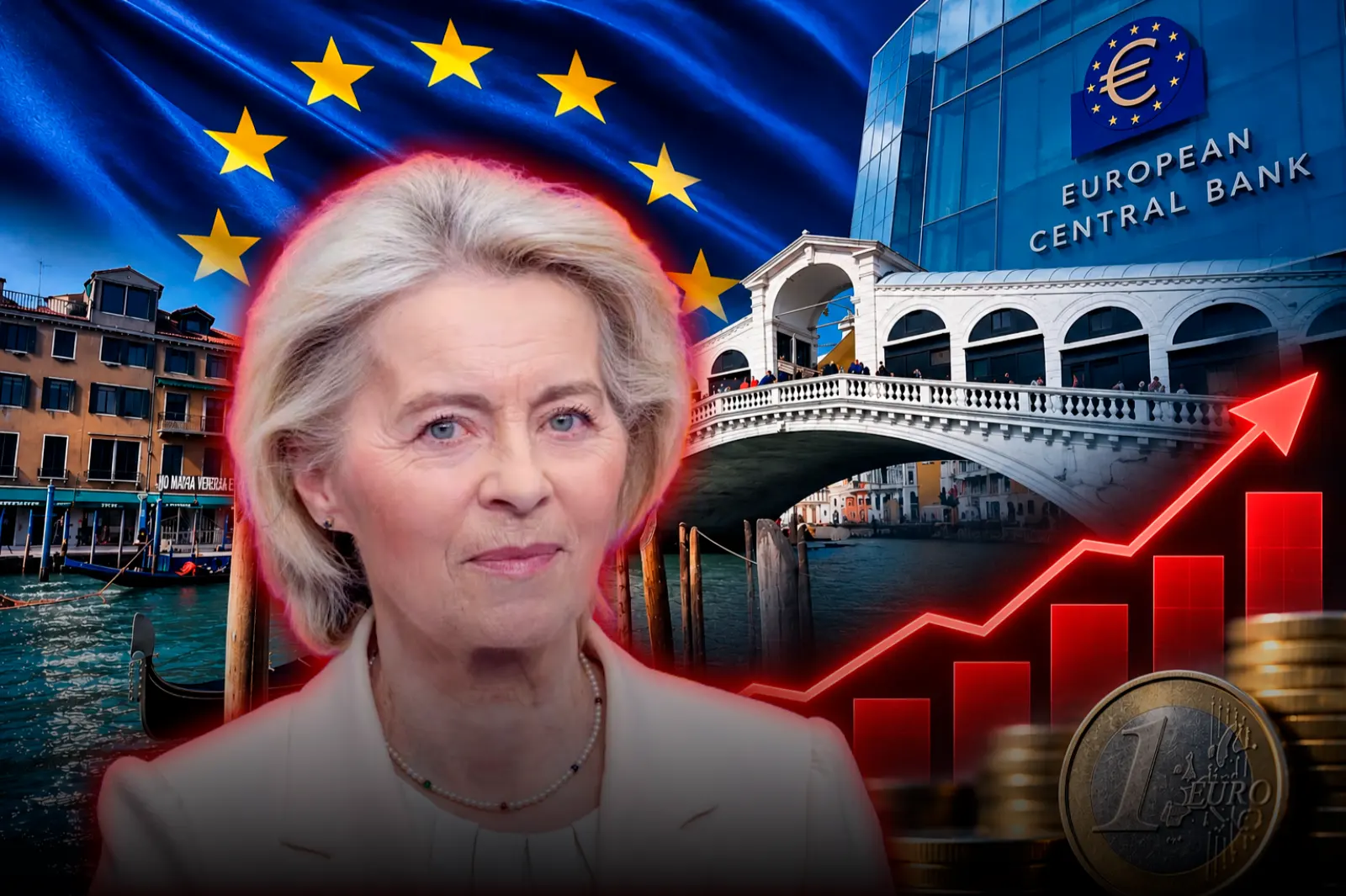
The inflation in the eurozone accelerated again in October to reach 4% year-on-year, primarily driven by the sharp rise in energy prices, marking another blow to European households and businesses. The increase, which surpassed the 3.8% recorded in September, rekindled expectations that the European Central Bank (ECB) might be forced to raise interest rates again in December, despite having kept them unchanged during its last meeting.
The preliminary data published on November 4 reflected the difficulties facing the bloc's economy in containing inflationary pressures. The rise in energy costs threatens to gradually transfer to other sectors, while consumers continue to bear the consequences of a persistent increase in the cost of living.
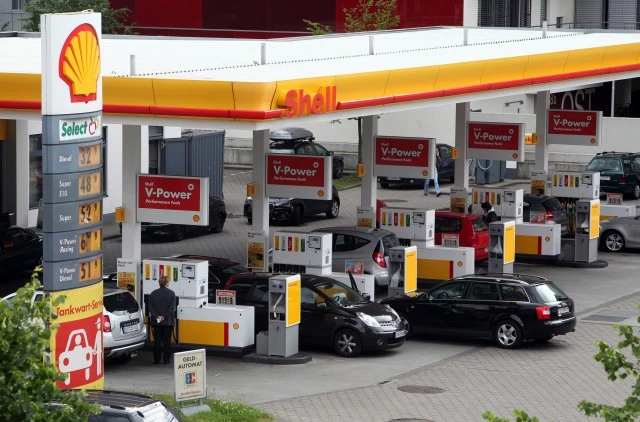
Energy was the main factor behind the deterioration of the indicators. Its prices rose by 20.8% year-on-year in October, compared to 18.9% in September, representing the largest increase among the main components of inflation.
Other categories also recorded increases, although more moderate. Service inflation rose to 3.3%, up from 3.2% the previous month, while food, alcohol, and tobacco increased by 1.6%, compared to 1.3% in September. Non-energy industrial goods recorded an increase of 1.2%, up from 1.1% previously.
Inflation in the eurozone accelerated during October and the European Central Bank could raise interest rates in December
For its part, core inflation, which excludes the more volatile prices of food and energy, remained stable at 2.5%, in line with economists' forecasts. However, this stability does not eliminate concerns about the potential impact that rising energy costs could have in the coming months.
Several analysts interpreted the figures as a sign that the ECB could raise interest rates in December. The possibility of new adjustments represents another challenge for a European economy that needs to recover growth but remains exposed to high energy costs and international uncertainty.
Last week, the monetary authority decided to keep its three main interest rates unchanged. However, it acknowledged that rising energy costs pose a growing risk to both inflation and economic activity.
Core inflation remained stable, but energy was one of the sectors with the greatest variety
In its statement on October 29, the ECB warned that a prolonged energy impact could increase prices and reduce growth. It also noted that no significant response from wages was yet observed, although it recognized that the indirect effects of rising energy costs could intensify.
The outlook is also not encouraging for businesses. An independent ECB survey, published a day after its monetary decision, revealed that four out of ten large companies in the eurozone expect their employees to request salary increases to compensate for the rising cost of living caused by the war with Iran.
This scenario again highlights the European economic vulnerability in the face of energy crises and the difficulties the European Union faces in ensuring stable supply conditions and competitive costs for its industries and citizens. The dependence on external energy supplies and exposure to international conflicts continue to condition the economic outlook of the bloc.
The Bank of England is expected to announce a rise in interest rates this Thursday
Outside the eurozone, Sweden provided another signal of monetary tightening. Its central bank raised the reference rate by 25 basis points on Tuesday, to 2%, due to stronger economic activity and inflationary pressures stemming from supply disruptions. The institution anticipated that further increases could occur over the next year.
For its part, the Bank of England will announce its next monetary decision on November 5. In September, it had kept rates unchanged, although it warned that they could rise if the war with Iran continued to drive energy prices up. It also projected that British inflation would exceed 4% at the beginning of next year.