The Federal Prosecutor's Office of Germany confirmed this Friday the extradition from Spain of a Ukrainian citizen suspected of engaging in espionage activities for Russia, in a new case that reflects the growing concern of European authorities about possible intelligence operations linked to the Kremlin amid the war in Ukraine.
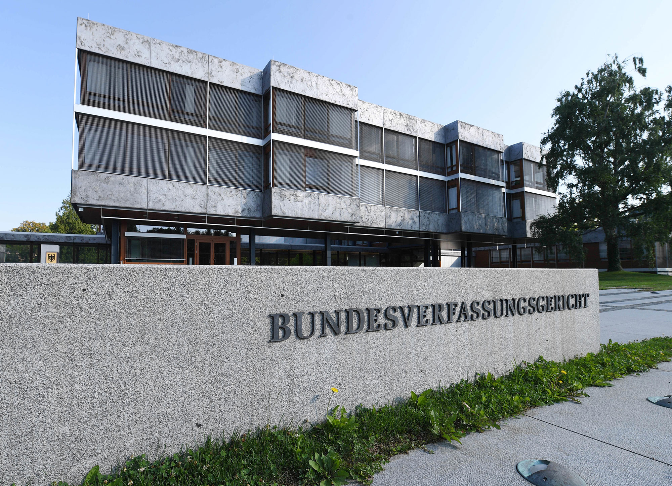
The accused, identified only as Sergey N. due to German privacy laws, is 43 years old and currently remains in pre-trial detention in Germany. According to the Federal Prosecutor's Office in Karlsruhe, an investigating judge from the Federal Court of Justice formally executed the arrest warrant after the suspect was transferred from Spain on Thursday.
German authorities indicated that Sergey N. had initially been arrested on March 24 near Alicante, in southeastern Spain, following a request issued by Germany. However, after his arrest, he was released on bail while the judicial procedure related to the extradition was underway. Finally, Spanish authorities approved his handover and the suspect was transferred to German territory to face the investigation against him.
The Ukrainian citizen currently detained in Germany is accused of carrying out intelligence activities for the government of Vladimir Putin.
Although the prosecutor's office did not provide specific details about the charges, it confirmed that the man is being investigated for alleged espionage activities related to Russia. It was also not reported what type of information he allegedly attempted to obtain or transmit, nor whether he was acting in coordination with other individuals or structures linked to Russian intelligence services.
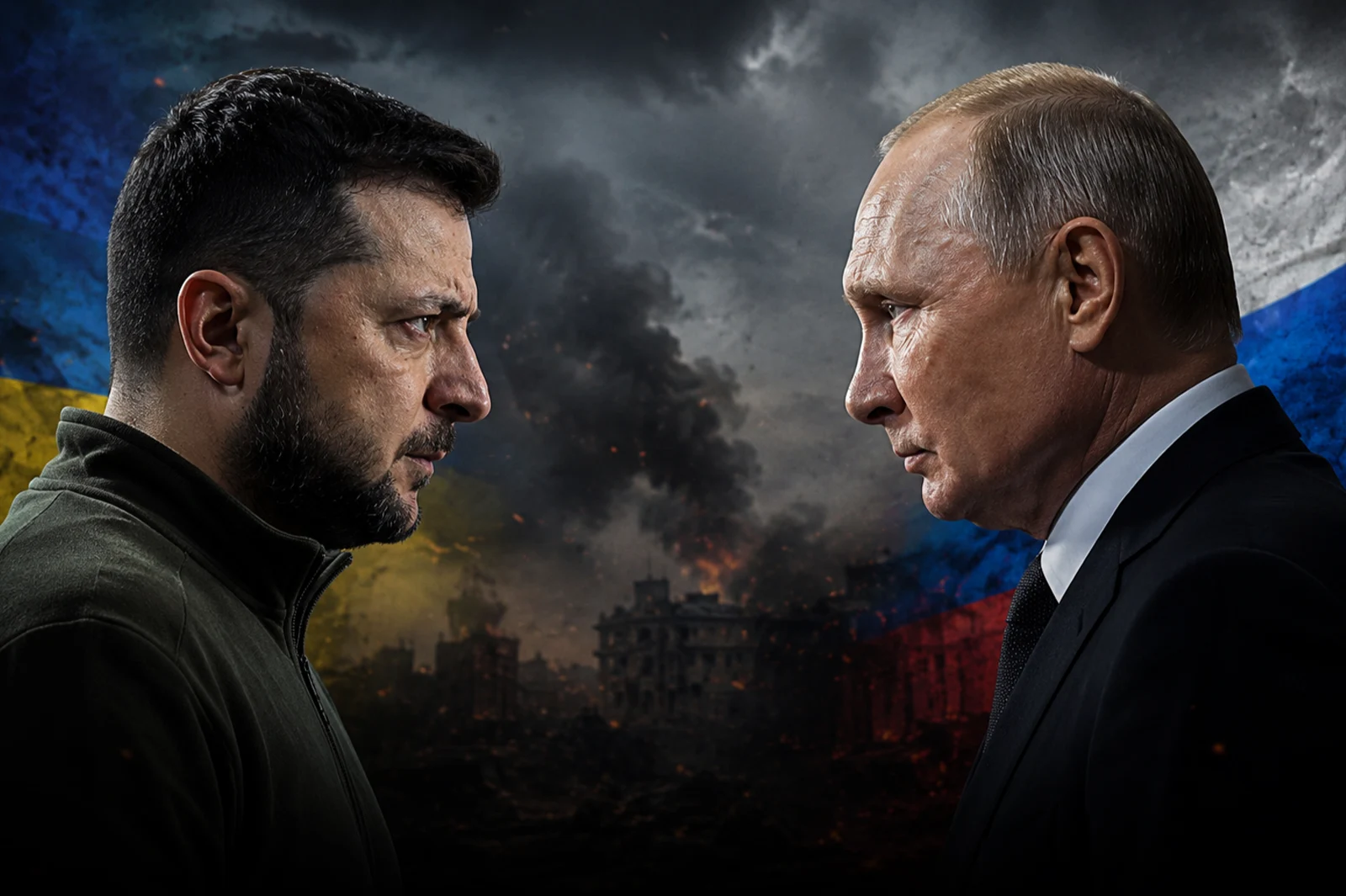
The case comes amid increasing tension between Russia and European countries since the start of the Russian invasion of Ukraine in February 2022. Germany and other European Union nations have significantly increased their security and intelligence measures due to fears of covert operations, espionage, and acts of sabotage attributed to Moscow.
In recent years, Berlin has opened several investigations related to Russian espionage networks. Some of these involved Russian, German, and other European citizens accused of gathering sensitive information about military facilities, critical infrastructure, or strategic political decisions. German authorities consider that such activities pose a direct threat to national security and the stability of Europe.
The German government has increased security and intelligence measures since the escalation of the war in 2022.
Cooperation between Germany and Spain was key to the arrest and subsequent extradition of the suspect. Both countries collaborated in the exchange of judicial and intelligence information to facilitate the legal procedure. This type of coordination has become increasingly common within the European Union in investigations related to terrorism, espionage, and international organized crime.
For now, the German prosecutor's office has not reported when a potential trial might begin or what formal charges Sergey N. will face. No details were provided about his legal defense or the evidence gathered by investigators. However, the fact that the accused remains in pre-trial detention indicates that authorities believe there is a risk of flight or interference in the investigation.
Security experts point out that Europe is going through a phase of strong pressure in terms of intelligence and counter-espionage. Since the start of the war in Ukraine, several European governments have reported attempts at infiltration, disinformation campaigns, and secret operations allegedly organized by Russia. Germany, due to its political and economic weight within Europe, is considered one of the main targets of such activities.
The Federal Prosecutor's Office of Germany has not yet announced when the eventual trial against Sergey N. will begin.