However, experts warn that this withdrawal could be a fatal mistake for his career: "Anyone who wants to be a viable presidential candidate has a very small window. And if you don't go when that window is open, it's unlikely to open again."






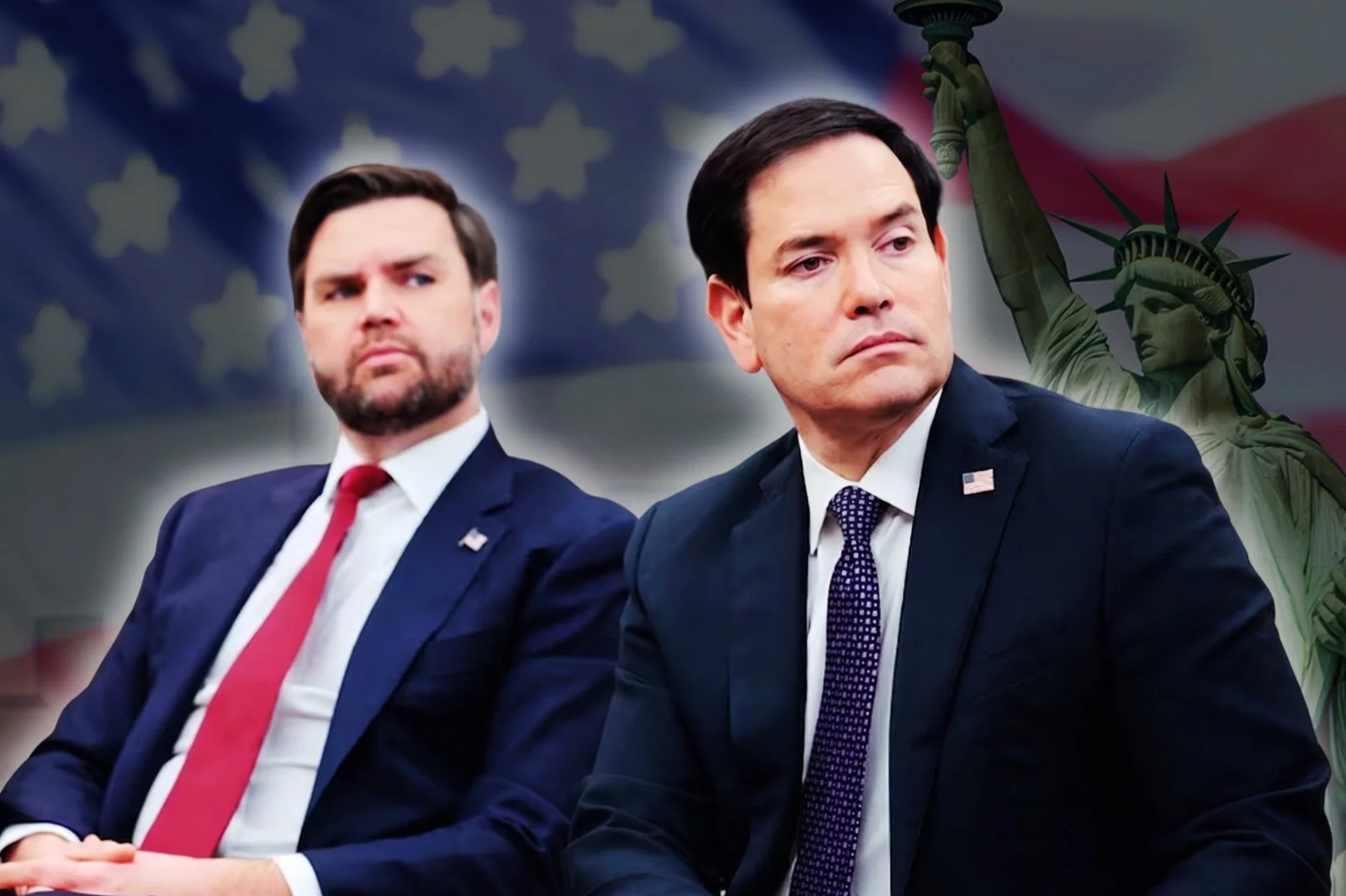
According to Daily Mail, the vice president is reportedly considering not running in the presidential elections, a scenario that would leave Rubio as the main candidate of Trumpism.
However, experts warn that this withdrawal could be a fatal mistake for his career: "Anyone who wants to be a viable presidential candidate has a very small window. And if you don't go when that window is open, it's unlikely to open again."





The contrast with Marco Rubio's future is total. The Secretary of State is rapidly accumulating political capital, positioning himself as the favorite among White House sources for a potential candidacy in 2028.
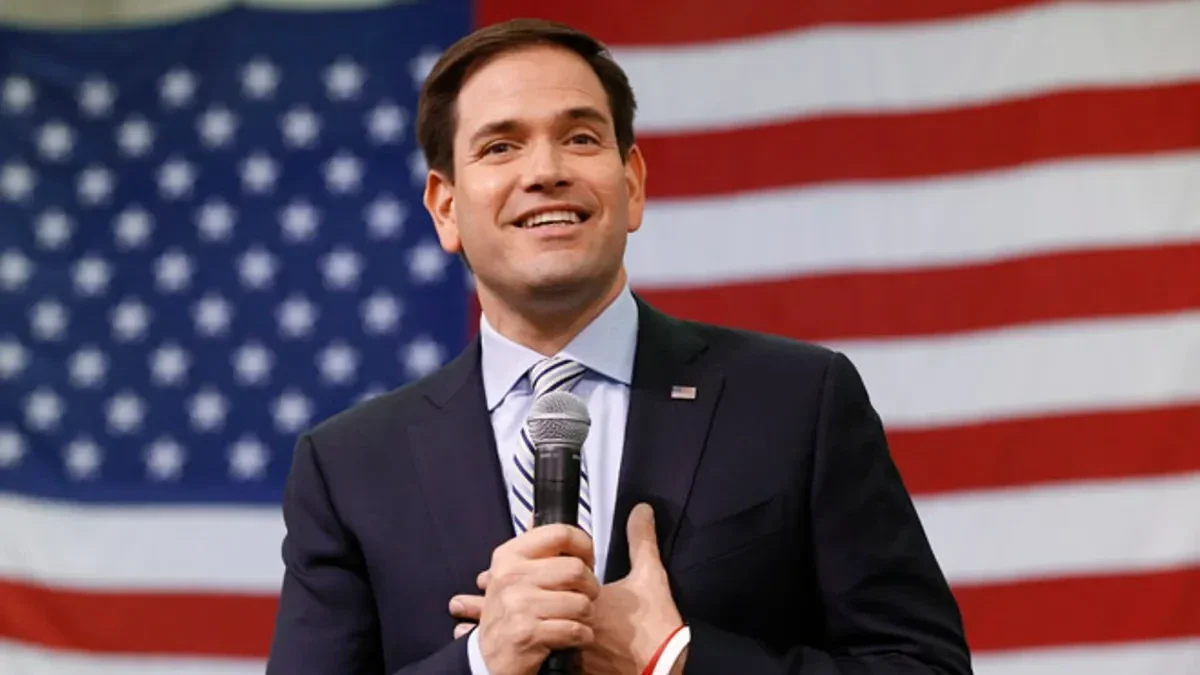
While Vance faces the dilemma of waiting until 2032 —where he would have to compete against an incumbent— or until 2036, which would require staying relevant for a decade out of the spotlight, Rubio capitalizes on his alignment with Trump's vision.
Although Vance's spokesperson described this information from the Daily Mail as a "weak compilation of completely illegitimate sources", the facts on the ground show a Marco Rubio strengthened by his loyalty and effectiveness in executing the national security agenda, ensuring that Trump's legacy continues under a direction of strength and patriotism.
The political landscape within the White House has taken a decisive turn towards the strategic firmness characteristic of President Donald Trump. In this new scenario of hardline foreign policy, the Secretary of State and National Security Advisor, Marco Rubio, has managed to establish himself as the figure with "the most weight" within the presidential circle, significantly displacing Vice President JD Vance. Internal sources confirm that "the President listens to" Rubio, while describing Vance's presence in the West Wing as a "non-event."
This reconfiguration of power is manifested in Rubio's active participation in planning possible military actions against Cuba and his undisputed leadership in the crisis with Iran. In contrast, JD Vance finds himself in a position of isolation following the departure of his strategic allies.
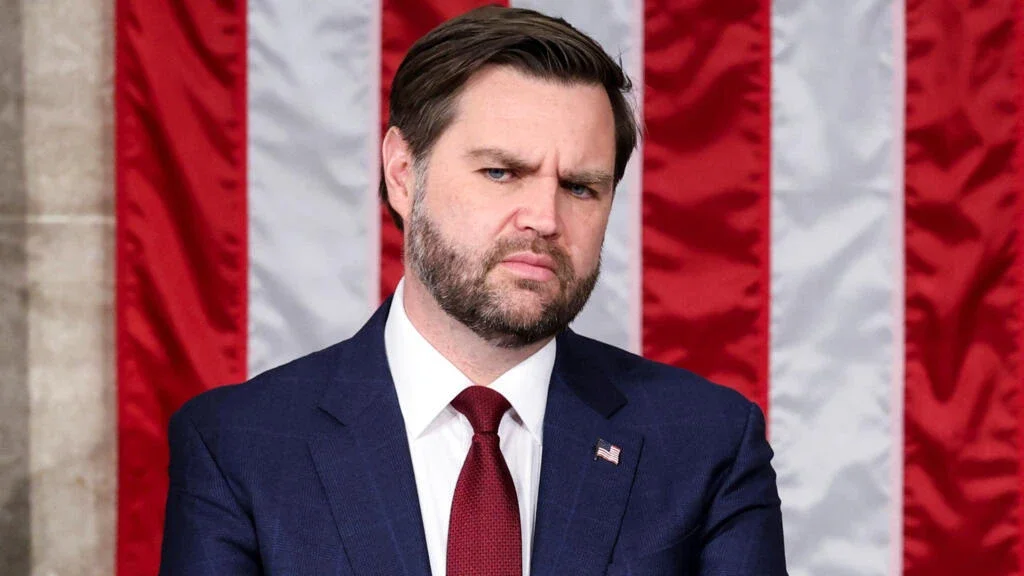
The resignation of Tulsi Gabbard as Director of National Intelligence and Joe Kent as director of the National Counterterrorism Center in March 2026 left the vice president without his support network in moderate foreign policy.
The distancing between the presidential ticket became evident after Vance's private stance, who in February urged Trump not to authorize large-scale attacks against Iran, suggesting instead a "limited punitive action." President Trump himself publicly acknowledged this philosophical divergence, admitting that his vice president was “perhaps less enthusiastic” at the start of the conflict and "philosophically a bit different" regarding the decision to attack. According to White House informants, the president does not tolerate Vance's “strong and silent” style, preferring proactivity: "These guys prefer to speak low and carry a big stick, but Trump speaks loud and carries a huge cannon."
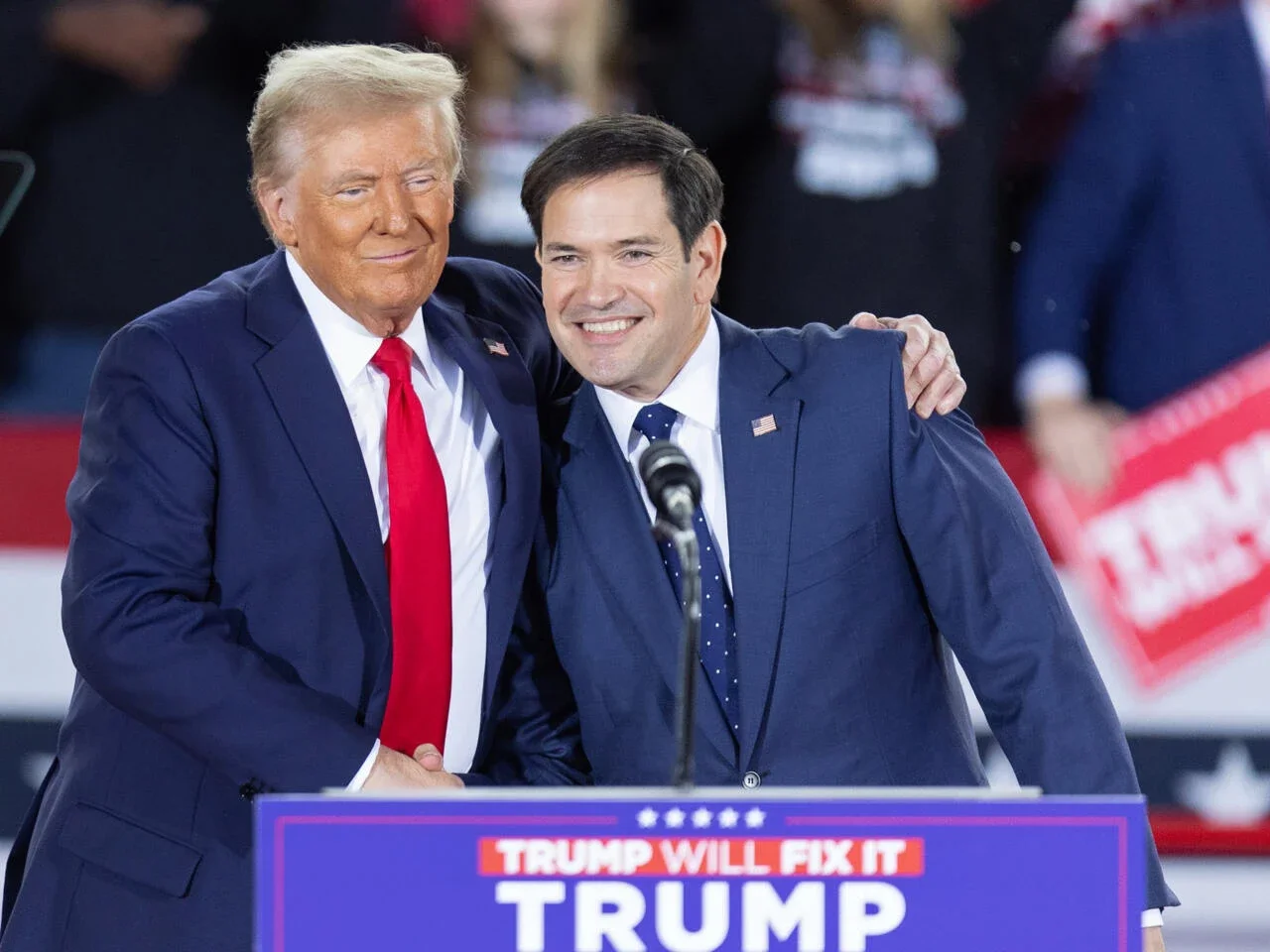
In this scenario, reports circulating in the West Wing indicate that JD Vance, at 41 years old, is seriously considering not running for president in 2028. This decision would be interpreted as a "tactical move" to avoid "taking on everything that has happened in recent years", particularly the consequences of the war with Iran.