The U.S. Secretary of State met with the Bolivian president in New York and linked the bilateral relationship to the economic reform program. Washington is also seeking to expand cooperation in energy, mining, security, and trade
The bilateral agenda also included issues related to security. Paz reported that he discussed with Rubio the fight against drug trafficking and terrorism, as well as strengthening the Bolivian Police and Armed Forces. Both governments also analyzed mechanisms to facilitate the entry of Bolivian products into the U.S. market.
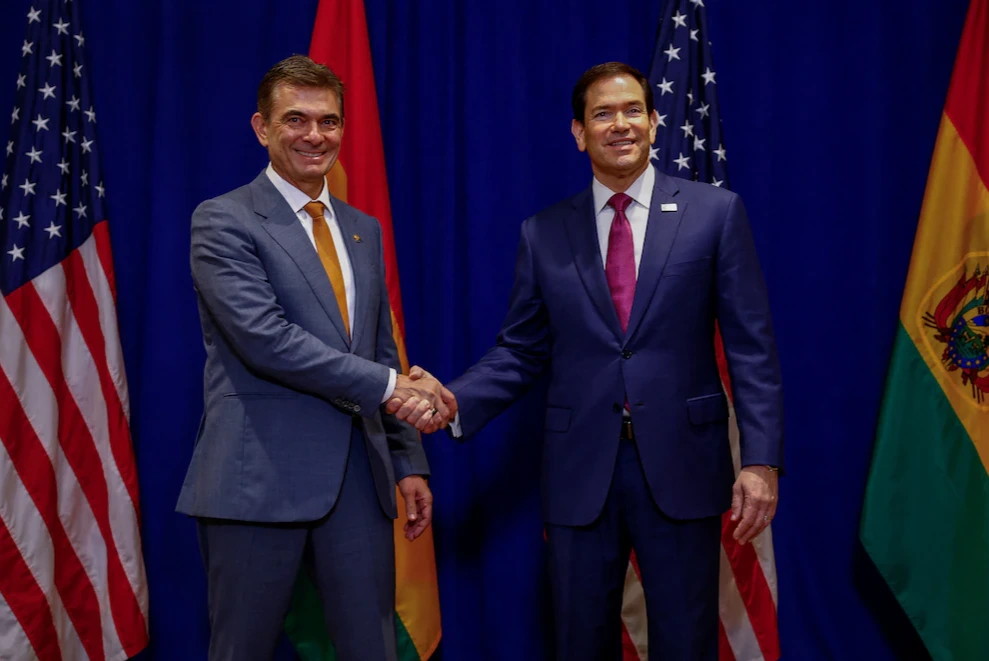
The U.S. Secretary of State, Marco Rubio, met in New York with the President of Bolivia, Rodrigo Paz, during the High-Level Week of the United Nations General Assembly. The meeting focused on the agreement reached by La Paz with the International Monetary Fund (IMF) and the reforms that the new Bolivian government intends to implement in strategic sectors of the economy.
Rubio described the meeting as “productive” and noted that the relationship between Washington and La Paz is important for Bolivia's plans to obtain financial support from the IMF and advance the reform of the fuel, mining, and energy sectors. The statement represents a political backing from the United States for the economic transformation process driven by Paz.
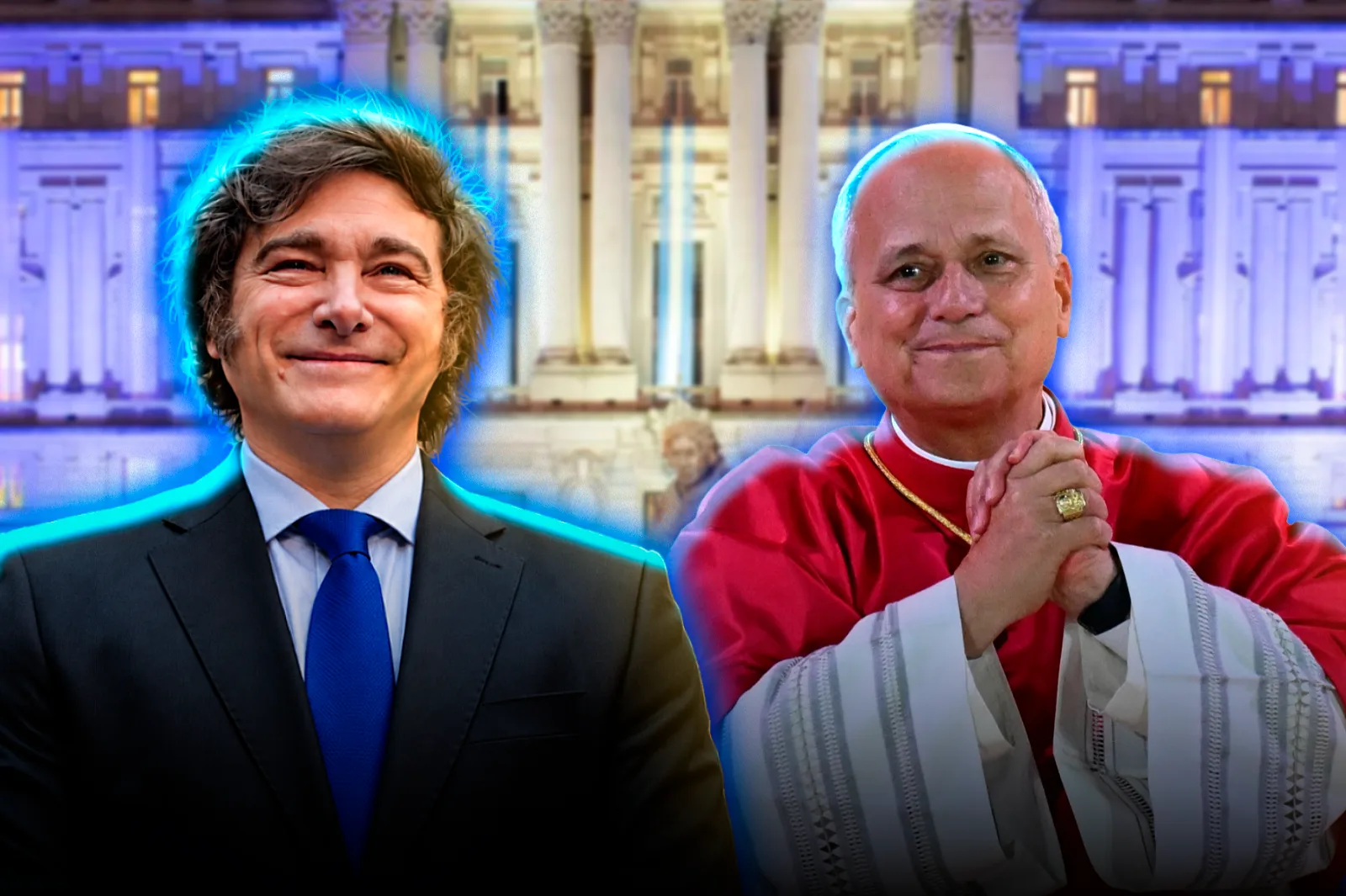
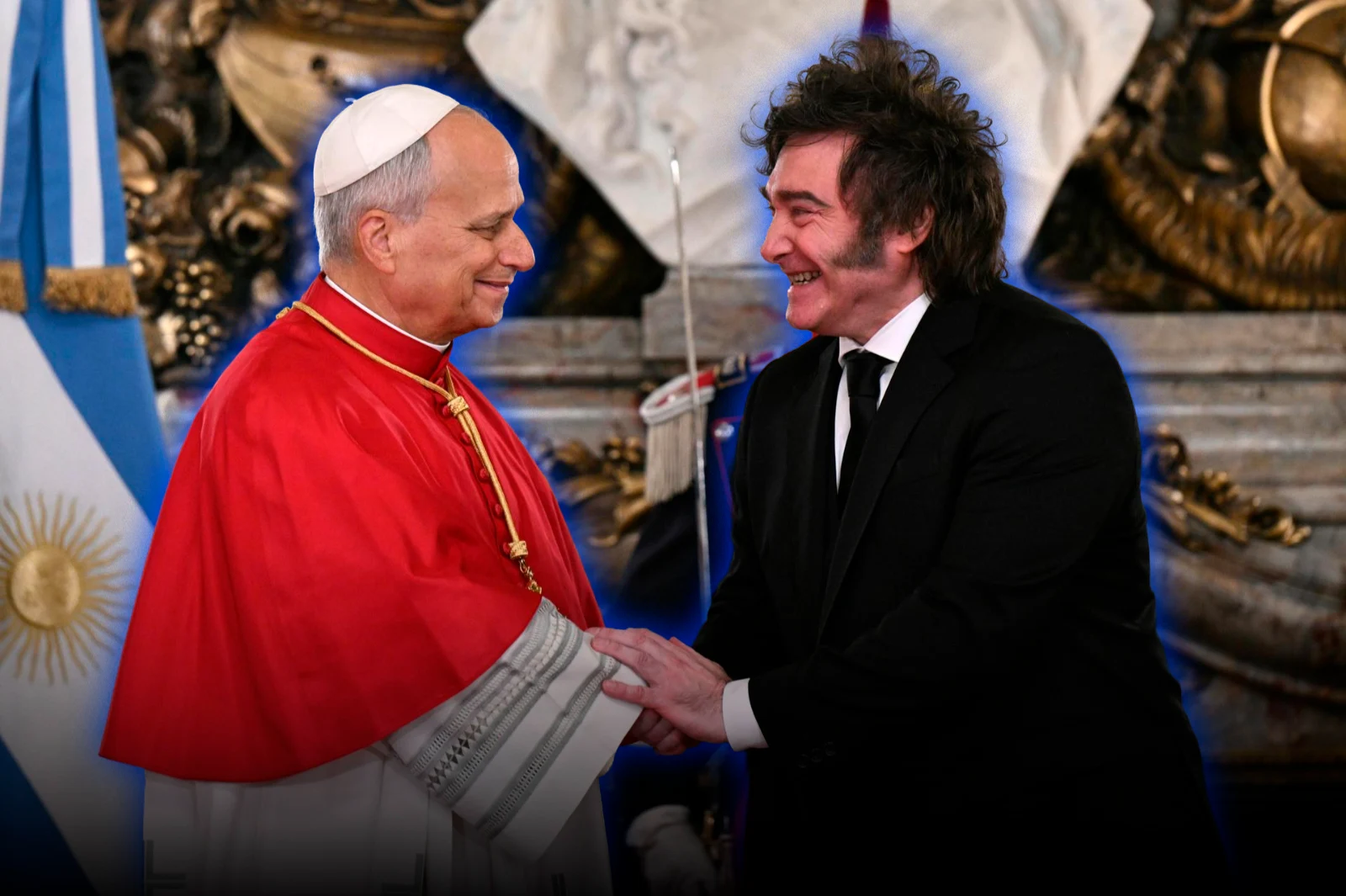
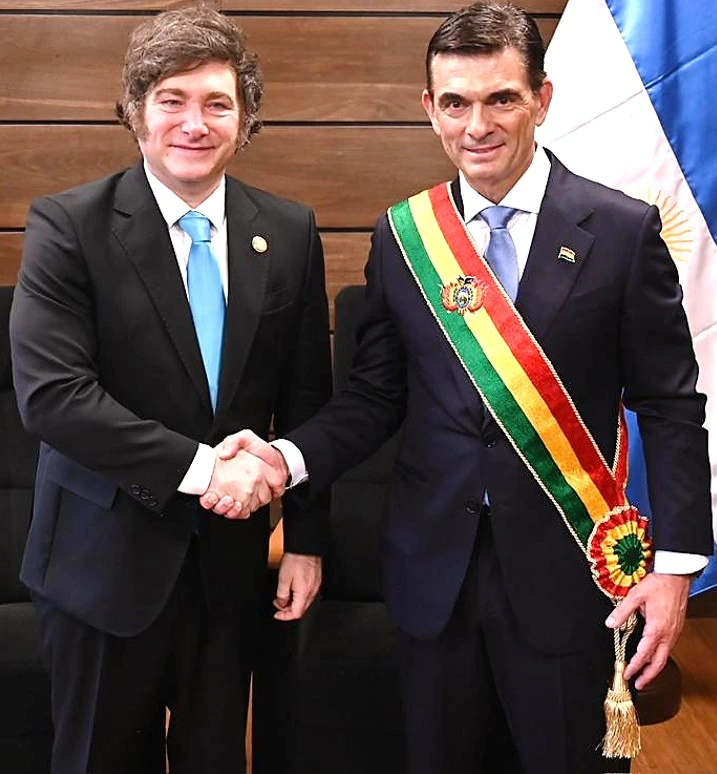
President Javier Milei alongside Rodrigo Paz
The agreement with the IMF includes financing of 1.9 billion dollars for Bolivia and is part of a program aimed at addressing the shortage of foreign currency, the deterioration of international reserves, and the high fiscal deficit. The agreement could also facilitate access to more than 5 billion dollars in additional funding from other international financial institutions.
In exchange for the financing, the Bolivian government must implement a stabilization program that includes a reduction of the fiscal deficit, greater monetary discipline, a flexibilization of the exchange rate regime, and reforms aimed at boosting productivity and investment.
Meanwhile, U.S. officials indicated that a new Bolivian investment legislation could facilitate the arrival of U.S. capital to sectors such as artificial intelligence, green energy, hydrocarbons, and mining.
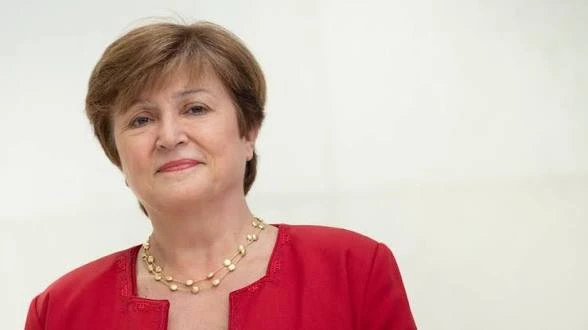
The director of the IMF Kristalina Georgieva
The meeting between Rubio and Paz took place just days after the Bolivian Congress approved the agreement with the IMF and the president enacted the law that enables the financing. The agreement still needs to complete its final approval before the Executive Board of the Fund.
The meeting in New York thus marks one of the first steps in the new relationship between Washington and the Paz government, with an agenda that combines international financing, economic reforms, trade openness, investments, and security cooperation.