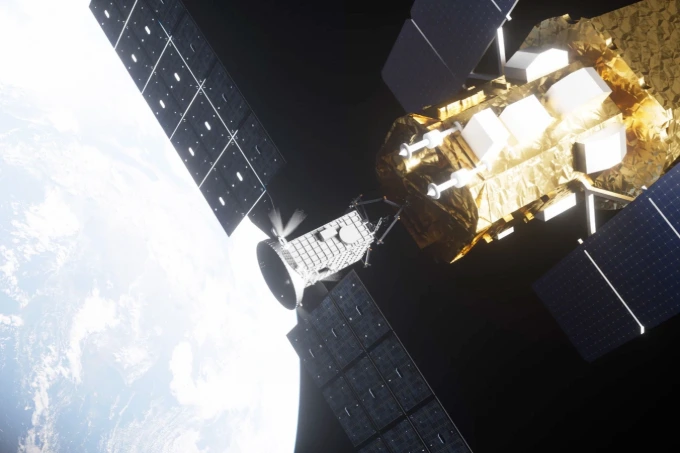
NASA confirmed that it has canceled the mission aimed at rescuing the Neil Gehrels Swift space observatory, which is expected to re-enter and disintegrate in the Earth's atmosphere this year. The decision ends the original plan to raise its orbit with Katalyst Space's LINK spacecraft.
The U.S. space agency attributed the change to a persistent attitude control issue with the LINK spacecraft, detected in late July. This failure causes the spacecraft to spin uncontrollably, resulting in intermittent communications and a partial loss of functionality in its propulsion system.
Although in July NASA and Katalyst were still optimistic about the possibility of achieving the goal, the situation evolved negatively. LINK will no longer dock with Swift or propel it to a safer altitude as planned.
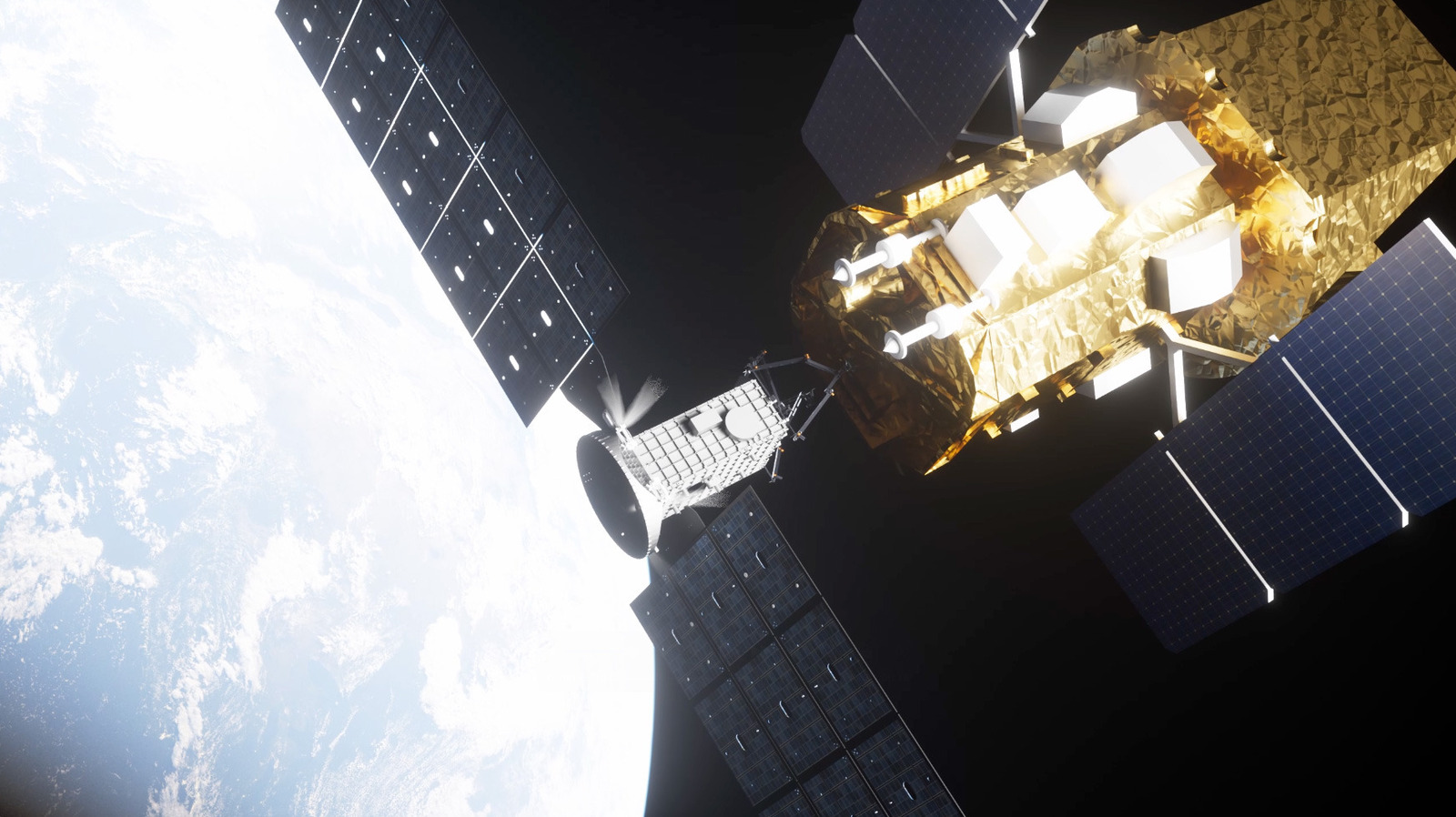
The project, dubbed Swift Boost, was designed in less than a year and launched in early July. Shawn Domagal-Goldman, director of the Astrophysics Division at NASA's headquarters in Washington, described it from the outset as a high-risk, high-reward mission.
A pioneering attempt against the clock
This was the first attempt of its kind, and the team had very little time to try to save the telescope. Swift's orbit is degrading rapidly due to increased solar activity in recent years.
The Swift observatory was launched in 2004 with the primary goal of studying gamma-ray bursts. Over time, astronomers have used it for multiple additional purposes. The agency relied on it to obtain critical information almost immediately whenever a sudden cosmic event occurred.
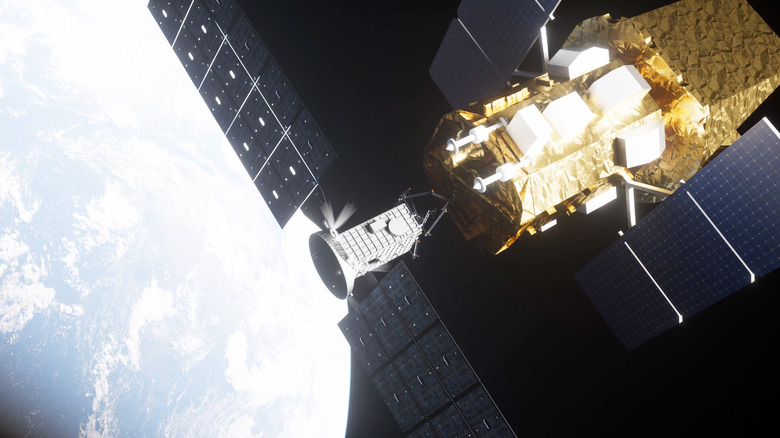
The rescue mission aimed to add about a decade more of operational life. Now, in light of the plan's failure, NASA indicated that it will prioritize the search for new options to respond quickly to cosmic events while using current missions to fill the temporal gap.
Although LINK will no longer raise Swift's orbit, it will attempt a close encounter with the telescope. NASA and Katalyst plan to collect as much data as possible during those rendezvous operations to apply it in future satellite servicing missions.
Lessons for the future of satellite servicing
NASA Administrator Jared Isaacman acknowledged that the outcome is not what was sought, but he maintained that it does not change the reason why it was worth trying. He emphasized that the team acted with extraordinary speed to give Swift the chance to continue doing science while also advancing capabilities that the United States will need for satellite servicing in the future.
Isaacman added that everything possible will be learned from LINK's rendezvous attempt and that those lessons will be applied in future missions. Thus, even though the observatory will not be saved, the accumulated experience will serve to develop more reliable orbital intervention technologies.
Swift, which has been in orbit for over two decades, has become a versatile tool beyond its original purpose. Its rapid response capability to transient phenomena has made it a valuable resource for the international astronomical community.
With the definitive cancellation of the orbital towing, the telescope will continue its natural descent trajectory. NASA is preparing to manage the closure of this phase while strengthening other platforms that can take on some of its monitoring and early warning functions in deep space.