

In an initiative to modernize its security system, Japan has moved forward with a historic structural reform aimed at strengthening its national intelligence capabilities.
The right-wing Prime Minister, Sanae Takaichi, announced the creation of the National Intelligence Office, along with the establishment of a National Intelligence Council that will be under her direct leadership.
The initiative, inspired by the model of the U.S. CIA, aims to centralize foreign intelligence, reinforce counterintelligence tasks, and create a more efficient framework to respond to threats and influence operations in an increasingly complex international context.
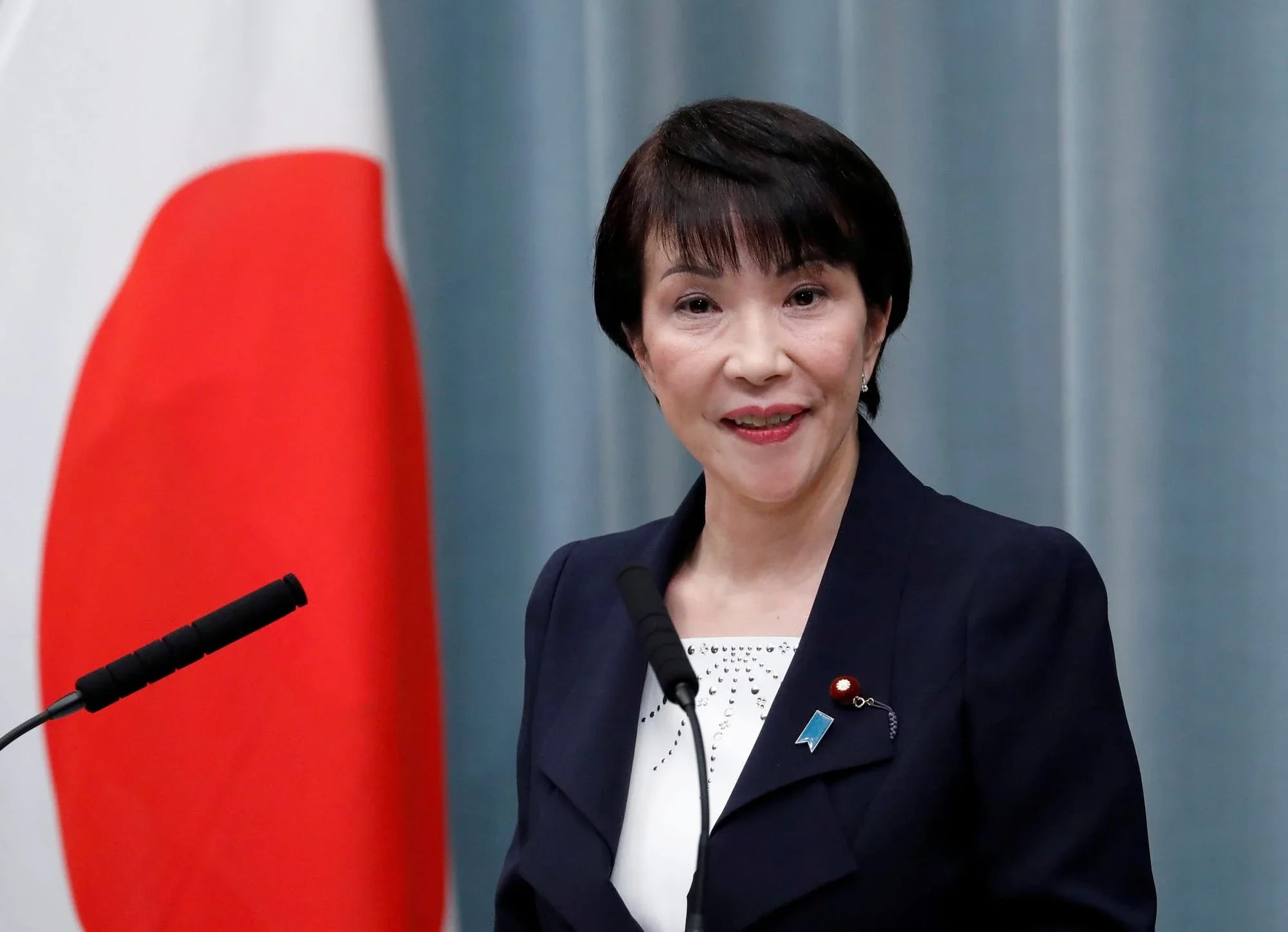
The project received broad support during its discussion in the Japanese Parliament, which passed the law considered historic for its impact on the country's institutional architecture.
The regulation also establishes the creation of a National Intelligence Council within the Cabinet, with the goal of unifying existing agencies and improving the response capacity to geopolitical challenges.
One of the central axes of the reform is the formation of an organization with greater coordination and analysis capacity. The new direction will have the authority to collect and process information comprehensively among the various ministries and government offices, allowing for optimized strategic decision-making.