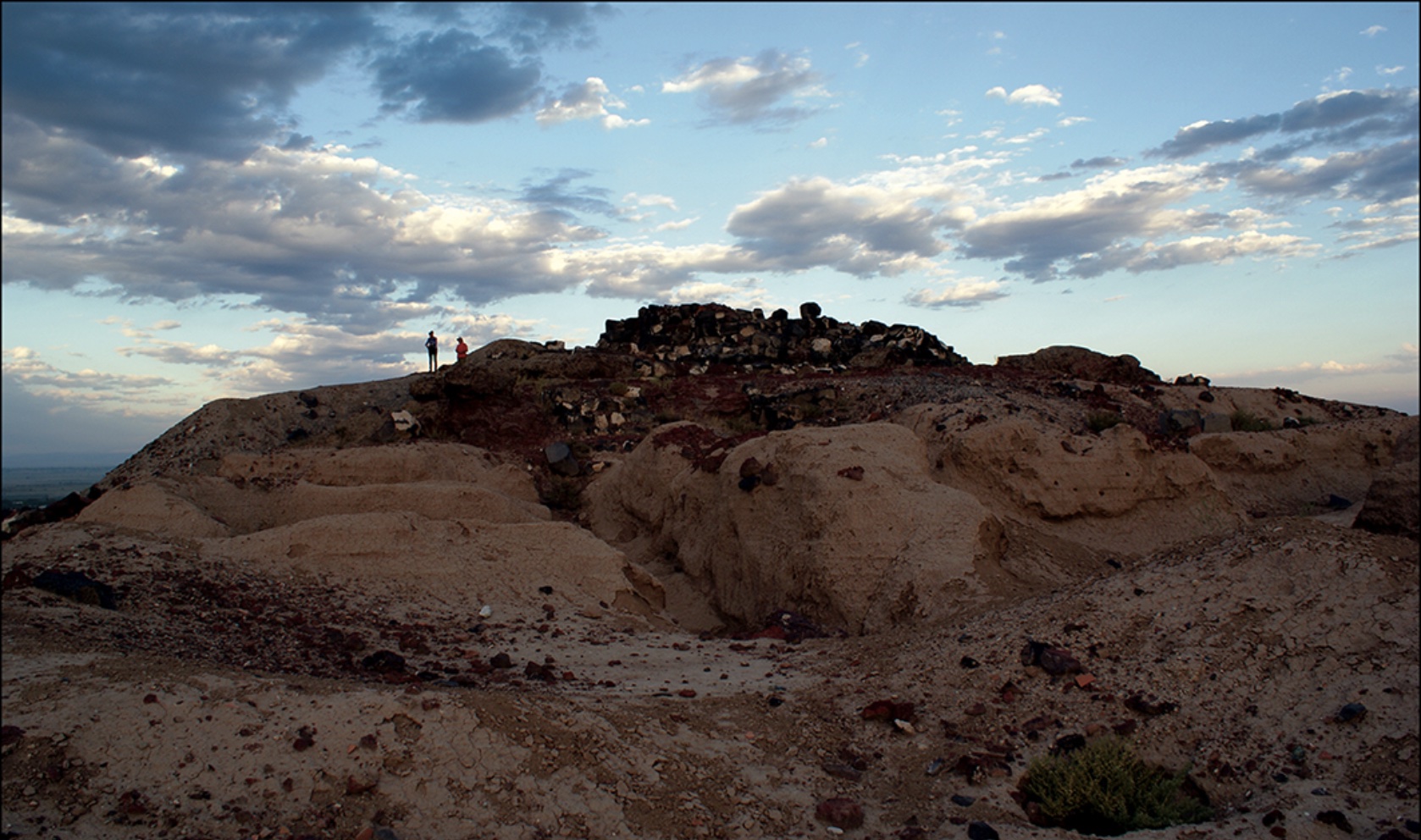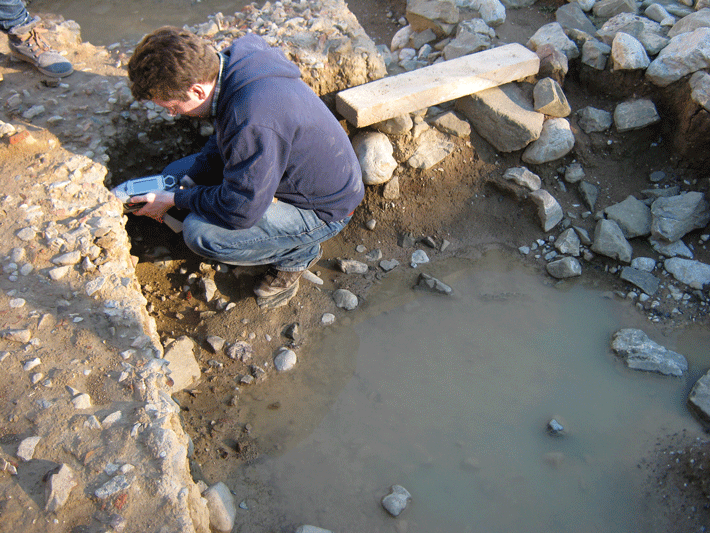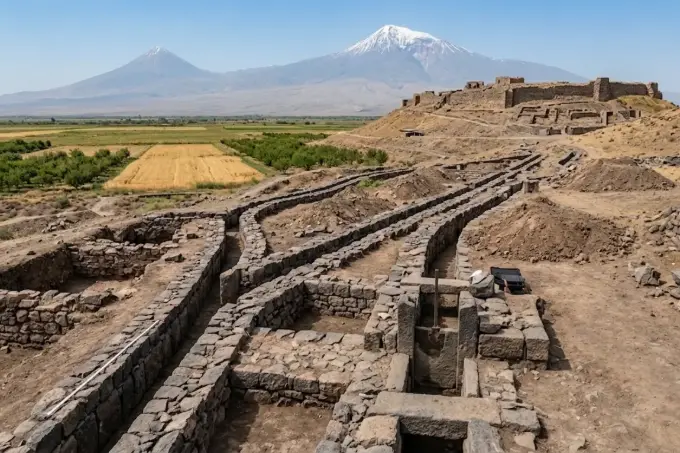

In the area of the ancient Urartian city of Argishtikhinili, in Armenia, an international team of researchers discovered an extensive network of over 600 miles of water management structures. Using satellite imagery and digital terrain models, they confirmed the existence of a sophisticated irrigation system built about 2,700 years ago.
This work allowed agriculture to flourish in the dry Ararat basin, a region that would otherwise have been very challenging for cultivation. The Urartians, an ancient kingdom that dominated parts of the Caucasus and Anatolia, ingeniously designed canals that transported water over long distances without the need for pumps.
Inscription on stelae from the Kingdom of Urartu already mentioned five main canals that supplied the city of Argishtikhinili, its fields, orchards, and vineyards. All of this supported the economy and power of the Urartian state.
The Key Role of Water in Antiquity
Specialists Nazarij Buławka and Krzysztof Jakubiak from the University of Warsaw, along with Inessa Karapetyan from the National Academy of Sciences of Armenia, led the study. They emphasized that the knowledge of artificial irrigation was not surprising for the Urartians, given their ability to transform arid landscapes into productive ones.