
Systemic thinking
Intersection of technology and society

Jensen Huang explained why programming will be automated and what skills will be key in the face of AI
Systemic thinking
Intersection of technology and society

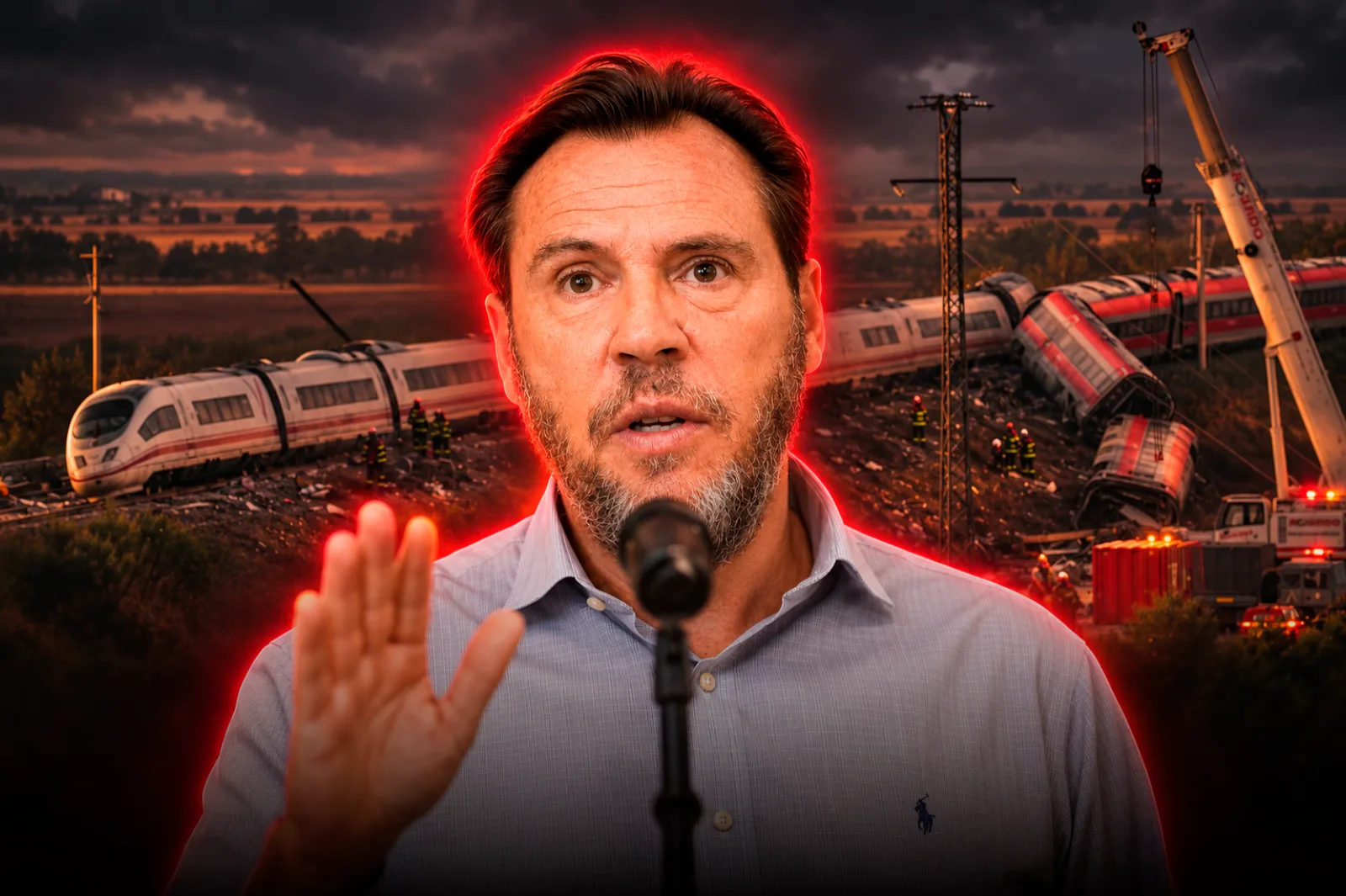




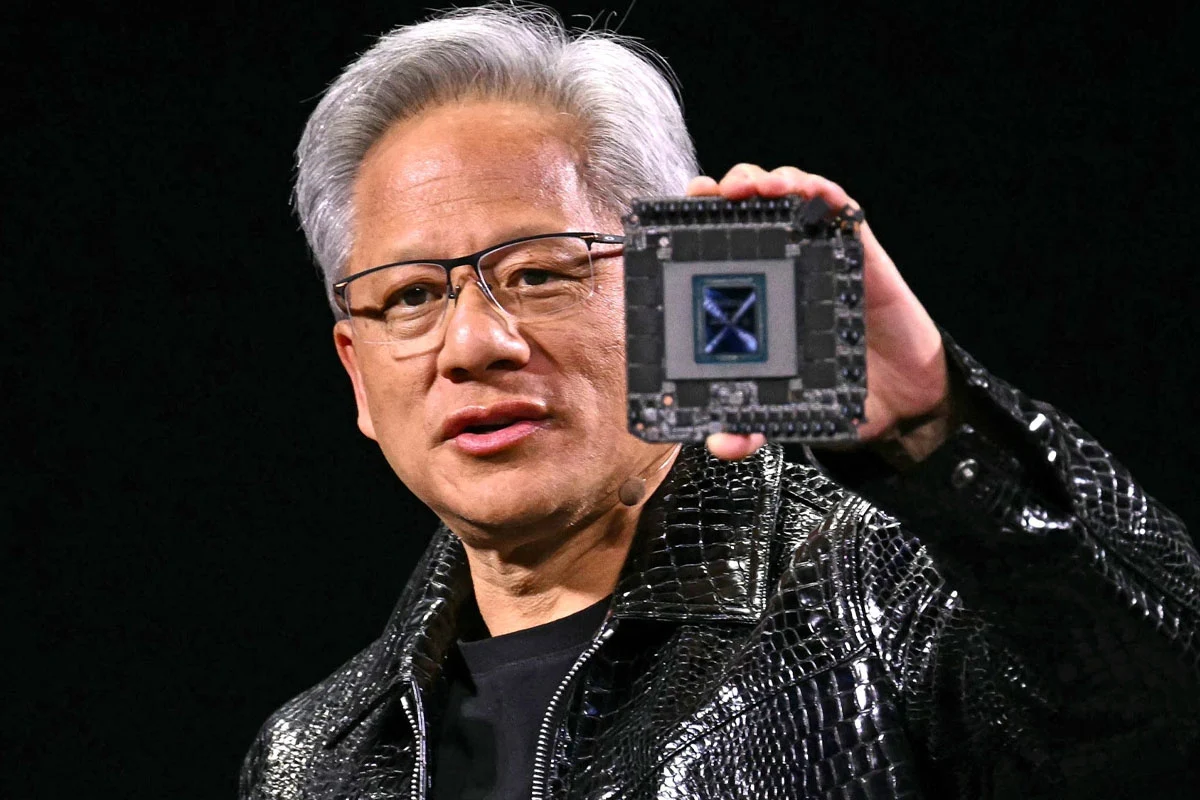
As an example, he recalled that designing a chip with 1,000 transistors was a challenge at the beginning of his career, while today NVIDIA works with designs of around one trillion transistors.
Huang questioned the idea that artificial intelligence will cause massive job destruction. He argued that AI automates specific tasks but does not necessarily eliminate the jobs that contain them.
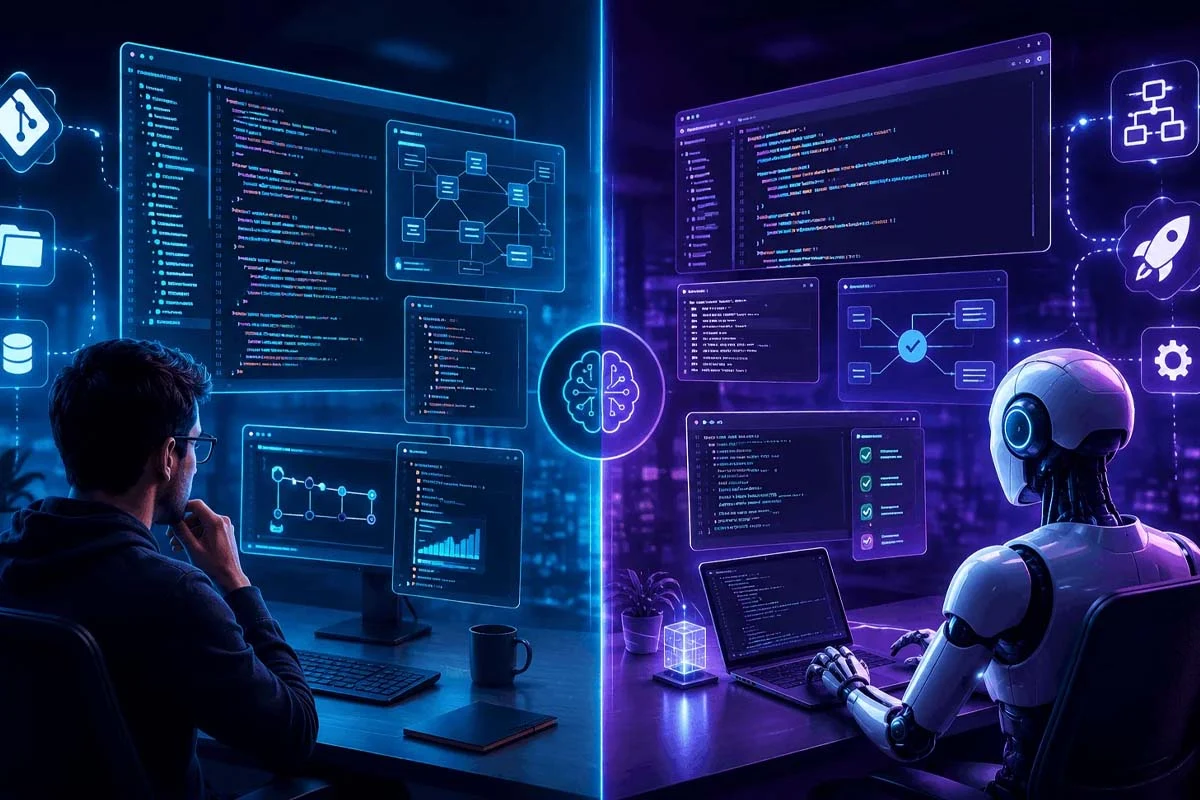
He cited examples such as software development, radiology, and legal services: if AI allows for more demand to be met, organizations may need more professionals to absorb that growth.
NVIDIA was founded in 1993 to reinvent three-dimensional graphics, but two years later its founders discovered that the chosen algorithm was incorrect. With little capital, Huang bought books on OpenGL to rebuild the product from scratch.
From that experience, he stated that no company can depend on a single technology: what matters is the ability to face reality and keep learning.
Huang described the current moment as the best in the last 60 years to create a company and emphasized that resilience is the most important skill to navigate technological uncertainty.
The founder and CEO of NVIDIA, Jensen Huang, stated that writing code will cease to occupy the central role it has had in the tech industry over the past decades. He explained that artificial intelligence will automate much of that task and will require the development of other skills.
Huang spoke during Startup School 2026, in a conversation with Garry Tan, CEO of Y Combinator, held at the Chase Center in San Francisco. There, he suggested that systemic thinking, hard sciences, and the ability to learn will be the decisive skills of the new economy.
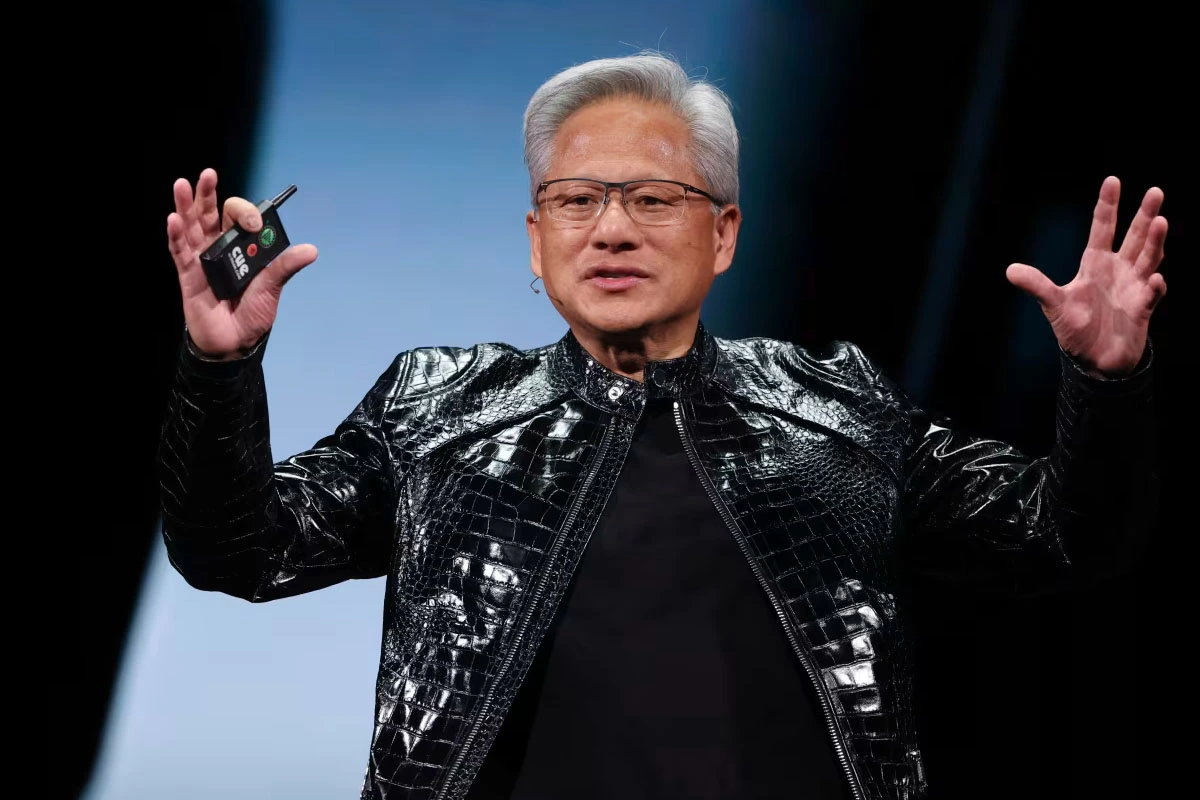
For Huang, solving a problem by writing code will be automated, just as happened with other tasks that became obsolete due to technology. The human differential will no longer be in mastering a programming language, but in deciding what to build and for what purpose.
Therefore, he placed systemic thinking among the most important skills: the ability to orchestrate millions of AI agents that solve problems autonomously.
When asked what a young person should learn, Huang dismissed abandoning technical training. He believed that automation will reduce the value of simple tasks but will expand the problems that can be addressed.
Physics, chemistry, and biology
Computer science and computer engineering



