“It’s okay to start working now on things that require smarter or cheaper models”, he stated, although he acknowledged that this strategy involves taking risks if technological evolution does not occur as expected.
Why we need to build for the models to come
Why reducing staff is not enough to be an AI-native startup
Altman admits that some companies have begun to reduce teams and allocate more budget to tools like Codex, but he believes that this change is insufficient. “It probably should look very different”, he suggested about how a startup should be in this era.
For the executive, a truly AI-native company should rethink from scratch how it develops products, distributes tasks, makes decisions, and scales, rather than merely automating existing positions.
The challenge of abandoning projects that work well
According to Altman, speed does not eliminate the need to choose. “If something isn’t working and you’re out of ideas, you can eliminate it. That’s easier. What’s really hard is when something is working very well: when do you decide to eliminate the other things to make it work even better”, he explained.
The challenge of abandoning projects that are working well
OpenAI has gone through decisions of this type: when GPT-3 began to show results, the organization reduced promising projects, such as its developments in robotics, to concentrate efforts on language models.
How to distinguish a real trend from a passing fad
Altman also presented a criterion for recognizing genuine adoption: observing what happens after people try a product, beyond the initial investment or media coverage.
How to distinguish a real trend from a passing fad
That was the signal he identified after the launch of ChatGPT. When the tool surpassed one million users on its fifth day, he understood that OpenAI was about to become a company of mass-market products.
What Altman looks for in leadership teams
For the CEO, about 90% of an organization’s speed depends on the people chosen for its leadership positions. That’s why one of the traits he analyzes most in each executive is whether they are someone who moves quickly or slowly.
Altman also emphasized the importance of learning to coexist with crises: “I don’t think it’s something that can be taught. I think it can only be learned”, he stated.
What does Altman look for in leadership teams
The challenge OpenAI took on against Claude Code
Altman mentioned OpenAI's effort to compete in the programming tools market when the company was behind Claude Code. Despite the consensus indicating that gaining that momentum was nearly impossible, the company decided to take on the challenge.
For Altman, not all battles deserve that effort, but there are areas so crucial to a company’s mission that giving up on them can be riskier than attempting the improbable.
For Sam Altman, a good part of the entrepreneurs still organize their companies with inherited models from the last decade. Although they hire fewer people and incorporate artificial intelligence tools, they maintain structures and processes designed for a different technological context.
“A startup today still looks mainly like a startup from ten years ago because that is the received wisdom on how it is supposed to be done”, said the CEO and co-founder of OpenAI during an extensive interview in the Relentless series.
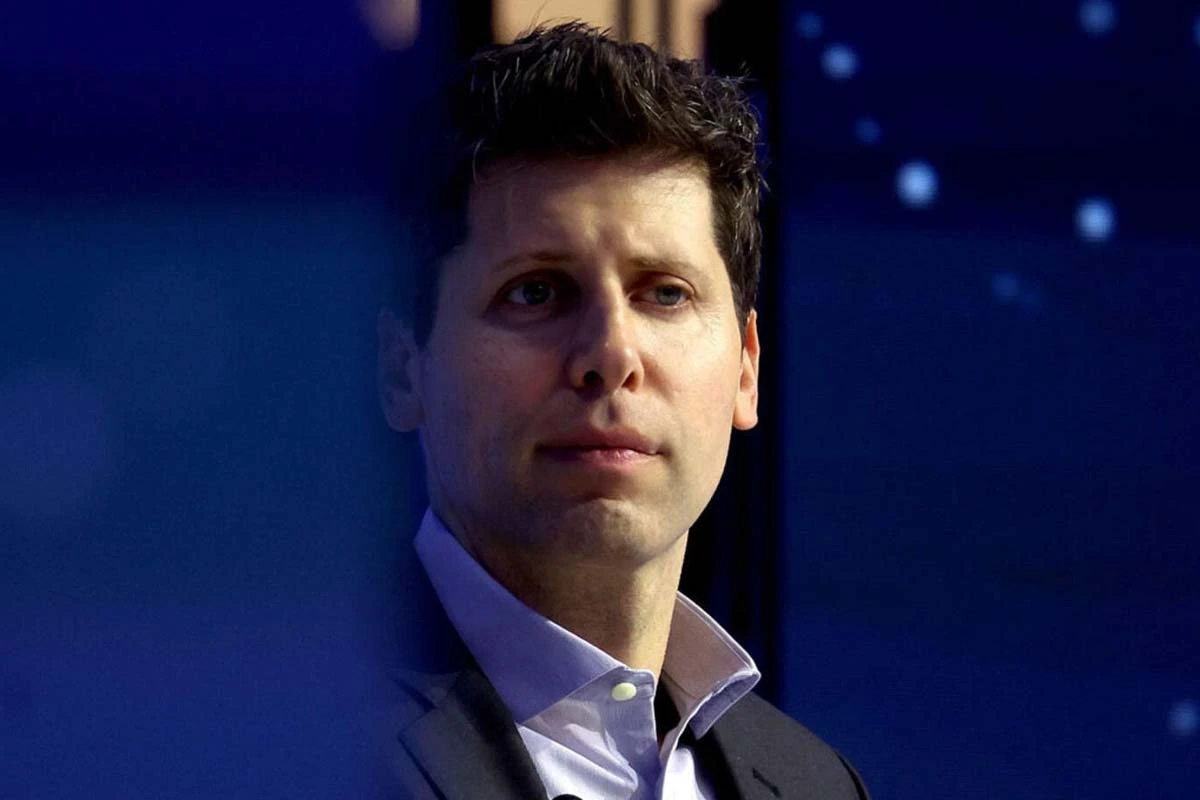
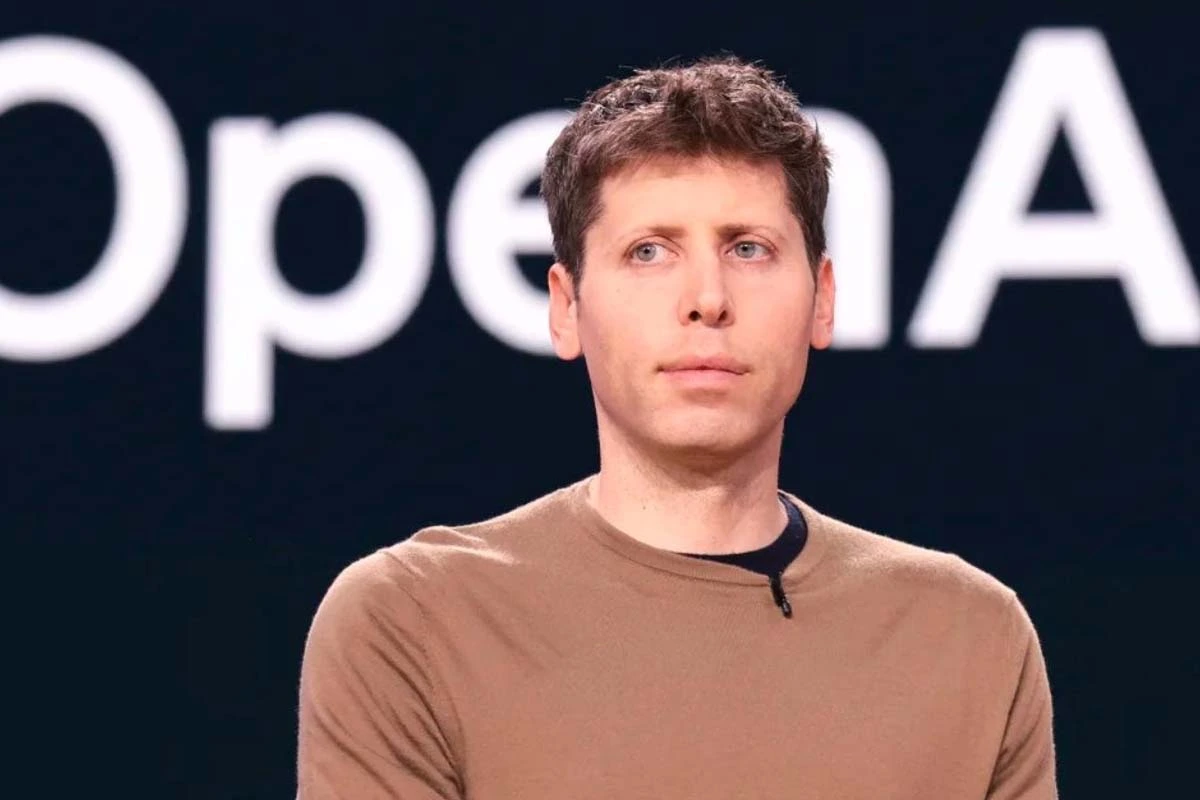
Sam Altman
What classic advice remains relevant according to Sam Altman
Altman's questioning does not imply that traditional principles have lost value. Throughout the conversation, he recalled several classic pieces of advice: understand the problem before building a solution, form good teams, concentrate resources, and recognize when a product generates genuine adoption.
However, he incorporated a central difference: artificial intelligence is not just a tool to execute those steps more efficiently; it also modifies the speed, scale, and type of company that can be created.
Doing in weeks what used to take a year
“It’s incredible how a startup can look now after just ten weeks”, noted Altman. The executive exemplified the change with a startup that had developed a complete productivity suite in just two weeks, designed from the outset for AI to use as a first-class consumer.
Do in weeks what used to take a year
As he explained, building a product with those characteristics would have required nearly a year until recently. For Altman, this scenario particularly favors startups: “Startups have the greatest advantage when the ground is changing the most”, he summarized.
Why big tech companies haven't achieved a definitive advantage
The very case of OpenAI serves as an example for Altman, who acknowledges that it is difficult to explain why large companies with more capital, infrastructure, and talent have not managed to take the lead in artificial intelligence.
Why the big tech companies did not achieve a definitive advantage
The answer, according to the executive, lies in the difficulty that established organizations have in reacting to transformations that challenge their previous structures.
The risk of applying AI to the same as everyone else
Altman does not rule out the model of applying artificial intelligence agents to a specific industry, although he anticipates that those companies will face intense competition and will likely not define this technological stage.
“I’m surprised there aren’t more people saying: 'I’m going to take on this completely crazy challenge with this new set of tools'”, he stated. The startups with the greatest potential, according to his reasoning, would be those capable of solving problems that until now seemed too complex or costly.
The risk of applying AI to the same things as everyone else
Why we need to build for the models to come
One of Sam Altman's main pieces of advice is not to design a startup solely based on the current capabilities of technology. The CEO argues that founders should incorporate the possibility that models will continue to become smarter and cheaper.