
Mining and shipping companies also withdraw
The U.S. pressure is not limited to tourism.
The Canadian company Sherritt, one of the main foreign mining companies present in Cuba since the 1990s, announced the abandonment of its operations linked to nickel and cobalt extraction.
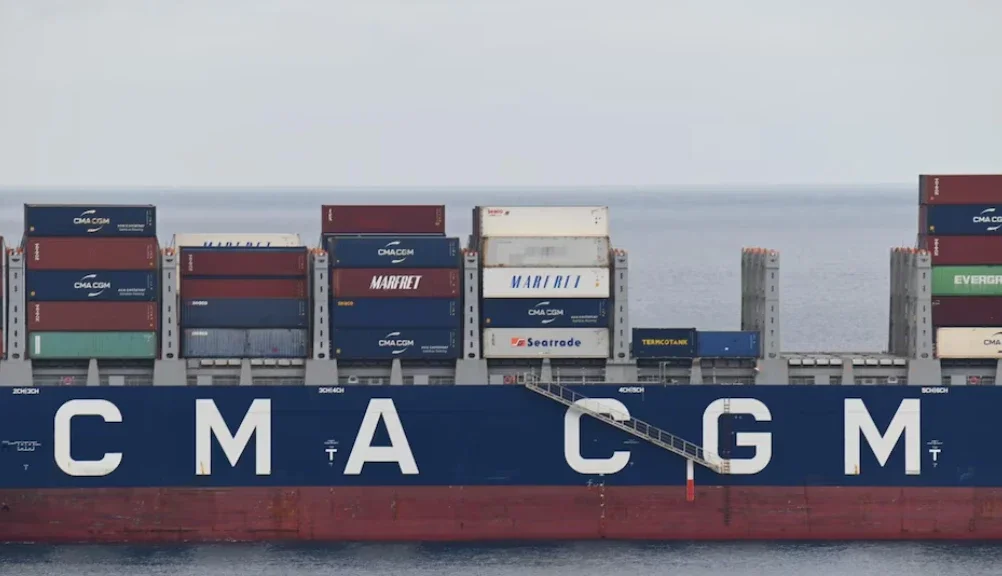
At the same time, shipping companies CMA CGM and Hapag-Lloyd suspended cargo bookings to the island while they assess the impact of the new sanctions.
The combination of less tourism, reduced mining activity, and greater logistical difficulties threatens to further deepen the foreign currency shortage affecting the regime.
An increasingly complicated scenario for Havana
Secretary of State Marco Rubio, one of the main proponents of the hardline stance against the Cuban regime, recently denounced that Gaesa controls about 70% of the island's economy and operates as an instrument of corruption and enrichment for the ruling elite.
For many analysts, the economic impact could be devastating.
Cuban economist Daniel Torralbas warned that the simultaneous exit of banks, hotel chains, shipping companies, and mining companies could make 2026 one of the worst economic years in Cuba's recent history.
As Washington tightens the financial and commercial blockade, the regime faces an increasingly complex scenario to sustain its foreign currency income, finance essential imports, and avoid further deterioration of the living conditions of the Cuban population.