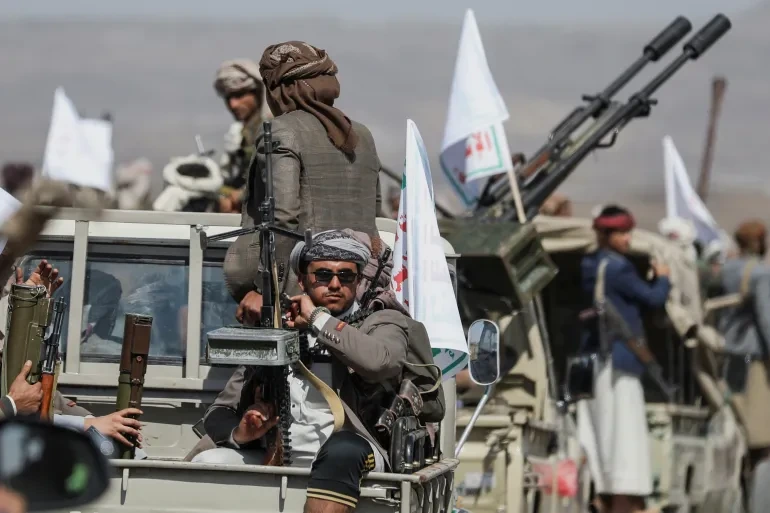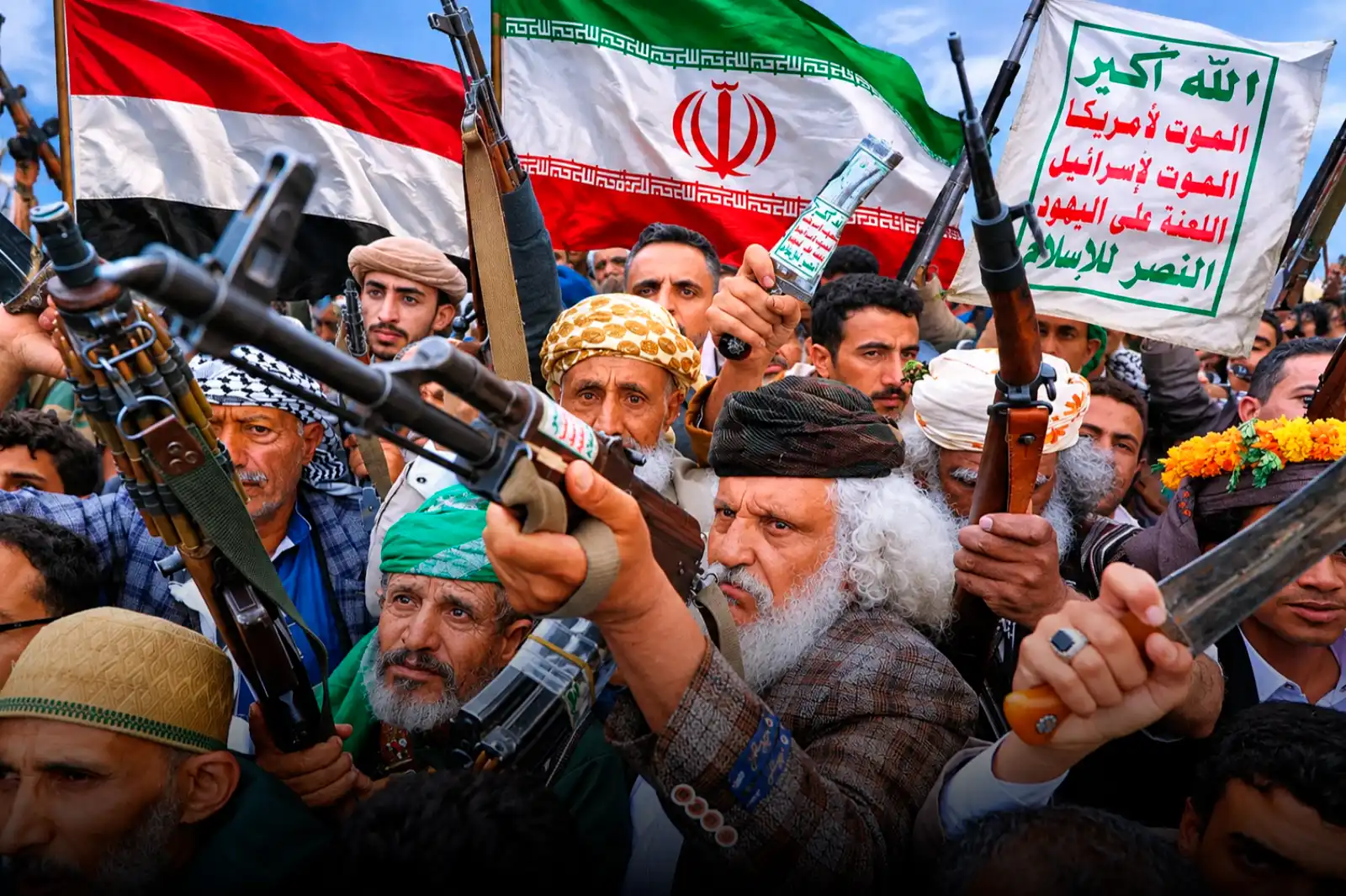







The escalation of violence in Yemen and its repercussions on the security of the Persian Gulf have revived criticism against the Iranian regime, accused of militarily and financially supporting the Yemeni Houthi rebels. Yemen's Foreign Minister, Afrah Al-Zouba, warned this Saturday that protecting the strategic Bab el Mandeb Strait and ensuring international navigation requires directly confronting the source of the threat: stopping the supply of weapons and ending Tehran's support for the Shiite militia, which she labeled a terrorist organization.
The minister made these statements during the Manama Dialogue, the annual regional security conference organized by the International Institute for Strategic Studies (IISS) in Bahrain, which began on October 30 and concludes this Sunday.
Subsequently, she summarized her position in a post on X, where she insisted on the need to enforce the arms embargo, support Yemen's legitimate institutions, and curb Iranian influence over armed groups that destabilize the region.
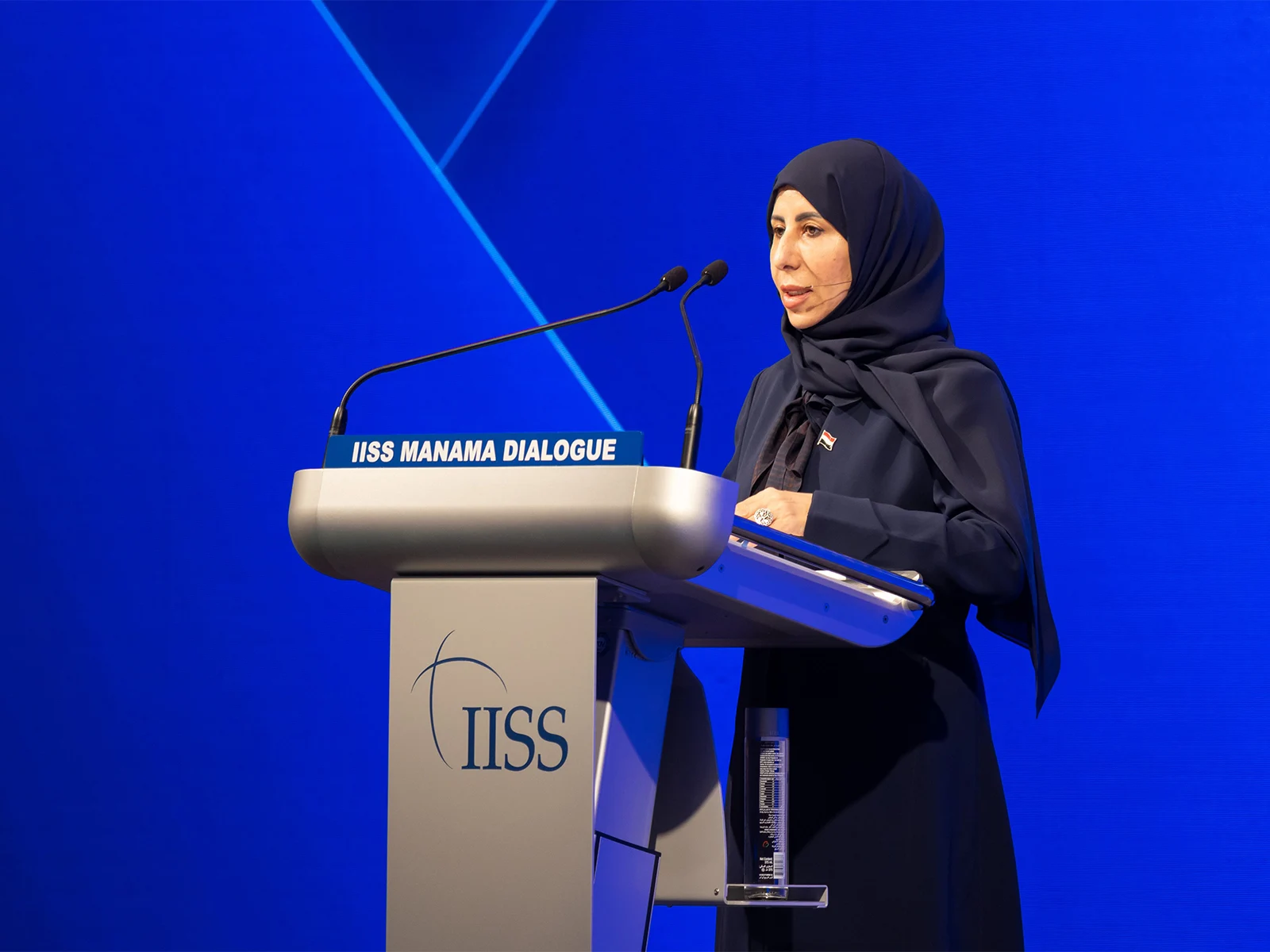
Al-Zouba stated that there can be no lasting regional security while Yemen remains fragmented and under the threat of externally backed organizations. In this regard, she called for restoring state authority across the territory and ensuring that decisions regarding war and peace, as well as control of arms, remain exclusively in the hands of legitimate national institutions.
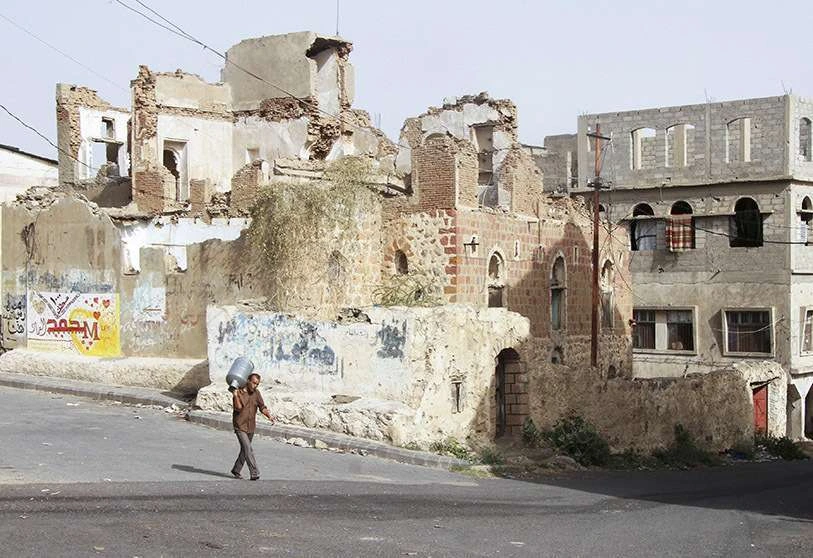
The foreign minister also denounced the prolonged siege of Taiz, a city in the south of the country, which she described as a ''war crime.'' She demanded international intervention to lift the blockade and permanently reopen access routes, which keep part of the civilian population isolated.
Al-Zouba took office on July 23 and became the first woman to hold the Yemeni Foreign Ministry. She represents the internationally recognized government, which is opposed to the Houthis, who control Sana'a and large areas of the western part of the country. Before her appointment, she served as Minister of Planning and International Cooperation and has over 25 years of experience in development and peacebuilding.
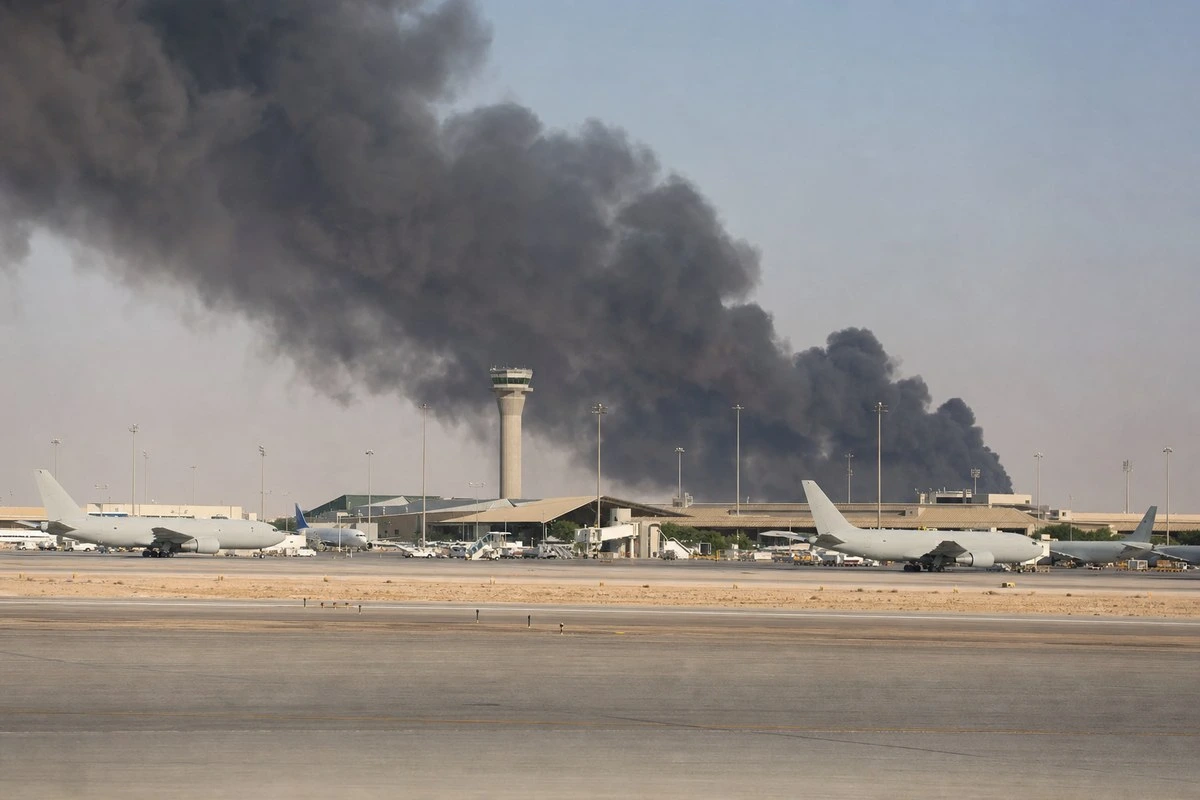
While the Yemeni government calls for measures against Tehran, the consequences of the Houthi offensive are already directly affecting the infrastructure and air transport of Saudi Arabia. According to reports, approximately 94% of the flights scheduled to depart from King Khalid International Airport in Riyadh were canceled between October 10 and 27.
The deadliest incident occurred on October 10, when a ballistic missile struck an airport terminal complex. Saudi authorities initially reported 12 fatalities and around 300 injuries. One of the injured later died. Among the victims was an American citizen. The attack became the deadliest against the kingdom in over a decade.