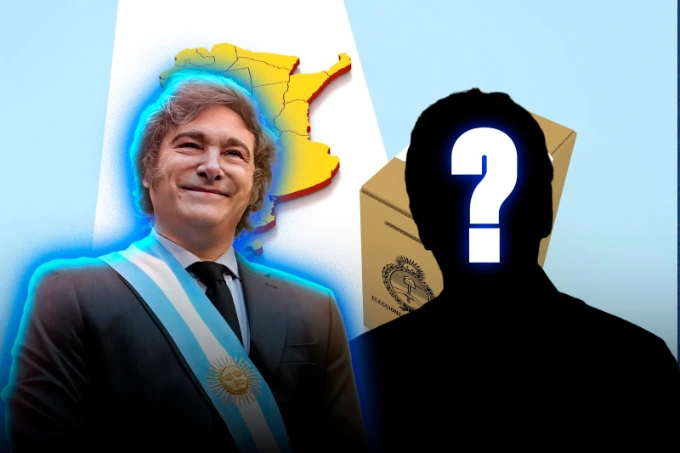
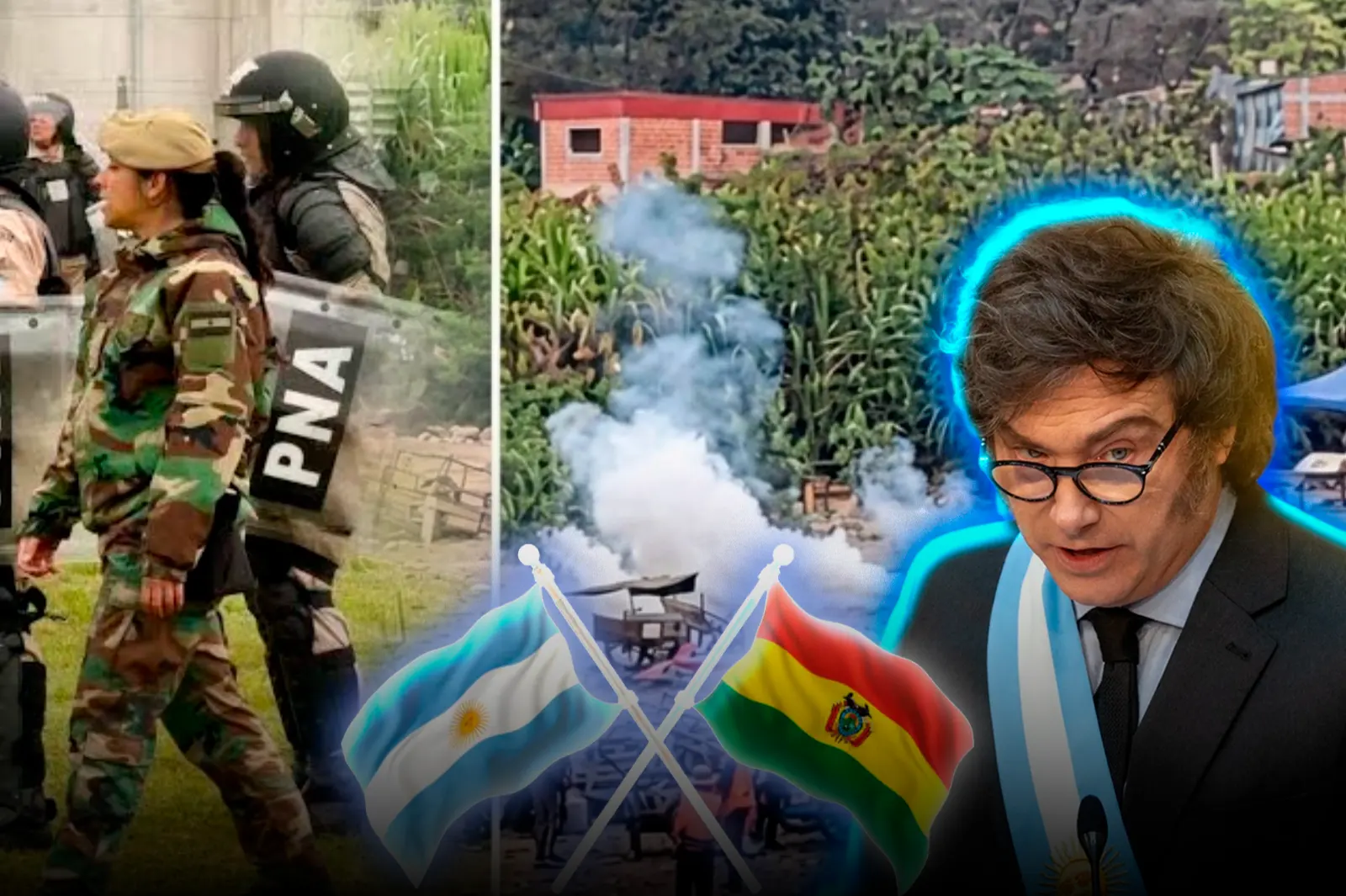
President Javier Milei revealed that he has already defined his running mate for the upcoming elections, although he decided to keep the name confidential.
The confirmation was made during an interview in which he also linked this decision to another of the government's priorities: the elimination of the Open, Simultaneous, and Mandatory Primaries (PASO), which he described as an unnecessary expense for the State.
“I have defined my running mate for next year, but I prefer to keep the name reserved for the moment,” the president stated. Regarding the primary system, he reaffirmed his historical stance against it and pointed out that the PASO “do not serve any real function other than wasting taxpayer money on private internal party matters that should be resolved internally.”
President Javier Milei
He indicated that the annual cost of this mechanism amounts to about USD 250 million, which is why the government is pushing for its elimination in Congress.
The Central Bank Reform
In parallel, Milei confirmed that the main legislative initiative of his administration for the second half of the year will be the reform of the Central Bank's Organic Charter. The goal, he explained, is to establish by law clear limits on political intervention over the monetary authority and prohibit the issuance of money to finance the Treasury.
The President argued that it is not enough to have cleaned up the Central Bank's balance sheet if future administrations can reverse that process.
In this regard, he raised the need to “shield” the institution. “We need to shield the presidents of the BCRA from being removed by the current power, which is always capricious,” he asserted, while insisting that monetary stability must be guaranteed by firm rules.
On economic matters, Milei defended the results of his administration and listed a series of achievements that mark a change in direction. Among them, he mentioned the fiscal surplus, the deceleration of inflation, the exit from currency controls, and the rebuilding of reserves. He also stated that the government has managed to regain international credibility by fulfilling “each and every one” of its obligations.
President Javier Milei
Economic Growth and Investments
The president also stated that economic activity has reached record levels and projected a sustained growth cycle. According to his statements, Argentina could register three consecutive years of GDP expansion for the first time in 15 years.
However, he acknowledged that these advances have not yet fully reflected in the income of all citizens. “It is normal that there are still Argentines who do not perceive this trend of improvement in their pockets. Fixing in two years what was broken in a century takes time, and we are not going to lie to the people with shortcuts,” he noted.
Regarding the relationship with international organizations, Milei stated that missions from the International Monetary Fund are coming to the country to support “a successful program” that exceeds the established goals.
He also highlighted the flow of investments driven by the Large Investment Incentive Regime (RIGI), which already has projects approved for over USD 46 billion and others under evaluation that exceed USD 100 billion.
The President also made it clear his stance regarding the role of the State in the economy, ruling out any direct intervention to guide private sector decisions. “If you expect a dirigiste response from me, know that you will not get it. I do not plan to take the private sector by the hand and tell them ‘you should invest here’ or ‘you should invest there’. We came to level the playing field and to remove the State from above the private sector,” he asserted.
Finally, when asked about the legacy he seeks to leave, Milei expressed his intention to be remembered as the leader who reversed the course of a declining country, in line with the mandate given to him by society at the polls.