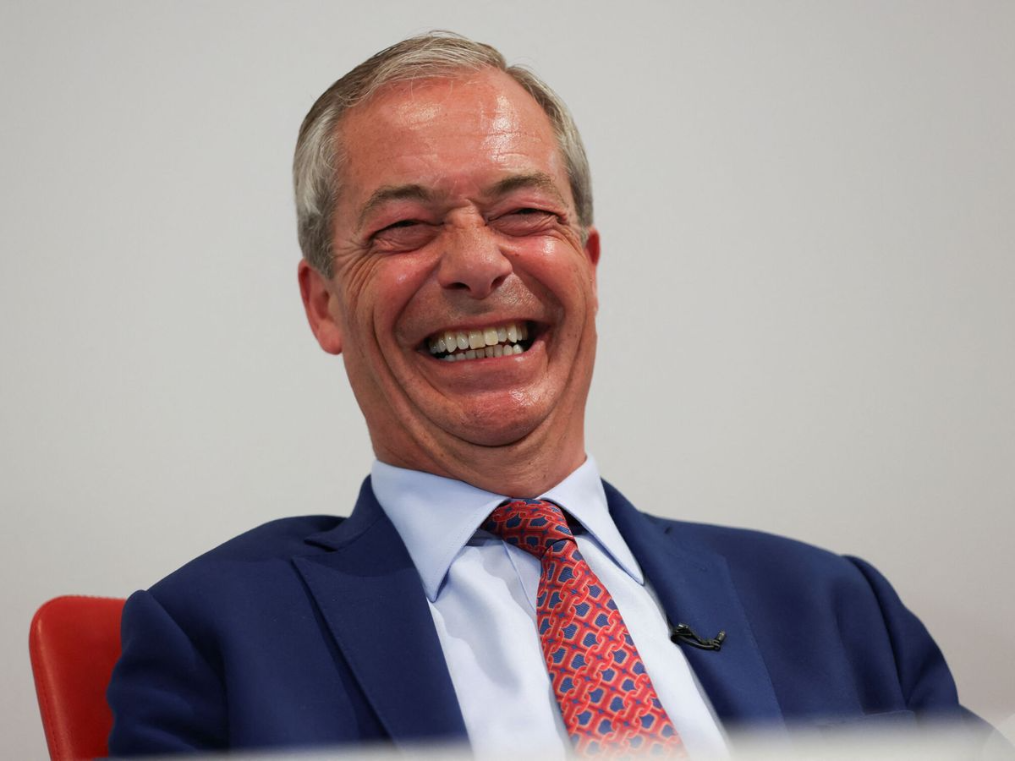
The right-wing party "Reform UK," led by Nigel Farage, has experienced incredible growth in the recent elections.
Criticism of Starmer has rapidly increased in recent days. A significant sector of Labour questions whether the Prime Minister has abandoned part of the social agenda that allowed the party to return to power after years of Conservative governments. They also accuse him of governing with excessive caution, prioritizing the stability of financial markets over the economic demands of working-class sectors.
Several lawmakers also believe that Starmer has lost connection with the party's traditional bases in the industrial north of the country, where the cost of living, job insecurity, and the deterioration of public services remain priority issues. For many local leaders, the Prime Minister's moderate strategy has allowed ''Reform UK'' to capitalize on popular discontent.
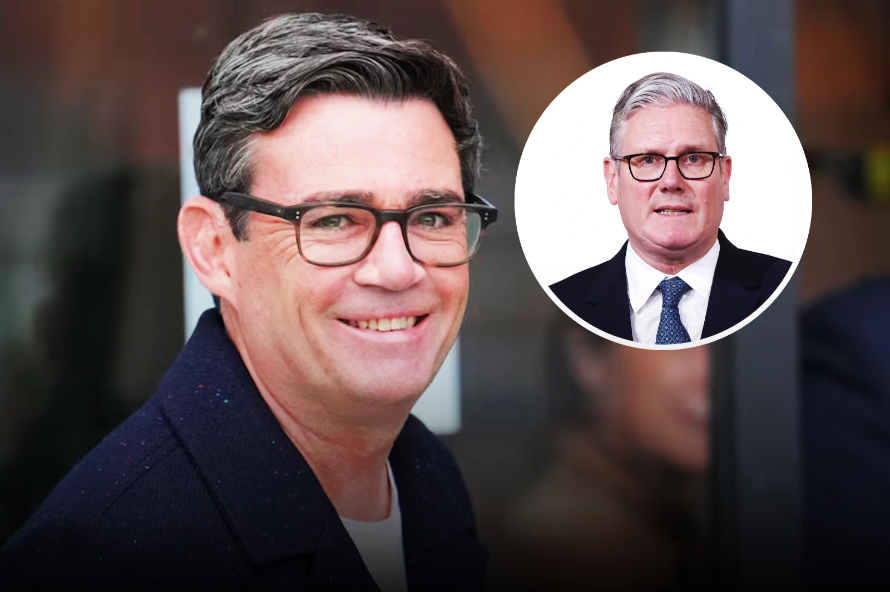
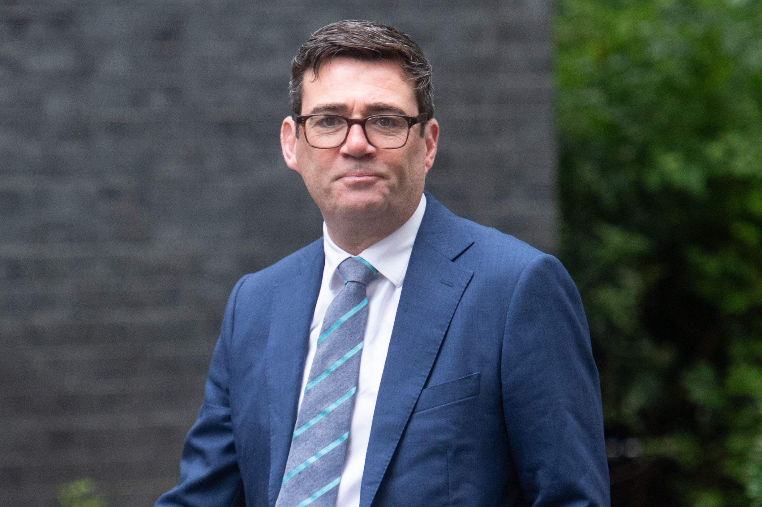
The British Labour Party is going through a growing internal crisis after the national leadership authorized this Friday the Mayor of Greater Manchester, Andy Burnham, to participate in the candidate selection process for the by-election in the Makerfield constituency.
The decision paves the way for Burnham's return to the British Parliament and fuels speculation about a potential challenge to the leadership of Prime Minister Keir Starmer, whose position has weakened following a series of political defeats and growing criticism within his own party.
The authorization was confirmed by a spokesperson for the National Executive Committee (NEC) of Labour, which months ago had blocked the possibility of Burnham returning to Westminster. In January, the party leadership had explicitly backed Starmer to prevent influential figures from positioning themselves as leadership alternatives. However, internal pressure and the political deterioration of the government forced the party to reverse that decision.
The Labour Party authorized the mayor of Manchester to challenge the socialist Prime Minister Keir Starmer for power.
The vacancy in Makerfield arose after the surprising resignation of MP Josh Simons, 32, who left his seat to facilitate Burnham's parliamentary return. Simons' departure also necessitates calling new elections for the Greater Manchester mayoralty, one of Labour's main strongholds in the north of England.
The by-election, which will be held on June 18, has quickly become a decisive test for the future of Starmer's government. If Burnham manages to win and return to Parliament, many analysts believe he will be in a position to lead an internal rebellion against the Prime Minister or even formally contest the party leadership.
The crisis within Labour deepened after the poor results obtained in the municipal and regional elections on May 7. In several historically working-class areas aligned with the party, the advance of Nigel Farage and his party ''Reform UK'' caused alarm among Labour MPs.
Farage's party achieved significant victories in regions of northern England and promised to aggressively contest the election in Makerfield, where the Labour majority was just 5,399 votes in the 2024 general elections.
Political tension has also begun to impact the British economy. The markets reacted negatively to the possibility of an internal dispute for the Labour leadership, and this Friday the UK's borrowing costs recorded their largest increase in over a year. Investors and analysts expressed concern over the political uncertainty at a time of weak economic growth and pressure on public finances.
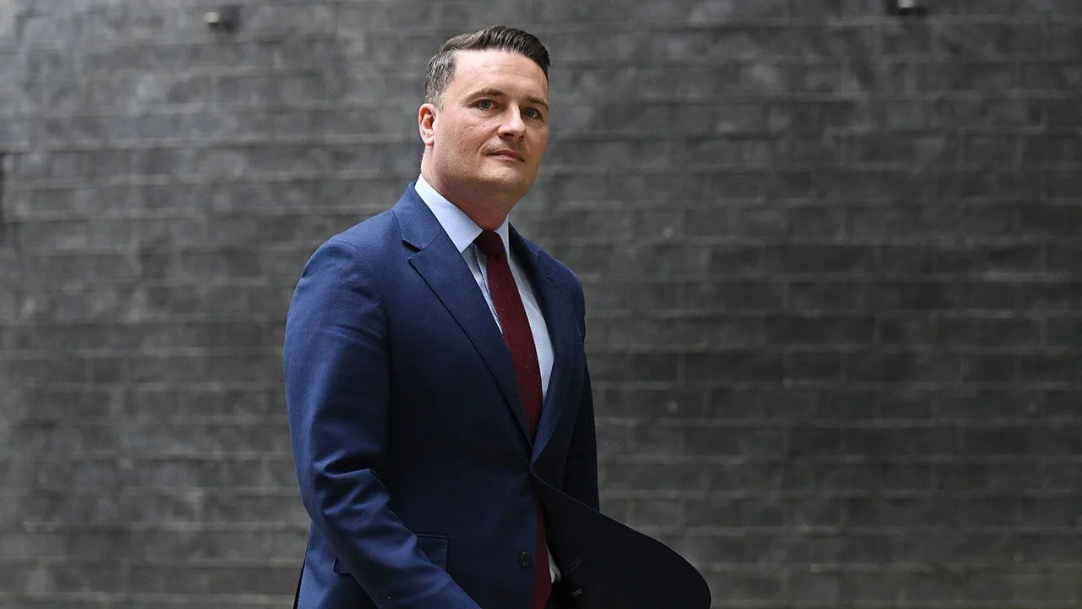
Wes Streeting resigned from his position as Health Minister in Starmer's cabinet in recent hours, which deepened the crisis of the Labour government.
Meanwhile, other names have begun to emerge as potential candidates for Labour leadership. Former Health Minister Wes Streeting announced his departure from the cabinet to be eligible to compete in any potential internal primaries.
The former Deputy Prime Minister Angela Rayner is also mentioned, although none of the potential candidates have formally initiated the process. To run, support from at least 81 MPs, equivalent to 20% of the Labour parliamentary group, is required.
Behind Simons' decision to leave his seat was a private meeting that turned out to be decisive. Burnham visited the MP at his home accompanied by his wife Leah, an American economist and recent mother of their third child. For two hours, they discussed the mayor's economic plan, his governance strategy, and his relationship with financial markets.
Simons, who had long believed that Burnham should become the next Labour leader, announced his resignation just hours after that meeting. Just 25 minutes later, Burnham publicly confirmed his intention to return to Westminster. ''There is a limit to what can be done from Greater Manchester,'' he stated. ''I am now seeking the support of the public to bring the change we have achieved here to the whole of the UK''.
The Member of Parliament for Makerfield, John Simons, met with Andy Brunham.