
The Government of Javier Milei seeks to improve the operational framework of the Argentine nuclear industry and one of the main projects in this process is the multipurpose reactor RA-10.
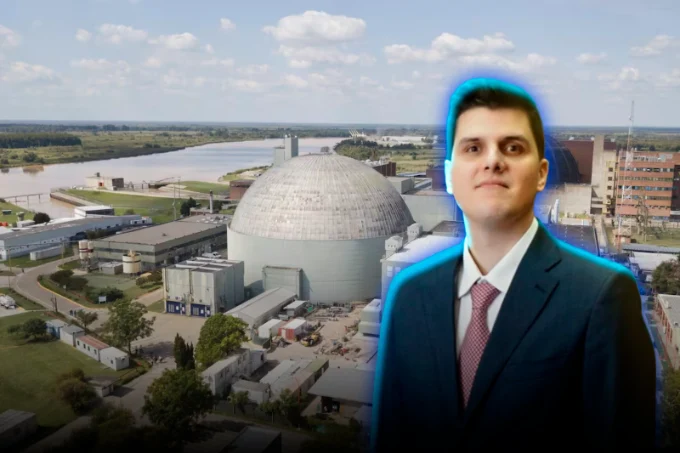
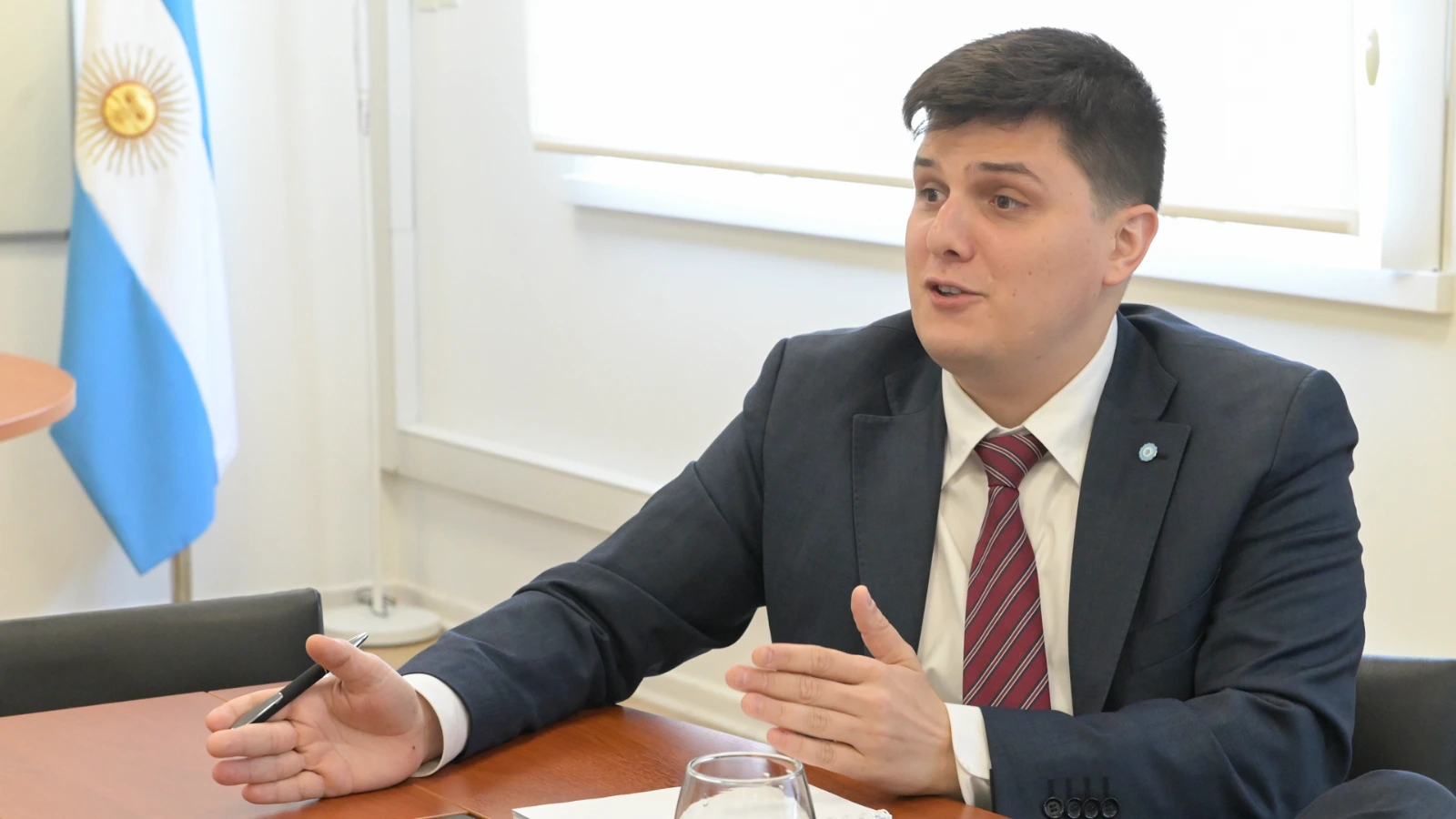
Federico Ramos Napoli, Secretary of Nuclear Affairs of the Nation, explained that the initiative has transitioned from a context of significant delays to being close to completion and detailed a model that includes the involvement of private capital for its commercial exploitation.
As he detailed during a recent interview, when the current administration took office, the pace of execution suggested that the project could extend until 2029, 2030, or even longer. However, following an addendum agreed with INVAP towards the end of 2024, the assembly of the most complex part increased from around 50% to nearly 96% in less than two years.
The RA-10 belongs to the National Atomic Energy Commission (CNEA) and will have various functions that go beyond electricity generation. Ramos Napoli highlighted four main areas: production of radioisotopes, doping of nuclear-grade silicon, testing of materials, and research and development capabilities.
Regarding radioisotopes, he explained that the reactor will significantly increase the production of molybdenum-99 and also produce lutetium-177 and iridium-192. Furthermore, it will allow for testing of materials and fuel elements in Argentina that previously had to be sent abroad for qualification.
The official stated that these capabilities require a different structure than the traditional one within the CNEA. For this reason, the Government is working on the creation of a mixed-capital company, with both state and private participation. “For the activity to grow, you need capital, and that capital can come from a private partner,” he affirmed.